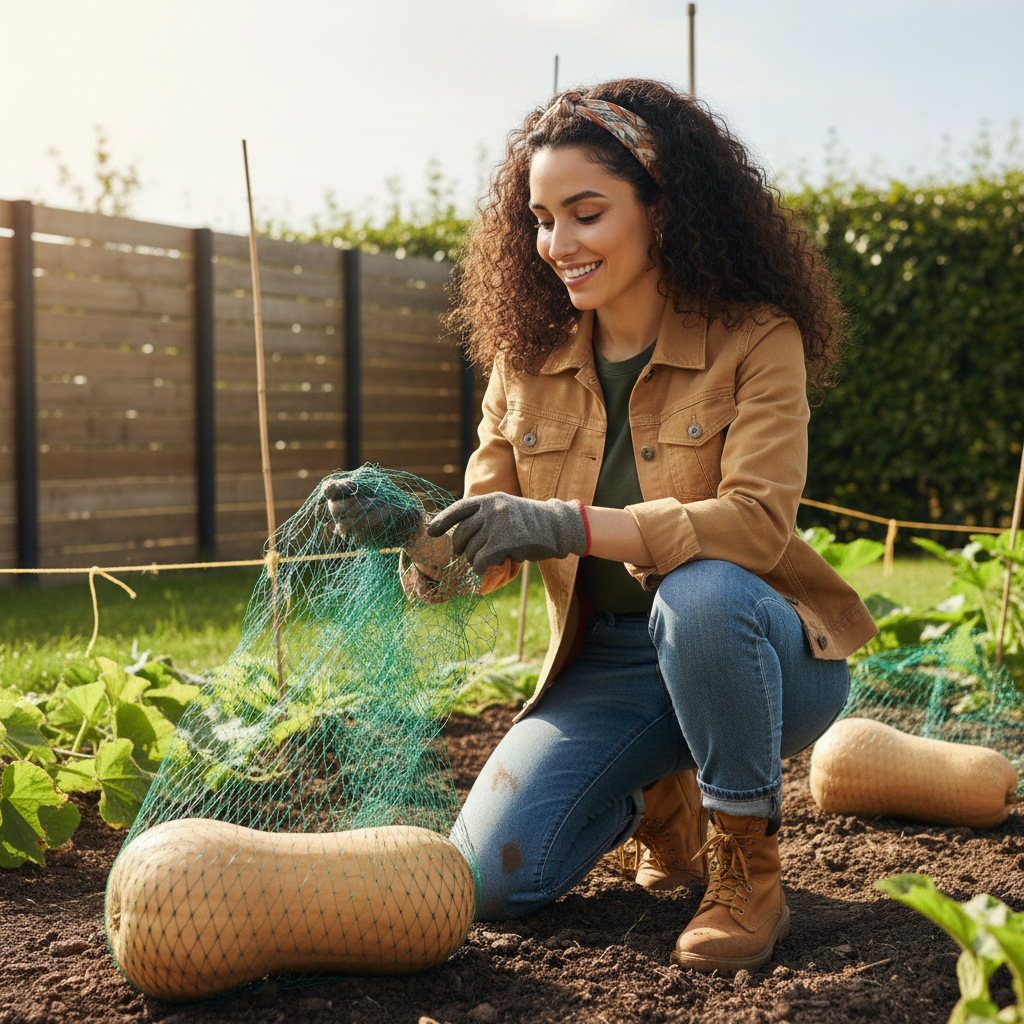
Ah, the butternut squash! That delightful, versatile gourd that brings a taste of autumn to our tables. While it’s undeniably delicious, growing butternut squash can present a unique challenge: those heavy fruits can easily break vines, rot on damp ground, or become a feast for garden pests. The solution? A well-designed net support system! Not only does netting elevate your squash, keeping them clean and dry, but it also improves air circulation, reduces disease risk, and can even save precious ground space in a smaller garden. At HomeReadyHub, we believe in empowering you to grow your best harvest, and supporting your butternut squash is a crucial step towards that goal. Let’s dive into how you can build a robust and effective net support system for your butternut bounty.
Materials Needed
- Sturdy Posts or Stakes: You'll need at least two, preferably four, depending on the size of your growing area. Wood stakes (2x2 or 2x4 lumber), metal T-posts, or even thick bamboo poles work well. Aim for posts that are 6-8 feet tall, allowing for 1-2 feet to be buried in the ground for stability.
- Trellis Netting or Heavy-Duty Garden Netting: Choose a netting with a mesh size large enough for your hand to pass through (around 4-6 inches) to allow for easy harvesting and squash growth. Look for UV-resistant material for durability. Avoid thin, flimsy netting that won't hold the weight of mature squash.
- Strong Garden Twine or Zip Ties: For attaching the netting to the posts securely.
- Measuring Tape: To ensure proper spacing and sizing.
- Shovel or Post-Hole Digger: For installing your posts.
- Hammer or Mallet: If using wooden stakes.
- Wire Cutters or Strong Scissors: For trimming the netting and twine.
- Optional: Rebar or concrete for extra post stability in very windy areas or with extremely heavy harvests.
- Optional: Small, individual fruit slings (made from old t-shirts, pantyhose, or dedicated fruit hammocks) for extra-large squash to provide additional support within the net.
Preparation Steps
Step 1: Choose Your Location and Orientation
Before you even think about digging, select the ideal spot for your butternut squash support. Butternuts love full sun (at least 6-8 hours daily) and well-drained soil. Consider the prevailing wind direction – orient your support system so that it can withstand strong gusts, ideally with the longest side parallel to the wind flow. Think about the space your vines will occupy; while the netting goes up, the vines will still spread horizontally before climbing. Ensure there's adequate space for companion plants or other garden elements without overcrowding.
Step 2: Measure and Mark Your Post Placement
Using your measuring tape, determine the length and width of your desired support structure. For a single row of butternut squash plants, a simple two-post system with netting stretched between them might suffice. For a larger patch or multiple plants, a four-post rectangular or square structure offers more stability and climbing surface. Aim for posts to be 4-8 feet apart, depending on the length of your netting and the number of plants you intend to grow along it. Mark the exact spots where each post will go. This precision will ensure a straight and sturdy structure.
Assembly
Step 3: Install Your Support Posts
This is the foundation of your butternut squash support, so make it solid! Dig holes for your posts that are at least 1-2 feet deep. The deeper you go, the more stable your structure will be. For wooden stakes, drive them firmly into the ground with a hammer or mallet, ensuring they are plumb (straight up and down) using a spirit level if you have one. For T-posts, use a post driver. If you're in an area with very loose soil, high winds, or anticipating an exceptionally heavy harvest, consider pouring a small amount of quick-setting concrete into the post holes around the base of the posts for ultimate stability. Allow concrete to cure fully before proceeding.
Step 4: Attach the Netting
Once your posts are securely in place, it's time to add the netting. Unroll your trellis netting and begin attaching it to one of your end posts. Start at the bottom, about 6-12 inches above the ground to allow for good air circulation at the base of the plants and to prevent the netting from becoming a trip hazard. Use strong garden twine or zip ties to firmly secure the netting to the posts. Make sure the netting is taut but not overly stretched, as it will need to bear the weight of the squash. Work your way up the post, securing the netting at regular intervals (every 6-12 inches). Once you reach the top of the first post, stretch the netting across to the next post, pulling it taut before securing it in the same manner. If you have a multi-post system, continue this process until all posts are covered with netting. For extra strength, you can run additional lines of twine horizontally along the top and bottom edges of the netting, tying them to each post.
Mistakes to Avoid
- Using Flimsy Netting: Thin, lightweight netting designed for peas or beans won't hold the weight of mature butternut squash. Invest in heavy-duty trellis netting.
- Insufficient Post Depth: Posts that aren't deep enough will wobble or fall over under the weight of the squash, especially after a heavy rain or strong wind.
- Loose Netting: Sagging netting provides poor support and can allow squash to fall through or become entangled. Ensure it's taut.
- Placing Netting Too Low: If the netting starts at ground level, it can still lead to squash sitting on damp soil, defeating the purpose of elevation. Leave some clearance.
- Ignoring Plant Training: Don't just expect the squash to climb on its own. Gently guide young vines onto the netting and loosely tie them in place until they start gripping naturally.
- Overcrowding Plants: Too many plants on one support will lead to competition for light and nutrients, and potentially overwhelm your structure. Space your plants appropriately.
Pro Tips
- Train Your Vines Early: As soon as your butternut squash vines start to grow, gently guide them towards the netting. You might need to loosely tie the main stem to the net every few days until the tendrils begin to grip naturally.
- Provide Individual Fruit Support: For particularly large squash varieties or if you notice a heavy squash putting strain on a single vine, create individual slings. Old pantyhose, sections of old t-shirts, or dedicated fruit hammocks can be tied to the netting above the squash, cradling it and distributing its weight.
- Pruning for Production: While butternut squash vines can be extensive, judicious pruning can encourage more fruit. Focus on removing yellowing leaves, non-fruiting lateral branches, and any vine sections that are growing away from your support system.
- Monitor for Pests and Diseases: Elevated squash plants allow for better air circulation, which can reduce fungal diseases. However, continue to regularly inspect your plants for signs of pests or disease, as early detection is key.
- Consider a 'Tipi' Style Support: For a more aesthetic and space-saving option, arrange three or four tall poles in a 'tipi' or pyramid shape, tying them together at the top. Then, wrap your netting around the outside. This creates a visually appealing and sturdy structure.
- Harvesting Made Easy: With your squash elevated, harvesting becomes a breeze! No more bending and searching through dense foliage on the ground. Simply snip the stem when the squash is mature.
- Seasonal Maintenance: At the end of the season, remove the netting and clean it thoroughly. Store it out of direct sunlight to prolong its life for future gardening seasons. Inspect your posts for any damage and make repairs as needed.
Building a net support system for your butternut squash is a rewarding project that pays dividends in healthier plants, cleaner fruit, and a more abundant harvest. By following these steps and incorporating our HomeReadyHub pro tips, you'll be well on your way to enjoying a fantastic crop of homegrown butternut squash, ready for all your culinary creations. Happy gardening!