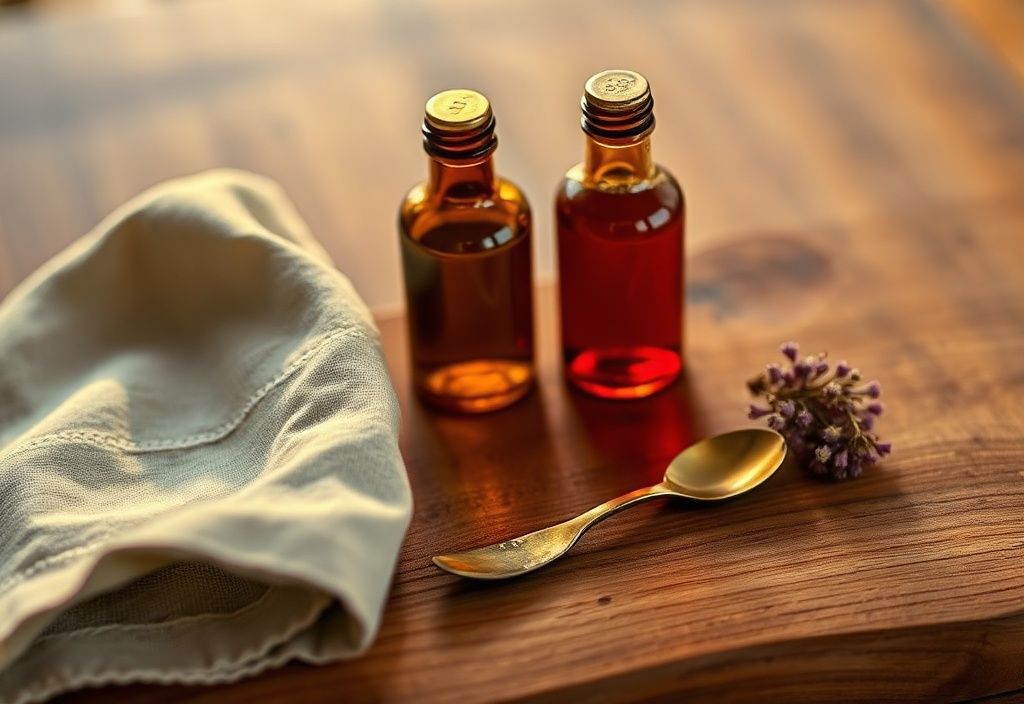
Millepertuis red oil (also known as St. John’s Wort oil) is a powerful herbal remedy with a rich history in traditional medicine. Extracted from the vibrant yellow flowers of the Hypericum perforatum plant, this macerated oil is prized for its anti-inflammatory, healing, and soothing properties. Used topically, it can help ease muscle tension, promote wound healing, and even alleviate mild nerve pain. Best of all, it’s simple to make at home with just a few natural ingredients—no fancy equipment required.
In this guide, we’ll walk you through the entire process, from selecting the right ingredients to storing your finished oil. Whether you're new to herbalism or looking to expand your home remedy collection, this millepertuis red oil recipe will empower you to create a healing, plant-based solution safely and effectively.
Materials needed
- Fresh or dried millepertuis (Hypericum perforatum) flowers – Ideally organic and harvested at peak bloom (June–July). If using fresh, ensure they are dry on the surface.
- Carrier oil – Choose a high-quality, skin-friendly oil like olive oil, sunflower oil, or sweet almond oil. These have excellent stability and nourishing properties.
- Glass jar with lid – A 250–500ml jar works best. Amber or cobalt glass helps protect the oil from light.
- Clean, dry cloth or cheesecloth – For straining the final oil.
- Labels and pen – To date and identify your infusion.
Glass dropper bottle – For storing and applying the finished oil.
Preparation steps
Step 1: Harvest or source your millepertuis
If harvesting your own millepertuis, pick the flowers on a dry, sunny morning when their petals are fully open. Avoid areas near roads or pollution. Gently rinse the flowers if needed and pat dry. Alternatively, source high-quality dried millepertuis flowers from a trusted health food store or herbal supplier.
Step 2: Fill the jar with flowers and oil
Pack the jar loosely with fresh or dried millepertuis flowers. Do not compress—leave space for the oil to circulate. Then, pour your chosen carrier oil over the flowers until they are completely submerged by about 2–3 cm. This ensures even maceration and prevents mold.
Use a clean utensil to gently press down the flowers and release any trapped air bubbles.
Assembly
Step 3: Seal and store for infusion
Secure the lid tightly and label the jar with the date and contents (e.g., “Millepertuis Red Oil – Infusing”). Store the jar in a cool, dark place like a cupboard or pantry. Avoid direct sunlight, which can degrade the oil and reduce potency.
Let the mixture infuse for 4 to 6 weeks. Gently shake the jar every few days to help the oil absorb the plant’s medicinal compounds. You’ll know it’s ready when the oil turns a deep red or ruby color and smells richly herbal.
Step 4: Strain and bottle the oil
Once infused, strain the oil through a clean cloth or cheesecloth into a clean glass bottle or jar. Squeeze out as much oil as possible from the plant material—this is where most of the healing properties are concentrated.
Discard the used flowers (they can be composted). Transfer the liquid to a labeled dropper bottle or airtight container. Store in a cool, dark place. Your millepertuis red oil is now ready for use!
Mistakes to avoid
- Using wet flowers: Fresh flowers must be surface-dry to prevent mold growth during infusion. Pat them gently with a towel if needed.
- Insufficient oil coverage: Always submerge the flowers completely. If any part is exposed to air, it can spoil.
- Infusing in direct sunlight: While sunlight is sometimes used in “folk method” infusions (like solar infusions), full sun can cause overheating and spoil the oil. A cool, dark place is safer for long infusions.
- Skipping the straining step: Leaving plant material in the oil can lead to fermentation and spoilage over time.
- Using low-quality or rancid oil: Always start with fresh, high-quality carrier oil to ensure safety and effectiveness.
Pro tips
- Speed up infusion (optional): For a faster version (2–4 weeks), warm the oil gently in a double boiler (do not boil) before adding the flowers. This increases extraction but may reduce shelf life slightly.
- Boost the potency: Add a few drops of vitamin E oil as a natural preservative to extend shelf life up to 1 year.
- Scent variation: Infuse millepertuis with lavender or calendula for a fragrant, multi-purpose oil blend.
- Storage: Once opened, keep your millepertuis oil in the fridge to maintain freshness for up to 6–12 months.
- Patch test: Before full use, apply a small amount to your inner arm to check for skin sensitivity or allergic reaction.
Making millepertuis red oil at home is a rewarding process that connects you to the healing power of plants. Whether you use it to soothe sore muscles, calm irritated skin, or support emotional balance, this versatile remedy is a valuable addition to any natural wellness toolkit.
Always remember: while millepertuis is generally safe for topical use, it can interact with medications (especially antidepressants) and increase sun sensitivity. Consult a healthcare provider before use if you're pregnant, nursing, or on medication.
Now that you’ve mastered this simple infusion technique, why not try making a batch today? Your skin—and your herbal apothecary—will thank you.