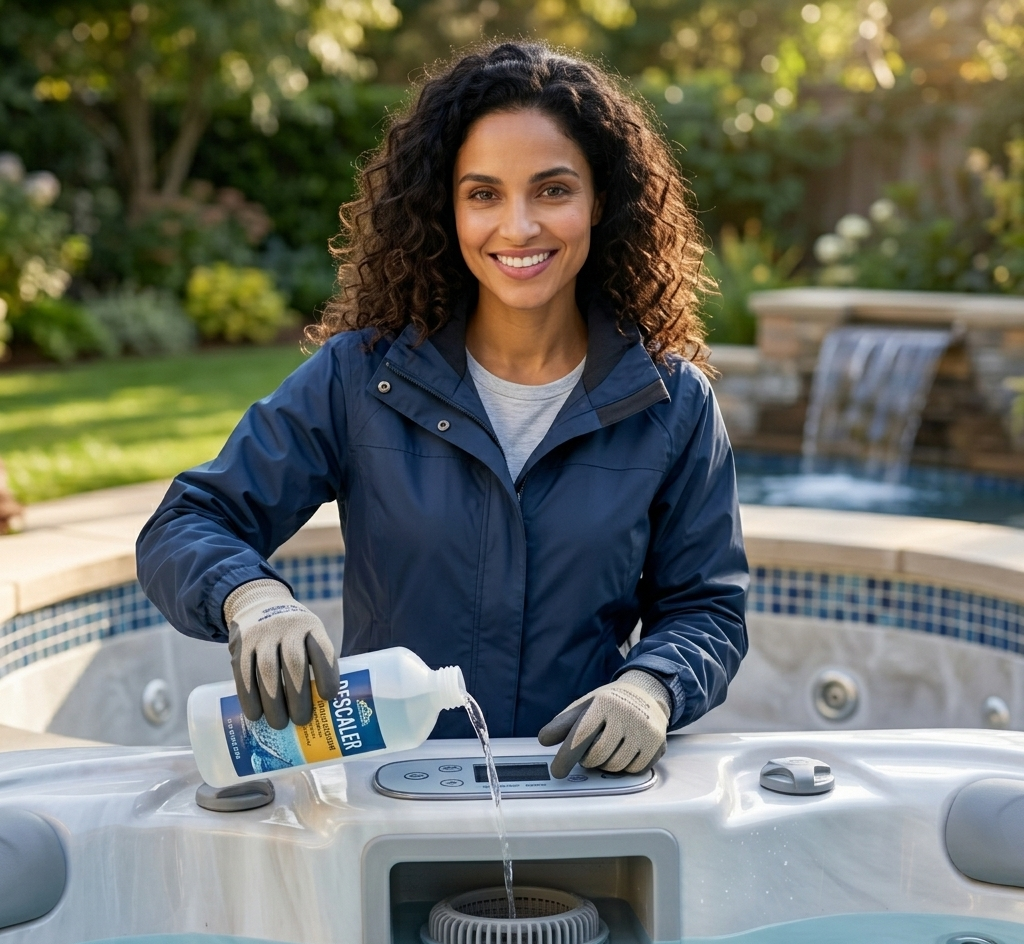
Keeping your spa or hot tub in pristine condition involves more than just regular cleaning and sanitizing. Over time, minerals like calcium and magnesium can accumulate in your water system, forming unsightly limescale deposits on surfaces and equipment. These deposits not only mar the appearance of your spa but can also reduce efficiency and damage components over time. That’s where a high-quality spa and hot tub descaler comes into play.
Using a descaler is an essential part of spa maintenance, helping to dissolve and remove mineral buildup safely and effectively. Whether you're a first-time spa owner or a seasoned enthusiast, this guide will walk you through everything you need to know—from selecting the right products to applying them correctly and avoiding common mistakes. Follow these steps to restore your spa’s performance and extend its lifespan.
Materials Needed
- A high-quality spa or hot tub descaler (ensure it’s safe for acrylic, fiberglass, and plumbing materials)
- Measuring cup or scale
- Soft cloth, sponge, or brush (non-abrasive)
- Fresh spa water (to refill after descaling)
- pH test strips or kitGarden hose
- Replacement spa filter cartridge (recommended for post-descaling maintenance)
- Protective gloves and goggles (for safety)
Preparation Steps
Step 1: Test and Balance the Water
Before applying any descaler, test your spa water using pH test strips or a digital tester. Ideal levels are:
- pH: 7.2 – 7.6
- Alkalinity: 80 – 120 ppm
- Calcium Hardness: 150 – 250 ppm (ideal for most spas)
If your water chemistry is off, adjust it first. High pH or alkalinity can interfere with the descaling process. Balance the water using pH decreaser (for high pH) or pH increaser (for low pH), and adjust alkalinity with sodium bicarbonate or sodium bisulfate as needed. Allow the water to circulate for at least 30 minutes before proceeding.
Step 2: Clean the Spa Thoroughly
Remove any debris, leaves, or foreign objects from the spa cover and water. Vacuum the spa floor and sides using a spa vacuum or a soft brush to eliminate dirt and biofilm. Clean the spa filter cartridge separately using a filter cleaner or warm soapy water, then rinse thoroughly. A clean surface ensures the descaler can work directly on mineral deposits rather than being blocked by dirt or oils.
Drain the spa completely if the water is cloudy or has high mineral content. Refill with fresh water to about halfway, then turn on the jets to circulate the water. This helps prepare the system for the descaling solution.
Assembly
Step 3: Add the Descaler
With the spa filled to the halfway point and jets running, carefully measure the recommended amount of descaler. Most products require 8–16 ounces per 200–300 gallons of water, but always check the label for specific dosage instructions.
Pour the descaler slowly into the water near the intake jets or skimmer to ensure even distribution. Avoid pouring directly onto surfaces to prevent localized over-concentration, which can cause discoloration or damage. Once added, allow the descaler to circulate for the recommended time—typically 15–30 minutes—while the jets run on high.
Step 4: Circulate and Scrub Light Deposits
After the circulation period, inspect the spa’s interior, jets, and plumbing lines for visible limescale. Use a soft cloth, sponge, or non-abrasive brush to gently scrub any remaining deposits. Focus on areas with heavy buildup, such as around the waterline, jet orifices, and heater elements (ensure the heater is turned off during cleaning).
For stubborn deposits, you may need to repeat the descaling process or use a specialized spa-safe cleaning pad. Do not use abrasive tools or household cleaners, as they can scratch surfaces or damage spa components.
Mistakes to Avoid
- Skipping water testing: Unbalanced water can reduce descaler effectiveness or cause cloudiness.
- Using household vinegar or bleach: These are not strong or safe enough for thorough descaling and may damage spa materials.
- Overusing descaler: Excessive amounts can leave residue, affect water balance, or harm seals and gaskets.
- Ignoring the filter: A dirty filter can trap loosened scale and redeposit it into the spa.
- Not draining after heavy buildup: If scale is severe, draining and refilling with fresh water may be necessary before descaling.
- Mixing chemicals: Never mix descaler with other spa chemicals, especially chlorine or bromine, as this can cause dangerous reactions.
Pro Tips
- Descale Regularly: Aim to descale your spa every 1–3 months, depending on water hardness and usage. In areas with very hard water, more frequent descaling may be necessary.
- Use a Water Softener: Adding a water softener to your spa’s intake can reduce future mineral buildup.
- Keep a Maintenance Log: Track water chemistry, cleaning dates, and descaling sessions to identify patterns and improve care routines.
- Inspect Heater and Jets: Regularly check for scale inside the heater and jet lines. If scale blocks the heater, it can overheat and fail.
- Store Descaler Properly: Keep unused descaler in a cool, dry place away from children and pets. Seal the container tightly to prevent evaporation or contamination.
Following these steps will help maintain your spa’s efficiency, appearance, and longevity. Regular descaling prevents costly repairs and ensures a relaxing, crystal-clear soak every time.
By making descaling a part of your regular spa maintenance routine, you protect your investment and enjoy a cleaner, more enjoyable soaking experience. Always refer to your spa manufacturer’s guidelines and the descaler’s instructions for the best results. Happy soaking!