Introduction
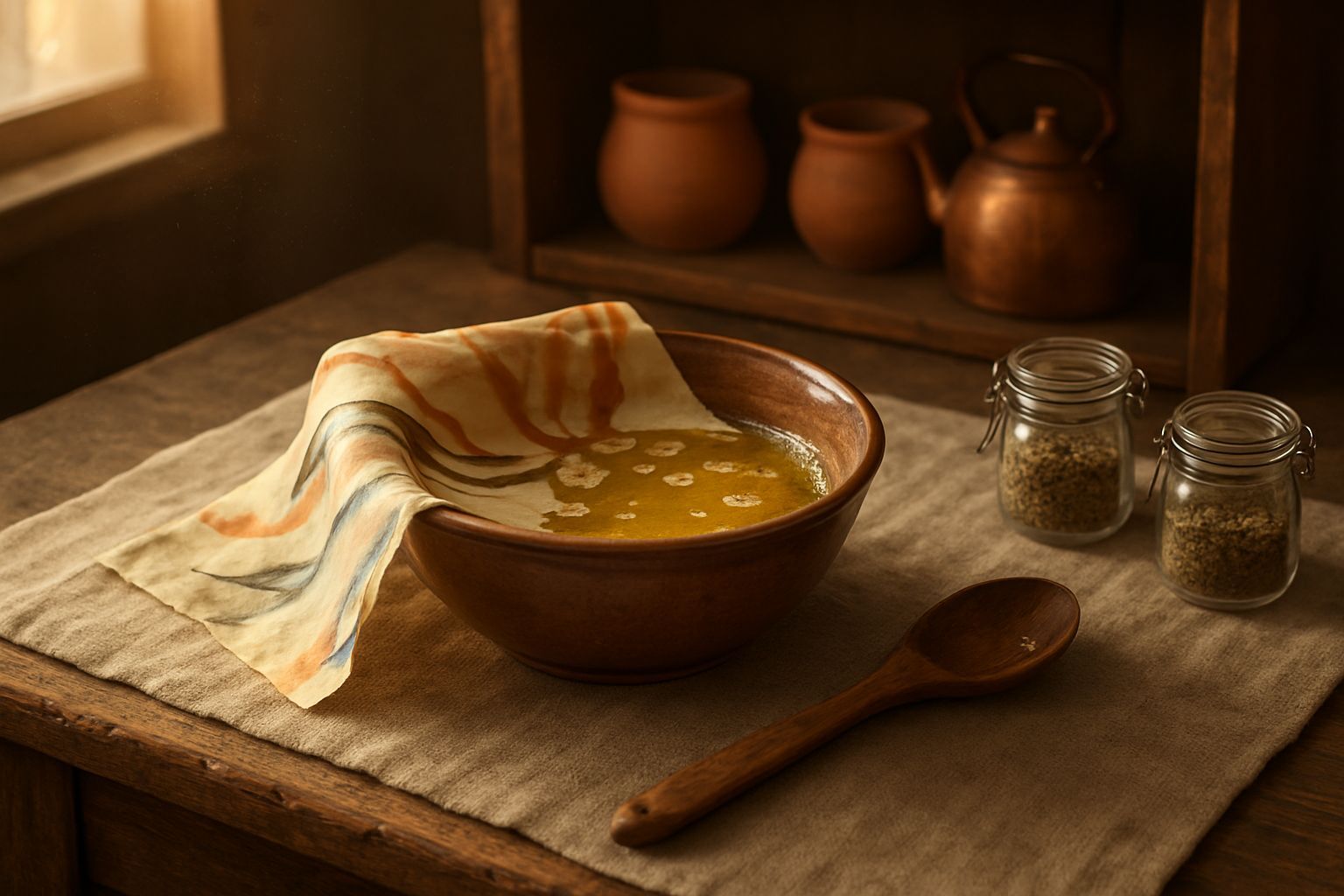
In today's world, reducing waste and embracing sustainable living is more important than ever. One simple yet impactful way to minimize plastic use is by making your own plant-based wax food wraps. These reusable wraps are perfect for covering bowls, wrapping sandwiches, or storing leftovers—all while being kind to the environment. In this tutorial, we'll guide you through the process of creating your own DIY wax food wraps using natural ingredients. Let's get started!
Materials Needed
- 100% cotton fabric (organic or unbleached, cut into squares or rectangles)
- Beeswax pellets (or soy wax as a vegan alternative)
- Jojoba oil or coconut oil (for flexibility)
- Pine resin (optional, for extra stickiness)
- Baking sheet
- Parchment paper
- Oven or microwave (for melting)
- Paintbrush or sponge (for even coating)
Preparation Steps
Step 1: Cut Your Fabric
Start by cutting your cotton fabric into the desired sizes. Common sizes include 10x10 inches for small wraps, 12x12 inches for medium, and 14x14 inches for larger wraps. You can also cut them into rectangles for sandwich wraps. Make sure the fabric is clean and free of any debris before proceeding.
Step 2: Preheat Your Oven
Preheat your oven to 180°F (82°C) or set up a microwave-safe bowl if you prefer melting the wax that way. Low heat is key to prevent burning the wax or fabric.
Assembly
Step 3: Melt the Wax Mixture
Place a piece of parchment paper on your baking sheet. In a microwave-safe bowl, combine 1 cup of beeswax pellets (or soy wax), 1 tablespoon of jojoba oil, and 1 teaspoon of pine resin (if using). Microwave in 30-second intervals, stirring between each, until fully melted. Alternatively, you can use a double boiler on the stove for a more controlled melt.
Step 4: Coat the Fabric
Using a paintbrush or sponge, evenly coat one side of the fabric with the melted wax mixture. Ensure the entire surface is covered, but avoid over-saturating the fabric. Place the coated fabric wax-side up on the parchment-lined baking sheet. Repeat with the remaining fabric pieces.
Mistakes to Avoid
1. Using synthetic fabrics: Only 100% cotton fabric works best for wax wraps. Synthetic fabrics won't absorb the wax properly.
2. Overheating the wax: High heat can cause the wax to burn or become too brittle. Keep the temperature low and controlled.
3. Skipping the oil: Oils like jojoba or coconut oil add flexibility to the wraps. Without them, the wraps may crack over time.
4. Uneven coating: Ensure the wax is spread evenly to avoid weak spots or areas that don't stick well.
Pro Tips
1. Customize your wraps: Use fabric with fun patterns or colors to make your wraps both functional and decorative.
2. Store properly: Keep your wax wraps in a cool, dry place away from direct sunlight to extend their lifespan.
3. Reuse and refresh: Over time, the wax may wear off. You can refresh your wraps by reapplying a thin layer of melted wax.
4. Vegan option: For a completely plant-based wrap, substitute beeswax with soy wax or candelilla wax.
Conclusion
Making your own plant-based wax food wraps is a simple, eco-friendly way to reduce plastic waste in your kitchen. With just a few natural ingredients and some basic tools, you can create reusable wraps that are both practical and sustainable. Plus, they make a great gift for friends and family who are also looking to live a greener lifestyle. Happy crafting, and here's to a more sustainable future!