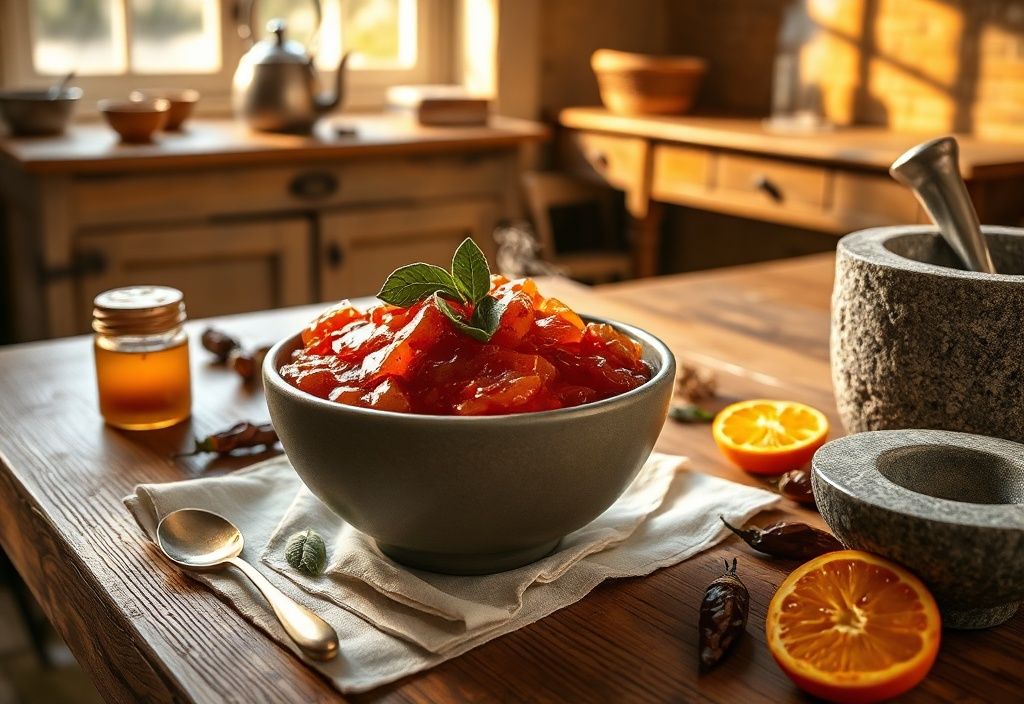
Bitter orange marmalade, or confiture d'oranges amères, is a classic French preserve that balances the sharp bitterness of Seville oranges with the sweetness of sugar. Unlike regular marmalade, this version highlights the unique tartness of bitter oranges, creating a rich, complex spread with a velvety texture. Whether you enjoy it on toast, with cheese, or as a glaze for meats, homemade bitter orange marmalade is a luxurious treat worth mastering.
Materials needed
- 1.5 kg (3.3 lbs) bitter oranges (Seville oranges work best, but you can substitute with a mix of sweet and bitter oranges)
- 2 kg (4.4 lbs) granulated sugar (use preserving sugar for best results)
- 1.5 liters (6.3 cups) water
- 1 lemon (for extra pectin and brightness)
- Pectin (optional, if your oranges lack natural pectin)
- Citric acid (optional, to enhance flavor and preserve color)
- Cheesecloth or a fine-mesh sieve
- Heavy-bottomed preserving pan (or a large stainless steel pot)
- Wooden spoon
- Jam jars (sterilized, with lids)
- Thermometer (for accurate temperature control)
- Funnel
Preparation steps
Step 1: Prepare the oranges
Start by washing the bitter oranges thoroughly under cold water to remove any dirt or wax. Cut each orange into quarters, removing any visible seeds (but keep the pith and peel intact—this is where the pectin and flavor reside). Slice the oranges thinly, about 2–3 mm (1/8 inch) thick, using a sharp knife or mandoline. Place the slices in a large bowl.
If you prefer a smoother marmalade, you can finely chop the slices afterward. For a chunkier texture, leave them as is.
Once sliced, cover the oranges with cold water and let them soak for 12–24 hours. This step is crucial for reducing bitterness and softening the peel. Change the water once or twice during soaking if possible.
Step 2: Cook the oranges
After soaking, drain the oranges and place them in your preserving pan. Add 1.5 liters of fresh water and bring to a gentle boil over medium heat. Reduce the heat and simmer for 1.5–2 hours, or until the orange slices are translucent and the liquid has reduced by about half. Stir occasionally to prevent sticking.
While the oranges cook, zest and juice the lemon. Add the lemon zest and juice to the pot, along with a pinch of citric acid (if using). This will help balance the flavors and act as a natural preservative.
If your oranges are particularly low in pectin, you can add 1–2 tablespoons of powdered pectin at this stage to ensure a good set.
Assembly
Step 3: Add the sugar
Once the oranges are tender, add the sugar to the pot, stirring constantly over low heat until the sugar dissolves completely. This may take 10–15 minutes. Avoid increasing the heat, as this can cause the sugar to caramelize and ruin the marmalade.
Once the sugar is dissolved, increase the heat to medium-high and bring the mixture to a rolling boil. Boil vigorously for 20–30 minutes, stirring frequently to prevent burning. The marmalade is ready when it reaches the setting point—around 105°C (220°F) on a thermometer, or when a spoonful of marmalade wrinkles when pushed on a cold plate.
Step 4: Test and jar
To test the set, place a small amount of marmalade on a chilled plate. Let it cool for a minute, then push it with your finger. If it wrinkles and holds its shape, it’s ready. If not, continue boiling and testing every 5 minutes.
Once set, remove the pot from the heat and skim off any foam that has formed on the surface. Ladle the hot marmalade into sterilized jars, filling them to within 1 cm of the rim. Seal the jars with lids and process in a water bath for 10 minutes to ensure long-term preservation. Alternatively, store in the refrigerator for up to 3 months.
Mistakes to avoid
- Skipping the soaking step: This reduces bitterness and softens the peel. Don’t rush it!
- Using the wrong sugar: Regular sugar can lead to crystallization. Use preserving sugar or fine granulated sugar.
- Boiling too vigorously: This can cause the marmalade to burn or caramelize. Keep the heat moderate.
- Not testing the set: Overcooking can make the marmalade too thick, while undercooking can lead to a runny texture. Always test before jarring.
- Forgetting to sterilize the jars: Contamination can spoil the marmalade. Sterilize jars and lids in boiling water for 10 minutes before use.
Pro tips
- Mix bitter and sweet oranges: If Seville oranges are hard to find, combine them with sweet oranges (like Valencia) for a milder flavor.
- Add spices: For a gourmet twist, infuse the marmalade with a cinnamon stick, a few cloves, or a strip of orange peel during cooking.
- Use the peel creatively: Finely chop some of the cooked peel before adding sugar for added texture.
- Store properly: Keep jars in a cool, dark place for up to a year. Once opened, refrigerate and use within 3 months.
- Experiment with alcohol: A splash of Grand Marnier or Cointreau can deepen the flavor.
Bitter orange marmalade is more than just a breakfast spread—it’s a celebration of citrus’s bold flavors, transformed into a preserve that’s as versatile as it is delicious. Whether you’re a seasoned preserver or a beginner, this recipe offers a rewarding way to enjoy the unique taste of bitter oranges. Pair it with fresh bread, aged cheese, or even grilled meats for a sophisticated touch. Happy preserving!