Introduction
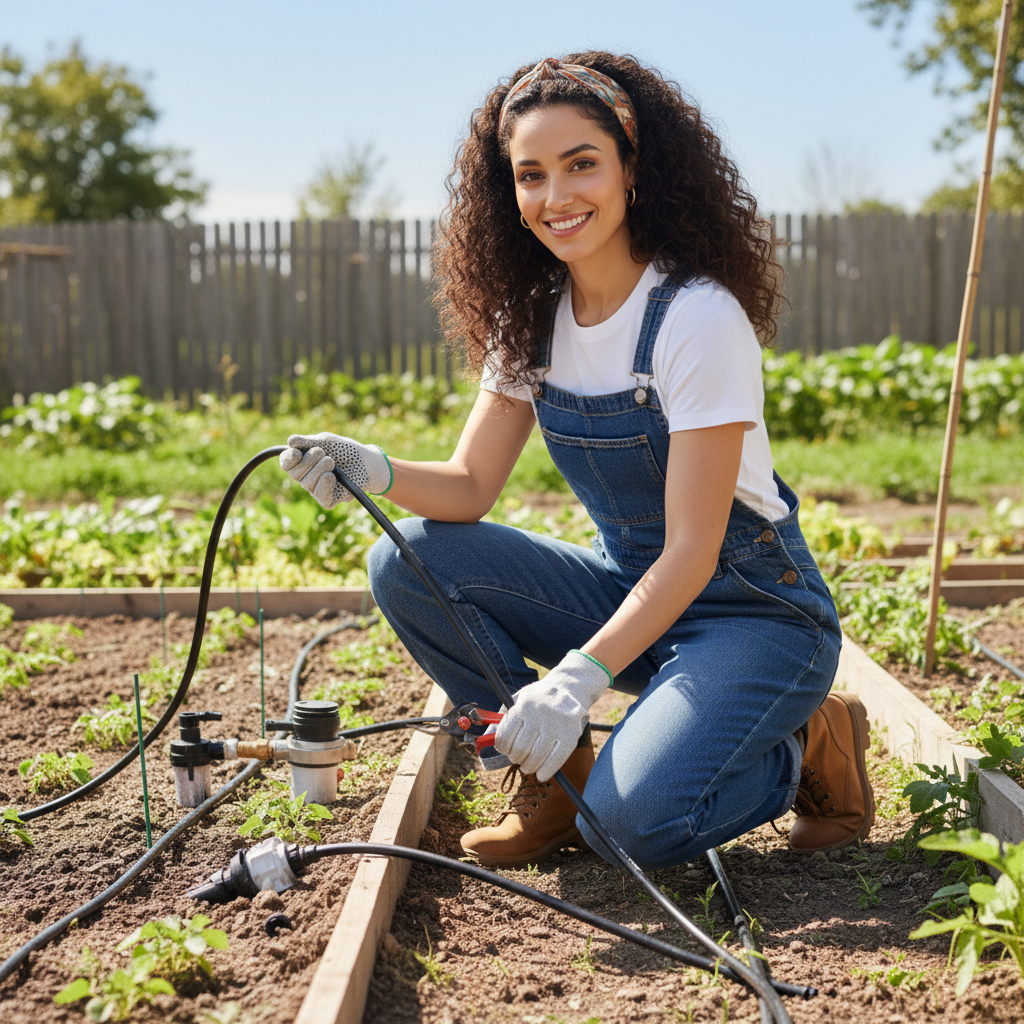
A drip irrigation system is a highly efficient way to water your garden, delivering water directly to the roots of plants while minimizing waste. This method conserves water, reduces weed growth, and ensures your plants receive consistent moisture. Whether you're a beginner or an experienced gardener, setting up a drip irrigation system is a straightforward process that can save you time and effort in the long run.
Materials Needed
- Drip irrigation tubing (mainline and lateral)
- Emitters or drip tape
- Pressure regulator
- Backflow preventer
- Fittings (elbows, tees, couplings)
- Stakes or anchors
- Timer (optional)
- Scissors or tubing cutter
- Hose or water source
Preparation Steps
Step 1: Plan Your Layout
Before purchasing materials, sketch a rough layout of your garden, noting the location of each plant and the water source. Determine the length of tubing needed and the number of emitters required for each plant. Consider the slope of your garden, as this may affect water distribution.
Step 2: Gather and Organize Materials
Once you have your plan, gather all the necessary materials. Ensure you have enough tubing, emitters, and fittings to cover your garden. If you're using a timer, install it near the water source for easy access.
Assembly
Step 3: Connect the Water Source
Start by attaching the backflow preventer to your water source to protect your irrigation system from contamination. Next, connect the pressure regulator to maintain consistent water pressure. Attach the mainline tubing to the regulator, securing it with clamps if necessary.
Step 4: Lay Out the Tubing and Emitters
Lay the mainline tubing along the garden beds, securing it with stakes or anchors. Branch off the mainline with lateral tubing, placing emitters or drip tape near each plant. Ensure the emitters are positioned at the base of the plants to deliver water directly to the roots. Use fittings to connect the tubing and create a network that covers your entire garden.
Mistakes to Avoid
To ensure your drip irrigation system works efficiently, avoid these common mistakes:
- Using low-quality tubing that may leak or clog over time.
- Overlapping emitters, which can lead to water waste and uneven distribution.
- Ignoring the slope of your garden, which can cause water to pool in certain areas.
- Neglecting to flush the system regularly to prevent clogs from debris.
Pro Tips
Here are some expert tips to maximize the effectiveness of your drip irrigation system:
- Use a timer to automate watering and ensure consistent moisture levels.
- Adjust the flow rate of emitters based on the water needs of different plants.
- Mulch around plants to retain moisture and reduce evaporation.
- Monitor the system regularly for leaks or clogs to maintain efficiency.
Conclusion
Installing a drip irrigation system is a smart investment for any gardener looking to save water and time. By following these steps and avoiding common pitfalls, you can create an efficient watering system that keeps your garden thriving. With proper maintenance, your drip irrigation system will provide years of reliable service, making gardening a more enjoyable and sustainable endeavor.