Introduction
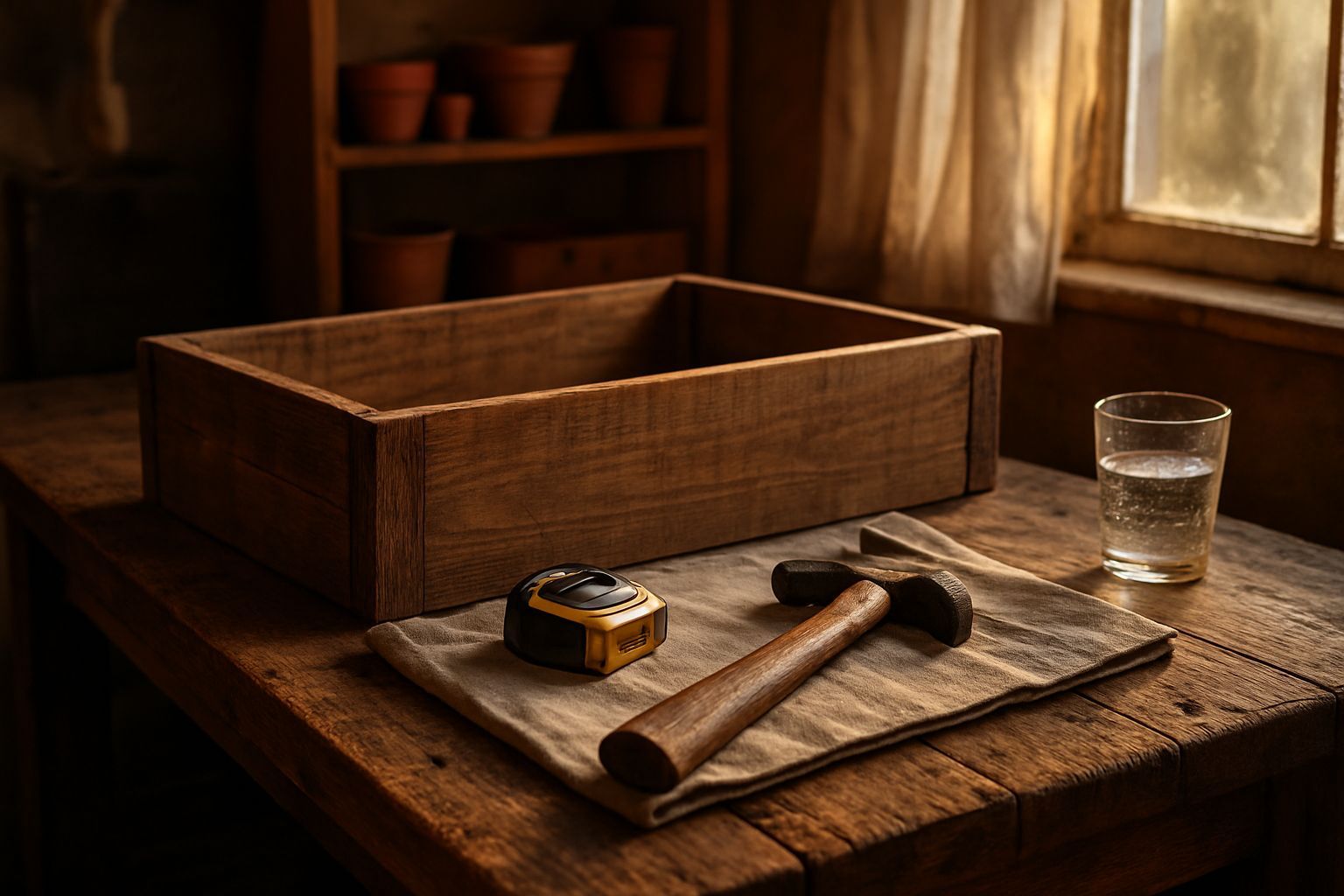
A raised wooden garden bed is a fantastic way to grow vegetables, flowers, and herbs in a controlled environment. It improves drainage, prevents soil compaction, and makes gardening more accessible. Whether you're a beginner or an experienced gardener, building your own raised bed is a rewarding project that can be completed in a weekend. In this guide, we'll walk you through the entire process, from gathering materials to assembling your garden bed.
Materials Needed
- Untreated cedar, redwood, or composite lumber (avoid pressure-treated wood for edibles)
- Galvanized screws or decking screws (3-inch or longer)
- Drill with a screwdriver bit
- Measuring tape
- Level
- Staple gun (optional, for weed barrier)
- Landscape fabric or cardboard (optional, for weed suppression)
- Garden soil or compost
- Corner brackets (optional, for extra stability)
Preparation Steps
Step 1: Choose the Right Location
Select a spot in your yard that gets at least 6-8 hours of sunlight daily. Ensure the area is level and free of large roots or rocks. If you're placing the bed on grass, consider laying down landscape fabric or cardboard to suppress weeds.
Step 2: Measure and Cut the Wood
Decide on the dimensions of your raised bed. A common size is 4 feet wide by 8 feet long, which allows easy access from both sides. Cut your lumber to the desired lengths. For a 4x8-foot bed, you'll need four 4-foot boards and four 8-foot boards.
Assembly
Step 3: Assemble the Frame
Lay two of the 8-foot boards parallel to each other, spaced 4 feet apart. Place the 4-foot boards at each end to create a rectangular frame. Use a level to ensure the frame is even. Pre-drill holes in the corners to prevent the wood from splitting, then secure the boards together with galvanized screws. Repeat for the second layer if you're building a double-height bed.
Step 4: Add Corner Brackets (Optional)
For added stability, attach corner brackets to each joint. This is especially useful if you're using composite lumber, which can expand and contract with temperature changes.
Mistakes to Avoid
1. Using pressure-treated wood for edible plants (it may contain harmful chemicals).
2. Skipping the leveling step (an uneven bed can lead to poor drainage).
3. Overcrowding plants (follow spacing guidelines for optimal growth).
4. Forgetting to pre-drill holes (this can cause the wood to split).
Pro Tips
1. Line the bottom with cardboard or landscape fabric to suppress weeds and retain moisture.
2. Fill the bed with a mix of topsoil, compost, and aged manure for nutrient-rich soil.
3. Consider adding a trellis or support for climbing plants like beans or cucumbers.
4. Paint or stain the wood to extend its lifespan (use non-toxic, garden-safe products).
Conclusion
Building a raised wooden garden bed is a simple and rewarding project that can enhance your gardening experience. With the right materials and a little effort, you'll have a beautiful, functional garden bed in no time. Happy gardening!