Introduction
Materials Needed
- Wooden pallets or untreated wood planks
- Bamboo canes or hollow stems
- Dry leaves, pinecones, and twigs
- Straw or hay
- Cardboard tubes (toilet paper rolls)
- Mortar or strong adhesive
- Nails or screws
- Hammer or drill
- Paint (optional, for decoration)
Preparation Steps
Step 1: Choose Your Location
Select a quiet, sheltered spot in your garden, preferably near plants or trees where insects are likely to visit. Ensure the area is protected from strong winds and direct sunlight.
Step 2: Gather and Prepare Materials
Collect natural materials like bamboo canes, pinecones, and dry leaves. Cut the wooden pallets or planks into manageable sizes if needed. Ensure all materials are dry to prevent mold growth.
Assembly
Step 3: Create Compartments
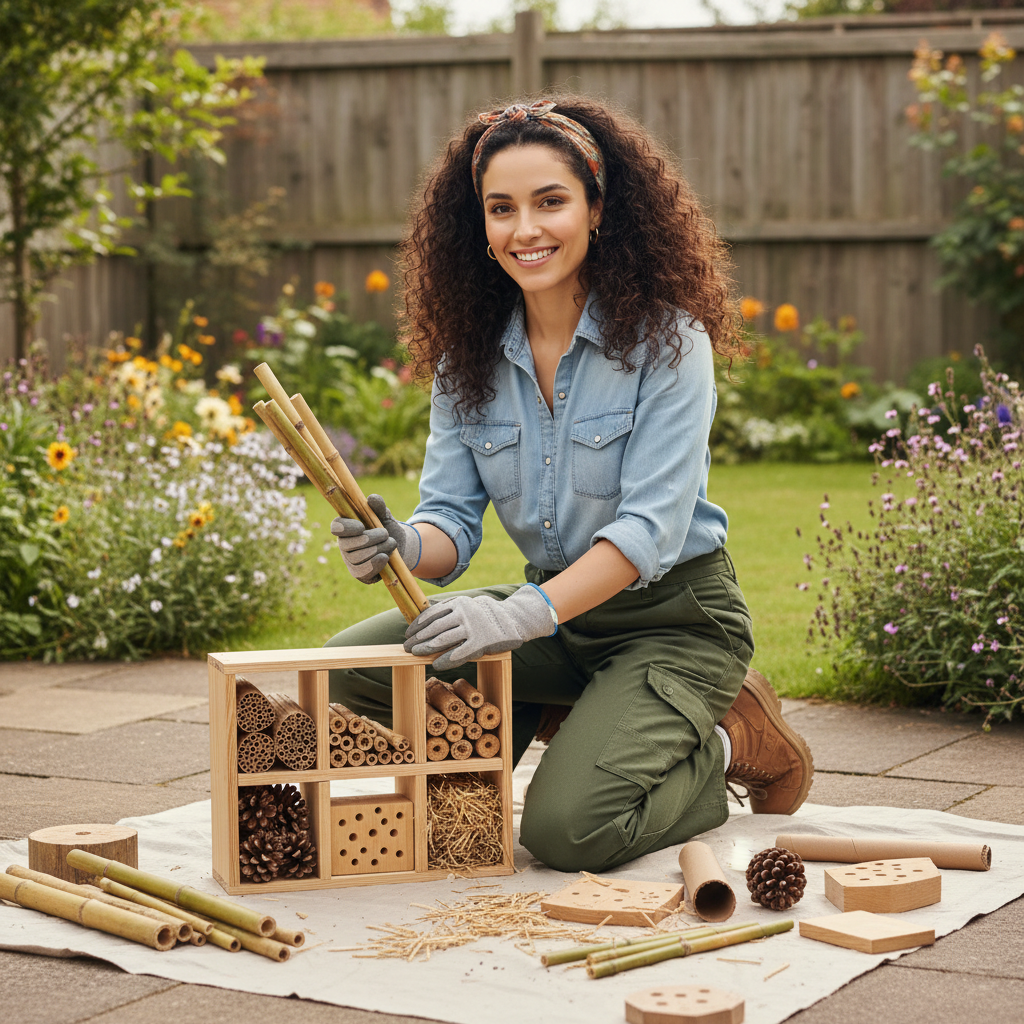
Arrange your wooden planks or pallets to form a sturdy frame. Use nails or screws to secure them together. Leave gaps between the planks to create compartments of different sizes. Fill each compartment with different materials:
- Bamboo canes or hollow stems for solitary bees
- Dry leaves and pinecones for ladybugs and lacewings
- Straw or hay for spiders and beetles
- Cardboard tubes for earwigs and other small insects
Step 4: Secure and Decorate
Use mortar or adhesive to secure loose materials in place. If desired, paint the exterior of the insect hotel with non-toxic, water-based paint to blend it into your garden decor.
Mistakes to Avoid
Do not use treated wood or chemicals, as they can harm insects. Avoid placing the hotel in direct sunlight or wet areas, which can cause materials to rot. Ensure the compartments are not too tightly packed, as insects need space to move.
Pro Tips
- Add a sloped roof to protect the hotel from rain.
- Include a small water source nearby for thirsty insects.
- Check the hotel periodically to remove any debris or pests.
- Place the hotel at least 1 meter off the ground to deter predators.
Conclusion
Building a multi-compartment insect hotel is a rewarding project that supports local biodiversity. By providing a safe habitat for beneficial insects, you’ll enhance your garden’s health and enjoy observing nature up close. Happy crafting!