Introduction
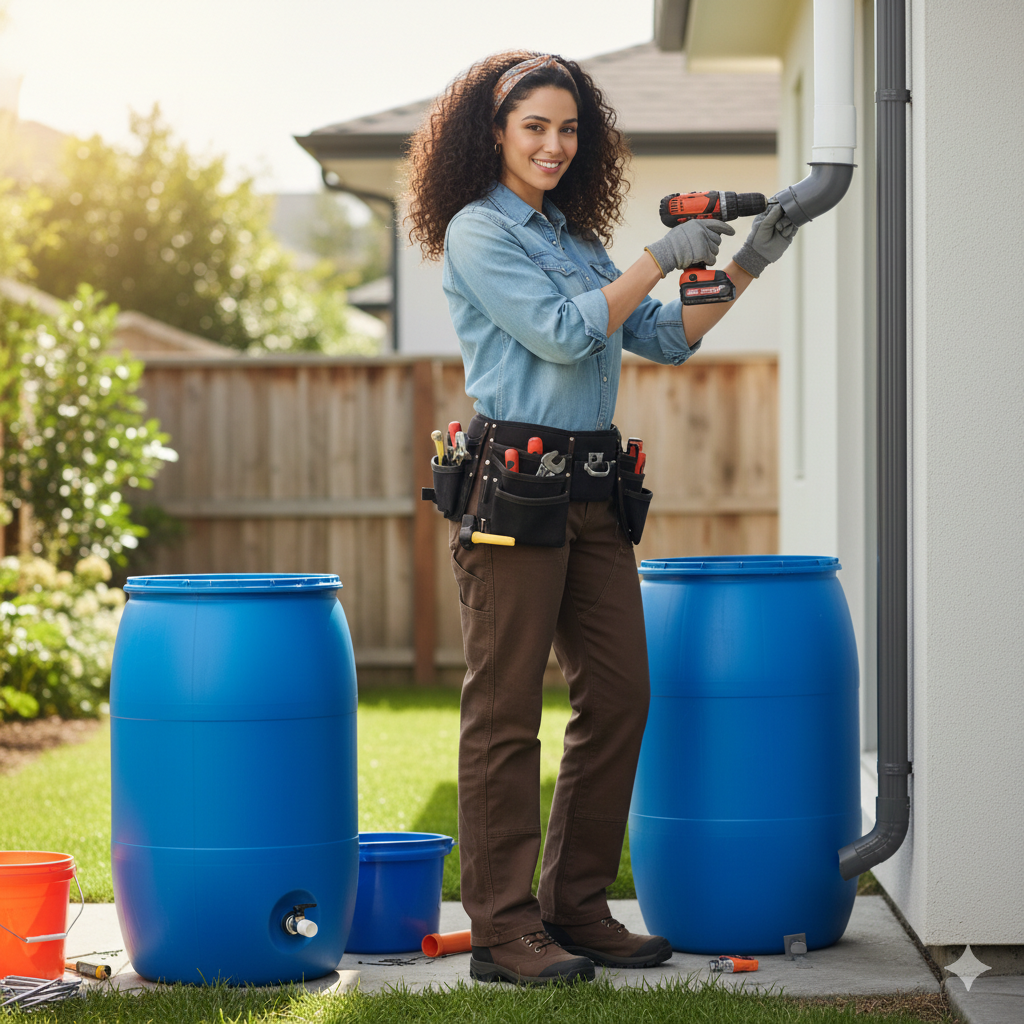
Harvesting rainwater is an eco-friendly way to reduce water bills, conserve resources, and keep your garden thriving. A DIY rain barrel water collector is a simple and cost-effective solution that anyone can build. Whether you're a seasoned DIYer or a beginner, this guide will walk you through the process of creating your own rain barrel system.
Materials Needed
- A large plastic barrel (50-100 gallons)
- A downspout diverter or gutter connection kit
- A screen or mesh to filter debris
- Overflow valve or hose
- Spigot or faucet
- Drill and drill bits
- Sealant or waterproof tape
- Level
- Pebbles or bricks (for elevation)
Preparation Steps
Step 1: Choose the Right Location
Select a flat, stable spot near a downspout where the rain barrel will be easily accessible. Ensure the area is level to prevent tipping. Elevate the barrel slightly using pebbles or bricks to create a gentle slope for water flow.
Step 2: Prepare the Barrel
Clean the barrel thoroughly to remove any dirt or debris. If the barrel previously held chemicals, avoid using it for water collection. Drill holes near the top for the overflow valve and the downspout connection. Seal all edges with waterproof tape or sealant to prevent leaks.
Assembly
Step 3: Install the Downspout Diverter
Attach the downspout diverter or gutter connection kit to your existing gutter system. Follow the manufacturer's instructions to ensure a secure fit. Position the diverter so that it directs water into the rain barrel.
Step 4: Add the Spigot and Overflow
Install the spigot near the bottom of the barrel for easy water access. Attach the overflow hose to the overflow valve, directing excess water away from your home's foundation. Cover the top of the barrel with a mesh screen to keep out leaves and insects.
Mistakes to Avoid
Avoid common pitfalls like using a barrel that isn't food-grade or hasn't been properly cleaned. Ensure the barrel is stable and level to prevent tipping. Neglecting to install an overflow valve can lead to water damage, so always include one in your design.
Pro Tips
To maximize efficiency, paint the barrel a dark color to absorb heat and prevent algae growth. Add a mosquito dun to the top to keep pests out. Consider connecting multiple barrels for larger water storage capacity.
Conclusion
Building a DIY rain barrel water collector is a rewarding project that benefits both your garden and the environment. With the right materials and a little effort, you can create a sustainable water source for years to come. Start harvesting rainwater today and enjoy the savings and satisfaction of a job well done!