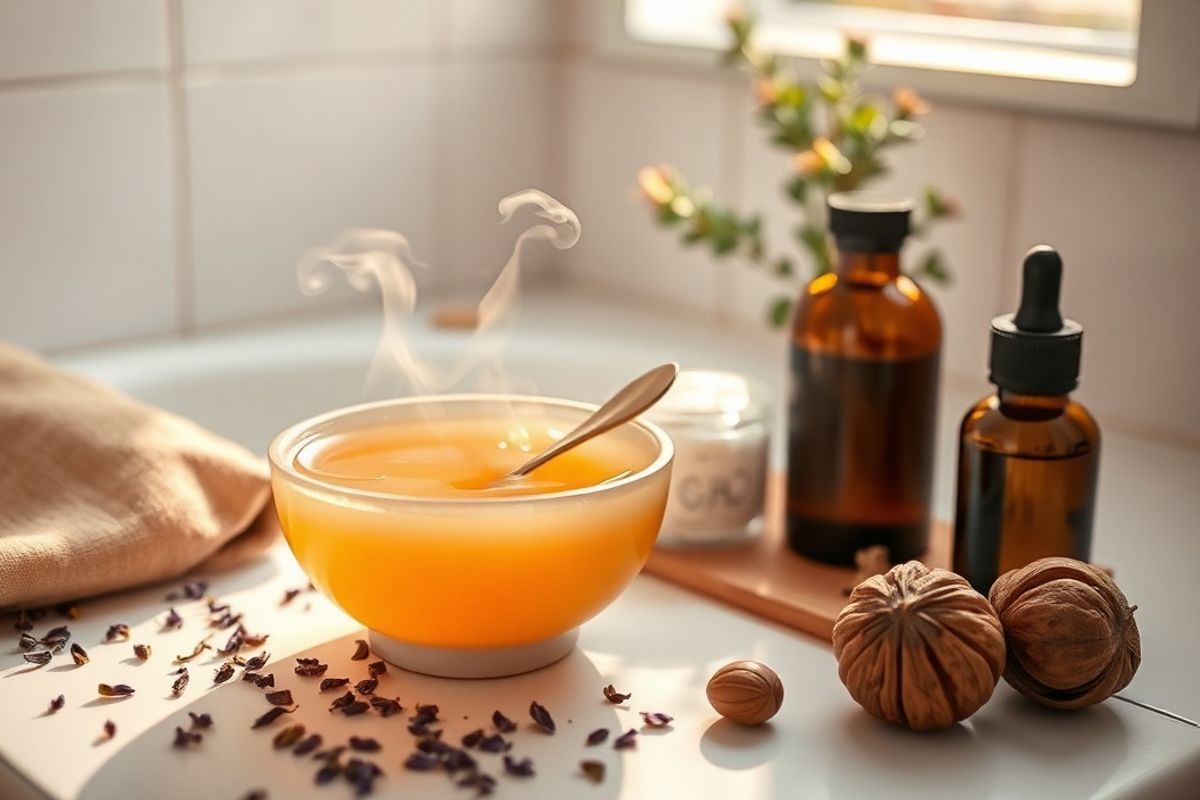
As temperatures drop, many people experience increased joint stiffness, especially in the hands, knees, and shoulders. This phenomenon, often linked to arthritis, fibromyalgia, or simply the body’s reaction to cold, can disrupt daily activities and reduce mobility. While warm clothing and heating pads offer temporary comfort, specialized gel applications provide deeper, more targeted relief by improving circulation and reducing inflammation.
In this tutorial, we’ll guide you through the process of using gel applications to relieve joint stiffness during cold weather. You’ll learn about the materials you need, step-by-step preparation, and expert tips to enhance effectiveness. Whether you're dealing with chronic joint discomfort or seasonal stiffness, this method can help you regain comfort and flexibility.
Materials Needed
- Anti-inflammatory gel or cream – Look for products containing menthol, camphor, or nonsteroidal anti-inflammatory drugs (NSAIDs) like diclofenac or ibuprofen. These ingredients help reduce pain and swelling.
- Warm towel or heating pad – Apply heat before applying the gel to open up the pores and improve absorption.
- Clean cloth or gauze – Use this to gently apply the gel and remove excess residue.
- Plastic wrap or occlusive dressing (optional) – Helps retain heat and enhance absorption of the gel.
- Rubber gloves (for hand application) – Useful when applying gel to smaller joints like fingers or wrists to avoid direct contact.
- Moisturizing lotion or oil (optional) – Apply after rinsing off the gel to prevent dryness, especially in cold weather.
Preparation Steps
Step 1: Choose the Right Gel
Select a gel formulation designed for joint and muscle pain. Popular active ingredients include:
- Menthol or camphor – Creates a warming sensation that increases blood flow.
- Diclofenac (NSAID) – Reduces inflammation and pain at the source.
- Arnica or turmeric – Natural anti-inflammatory agents used in herbal gels.
Read the label to ensure it’s safe for your skin type and any existing conditions. If you have sensitive skin or allergies, do a patch test on your inner arm before full application.
Step 2: Prep Your Skin and Joints
Warm the affected area to increase circulation and prepare the skin for better gel absorption.
- Fill a basin with warm (not hot) water and soak the stiff joint for 5–10 minutes. For knees or shoulders, a warm shower works well.
- Alternatively, apply a heating pad or warm towel to the area for 5–10 minutes. Avoid direct heat on inflamed or swollen joints.
- Gently dry the skin with a clean towel — moisture helps the gel spread but excess water can dilute it.
Assembly
Step 3: Apply the Gel
Clean hands are essential to prevent introducing bacteria to sensitive joints.
- Wash your hands with mild soap and warm water.
- Squeeze a small amount of gel (about the size of a pea) onto your fingertip or a gauze pad.
- Apply the gel in a thin layer over the stiff joint using gentle, circular motions. Avoid rubbing too hard — the goal is to spread, not massage aggressively.
- Cover the entire joint area, extending slightly beyond if needed.
- For hard-to-reach areas like shoulders, ask a family member to help or use a long-handled applicator.
Step 4: Enhance Absorption and Retain Heat
To maximize the gel’s effectiveness, trap heat and moisture.
- Cover the gel with a warm, damp towel or wrap it gently with plastic wrap. This creates a mild greenhouse effect, helping the gel penetrate deeper.
- Leave the application on for at least 15–20 minutes. You can wear a loose glove (for hands) or wrap a scarf around the joint to keep it in place.
- After the time is up, gently wipe off any excess gel with a clean, damp cloth. Avoid harsh scrubbing.
- Do not rinse with water immediately — let the skin absorb residual gel for a few more minutes before washing.
Mistakes to Avoid
- Applying gel to broken or irritated skin – This can cause stinging or allergic reactions. Always apply to intact skin.
- Using too much gel – A little goes a long way. Over-application can lead to residue buildup and doesn’t improve results.
- Skipping the warm-up step – Cold skin doesn’t absorb gel well. Warmth is key for efficacy.
- Covering with tight bandages – While heat helps, overly tight wraps can restrict blood flow. Keep it snug but not constricting.
- Ignoring allergies or sensitivities – Always check the ingredient list and do a patch test if you’re unsure.
Pro Tips
For Maximum Relief:
- Combine with gentle movement – After removing the gel, perform slow, gentle range-of-motion exercises (e.g., wrist circles, knee bends) to maintain flexibility.
- Repeat 2–3 times daily – Especially during peak cold spells or flare-ups. Consistency is key for long-term joint health.
- Stay hydrated – Drinking water helps lubricate joints from within and supports cartilage health.
- Use before bed – Applying gel before sleep allows the active ingredients to work overnight. Combine with a warm bath for added benefit.
- Keep a gel in your bag – Sudden stiffness can strike anywhere. A travel-size tube ensures you’re always prepared.
- Pair with oral supplements – Consider omega-3 fatty acids, glucosamine, or turmeric capsules to support joint health from the inside out.
When to See a Doctor
While gel applications are safe for most people, consult a healthcare provider if:
- Stiffness persists despite regular use.
- Joints are swollen, red, or warm to the touch (signs of infection or severe inflammation).
- You experience numbness, tingling, or sharp pain.
- You have a history of skin reactions to topical medications.
Persistent joint stiffness may signal underlying conditions like osteoarthritis or rheumatoid arthritis, which require medical attention.
Joint stiffness in cold weather doesn’t have to control your life. With the right gel application technique, you can reduce discomfort, improve mobility, and stay active all season long. By preparing your skin, applying the gel correctly, and following pro tips for consistency, you’ll support long-term joint health and enjoy winter with greater ease.
Always choose high-quality, dermatologist-recommended gels and listen to your body. Stay warm, stay active, and give your joints the care they deserve — even when the temperature drops.