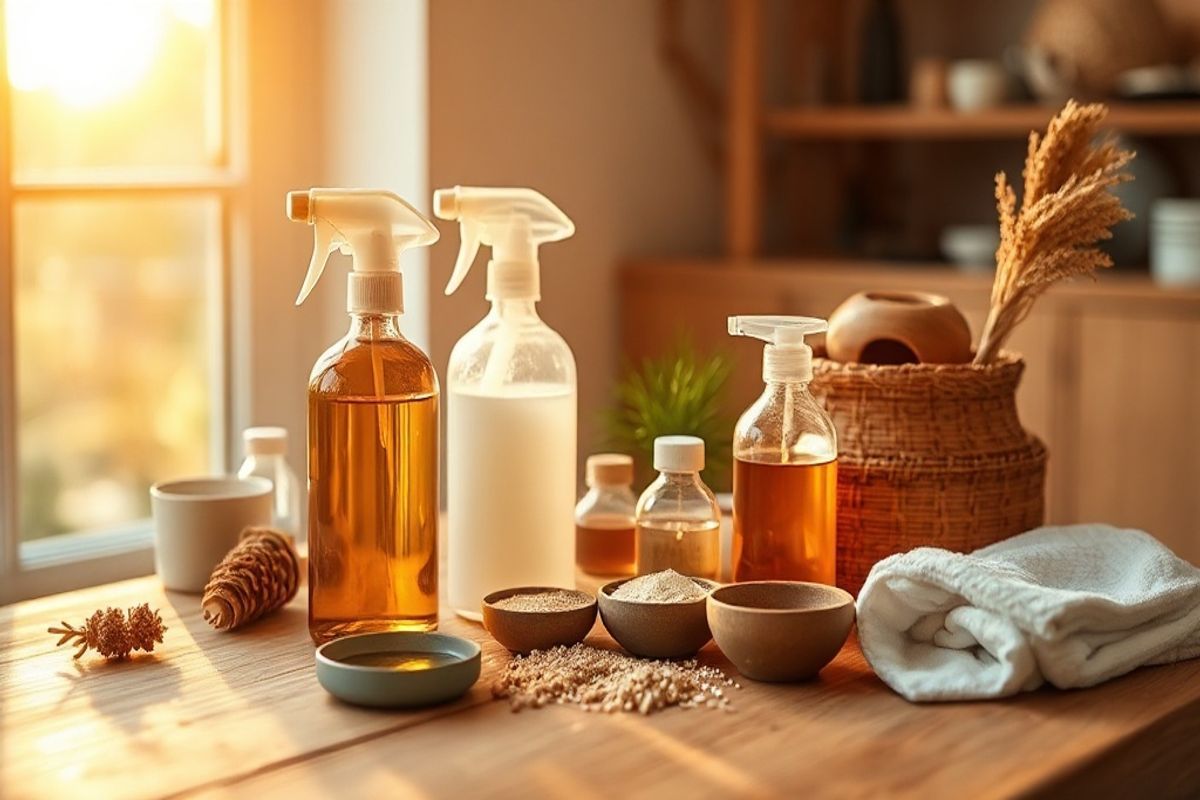
Welcome back to HomeReadyHub, where we empower you to create a cleaner, healthier, and happier home! Today, we're tackling one of the most essential items in your cleaning arsenal: the daily multi-surface spray. Instead of reaching for those expensive, chemical-laden bottles from the store, we're going to show you how to whip up your own incredibly effective, eco-friendly, and budget-friendly solution right in your own kitchen. This DIY cleaning spray is perfect for everyday spills, wiping down countertops, tackling dusty surfaces, and leaving your home sparkling clean without harsh fumes or residues. Get ready to embrace a simpler, greener way to clean!
Materials Needed
- 16 oz (approximately 470ml) spray bottle (glass is preferred for essential oils, but plastic is fine)
- 1 cup distilled water (or filtered water)
- 1/2 cup white vinegar
- 1/4 cup rubbing alcohol (70% isopropyl alcohol) - optional, but great for disinfecting and streak-free shine
- 1 teaspoon liquid castile soap (unscented or a gentle scent like lavender)
- 10-20 drops essential oils (optional, for scent and added cleaning power – see Pro Tips for suggestions)
- Funnel (optional, but helpful for pouring)
- Measuring cups and spoons
Preparation Steps
Step 1: Gather Your Supplies and Clean Your Bottle
Before you begin mixing, ensure you have all your ingredients and tools readily available. If you're reusing a spray bottle, give it a good rinse with warm water and a little soap, then thoroughly rinse again to remove any previous cleaning product residue. This prevents unwanted chemical reactions and ensures your new spray is as effective as possible. If using a new bottle, a quick rinse is still a good idea.
Step 2: Measure Your Liquids Accurately
Precision is key for a balanced and effective cleaning solution. Using your measuring cups, carefully measure out 1 cup of distilled water, 1/2 cup of white vinegar, and 1/4 cup of rubbing alcohol (if using). Distilled water is recommended as it helps prevent mineral buildup and streaks, especially in hard water areas. While tap water can be used, it might leave behind mineral deposits over time.
Assembly
Step 3: Combine Ingredients in the Spray Bottle
Using your funnel (if you have one, it minimizes spills!), carefully pour the measured distilled water into your clean spray bottle. Next, add the white vinegar, followed by the rubbing alcohol. Finally, add the 1 teaspoon of liquid castile soap. The castile soap acts as a gentle surfactant, helping to lift dirt and grime, while the vinegar and alcohol work as natural disinfectants and degreasers. Avoid adding essential oils directly to the bottle without the castile soap first, as the oils won't disperse properly in water alone.
Step 4: Add Essential Oils and Shake Well
Now for the optional, but highly recommended, step of adding essential oils. Carefully add 10-20 drops of your chosen essential oils to the mixture. Once all ingredients are in the bottle, securely attach the spray top. Give the bottle a good, vigorous shake for about 30 seconds to ensure all the ingredients are thoroughly combined and the essential oils are well dispersed. You'll want to give it a quick shake before each use as well, as the oils can separate slightly over time.
Mistakes to Avoid
- Using Bleach with Vinegar: NEVER mix bleach with vinegar (or any acid). This creates chlorine gas, which is highly toxic and dangerous. Our recipe is bleach-free, but always be mindful of chemical interactions.
- Adding Essential Oils Directly to Water: Essential oils are not water-soluble. Without a dispersant like castile soap, they will simply float on top of the water, making them less effective and potentially leaving oily residues.
- Using on Unsuitable Surfaces: While this spray is multi-surface, avoid using it on unsealed porous surfaces like granite, marble, or unsealed wood, as the vinegar can etch or damage them over time. Always test in an inconspicuous area first.
- Skipping the Shake: Ingredients, especially essential oils, can separate. A quick shake before each use ensures an even distribution of your cleaning power.
- Using Too Much Castile Soap: A little castile soap goes a long way. Too much can leave a soapy residue or streaks on surfaces. Stick to the recommended amount.
Pro Tips
- Essential Oil Power-Ups:
- Lemon: Excellent degreaser, refreshing scent.
- Tea Tree Oil: Powerful antiseptic and antifungal properties, great for bathrooms.
- Lavender: Calming scent, mild antibacterial properties.
- Peppermint: Invigorating, can deter pests.
- Eucalyptus: Good for purifying and invigorating.
- Orange: Uplifting and good for cutting through grease.
- Label Your Bottle: Always label your homemade cleaning products clearly with the contents and date. This helps you remember what's inside and when you made it.
- Shelf Life: This DIY cleaning spray generally lasts for several weeks to a few months. If you notice any changes in scent or appearance, it's best to make a fresh batch. Using distilled water helps extend its shelf life.
- Test First: Even with natural cleaners, it's always wise to test the spray on an inconspicuous area of any new surface you plan to clean, especially delicate or expensive materials.
- Microfiber Advantage: Pair your homemade spray with a good quality microfiber cloth for streak-free cleaning and optimal dirt pickup.
- Adjust for Needs: For tougher grease, you can slightly increase the amount of castile soap (up to 2 teaspoons). For more disinfecting power, ensure you're using rubbing alcohol and consider essential oils like tea tree.
There you have it! A simple, effective, and eco-conscious daily multi-surface cleaning spray that will leave your home smelling fresh and looking spotless. By making your own, you're not only saving money but also reducing your exposure to harsh chemicals and contributing to a healthier planet. Get ready to enjoy the satisfaction of a clean home, made sparkling clean by your own two hands. Happy cleaning from HomeReadyHub!