Introduction
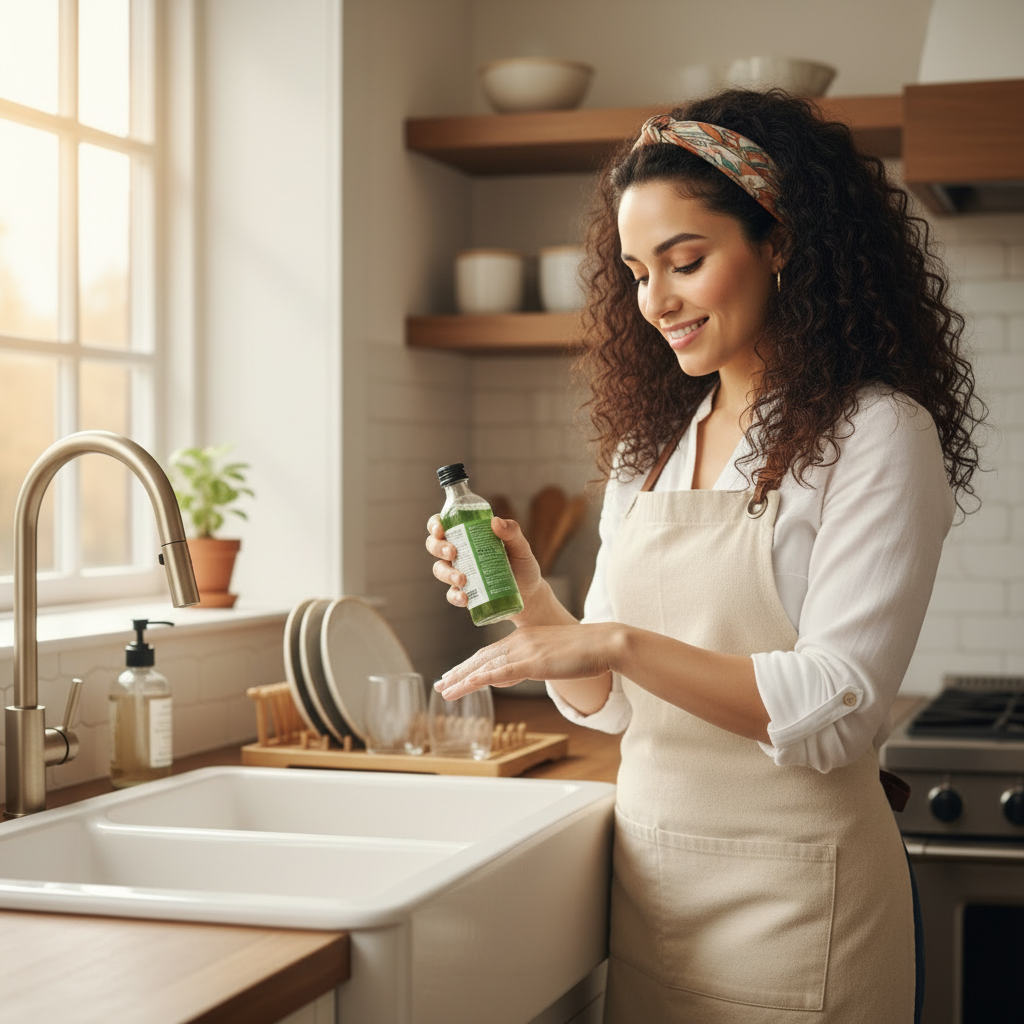
If you have cracked, dry, or irritated hands, choosing the right dish soap is essential. Many commercial dish soaps contain harsh chemicals that can worsen skin damage, leading to discomfort and further irritation. In this guide, we’ll help you select a gentle yet effective dish soap for damaged hands and provide tips on how to use it properly to promote healing.
Materials Needed
- A mild, fragrance-free dish soap
- Warm water
- Soft sponge or dishcloth
- Moisturizing hand cream or ointment
- Cotton gloves (optional)
Preparation Steps
Step 1: Choose the Right Dish Soap
Not all dish soaps are created equal. For damaged hands, look for a product that is:
- Fragrance-free
- Dye-free
- Hypoallergenic
- Enriched with moisturizing ingredients like aloe vera, glycerin, or shea butter
Popular gentle dish soaps include Seventh Generation Free & Clear, Ecover Zero, and Mrs. Meyer’s Free & Clear.
Step 2: Prepare Your Hands
Before washing dishes, apply a thick layer of petroleum jelly or a heavy-duty hand cream to your hands. This creates a protective barrier against harsh soaps and hot water. If your hands are severely damaged, consider wearing cotton gloves underneath rubber gloves for extra protection.
Assembly
Step 3: Wash Dishes Gently
When washing dishes, use lukewarm water (not hot) to avoid further drying out your skin. Apply a small amount of dish soap to a soft sponge or dishcloth and gently scrub dishes. Avoid excessive scrubbing, as this can irritate damaged skin.
Step 4: Rinse and Dry Thoroughly
Rinse your hands under cool water to remove all soap residue. Pat them dry with a clean towel—don’t rub, as this can cause further irritation. Immediately apply a moisturizing hand cream or ointment to lock in hydration.
Mistakes to Avoid
To prevent further damage to your hands, avoid:
- Using hot water, which strips natural oils from the skin
- Scrubbing aggressively, which can worsen cracks and irritation
- Leaving soap residue on your hands, as it can dry out the skin
- Skipping moisturizer after washing dishes
Pro Tips
For extra protection and healing, try these tips:
- Wear rubber gloves whenever possible to minimize direct contact with soap and water
- Use a dishwashing brush instead of your hands when possible
- Apply a thick layer of ointment (like Vaseline or CeraVe Healing Ointment) before bed to repair skin overnight
- Consider using a dishwasher to reduce hand exposure to harsh soaps and hot water
Conclusion
Choosing the right dish soap and following proper hand care techniques can make a big difference in healing damaged hands. By selecting a gentle, moisturizing soap and taking extra precautions while washing dishes, you can keep your hands clean, protected, and healthy. If your hands remain severely irritated, consult a dermatologist for personalized advice.