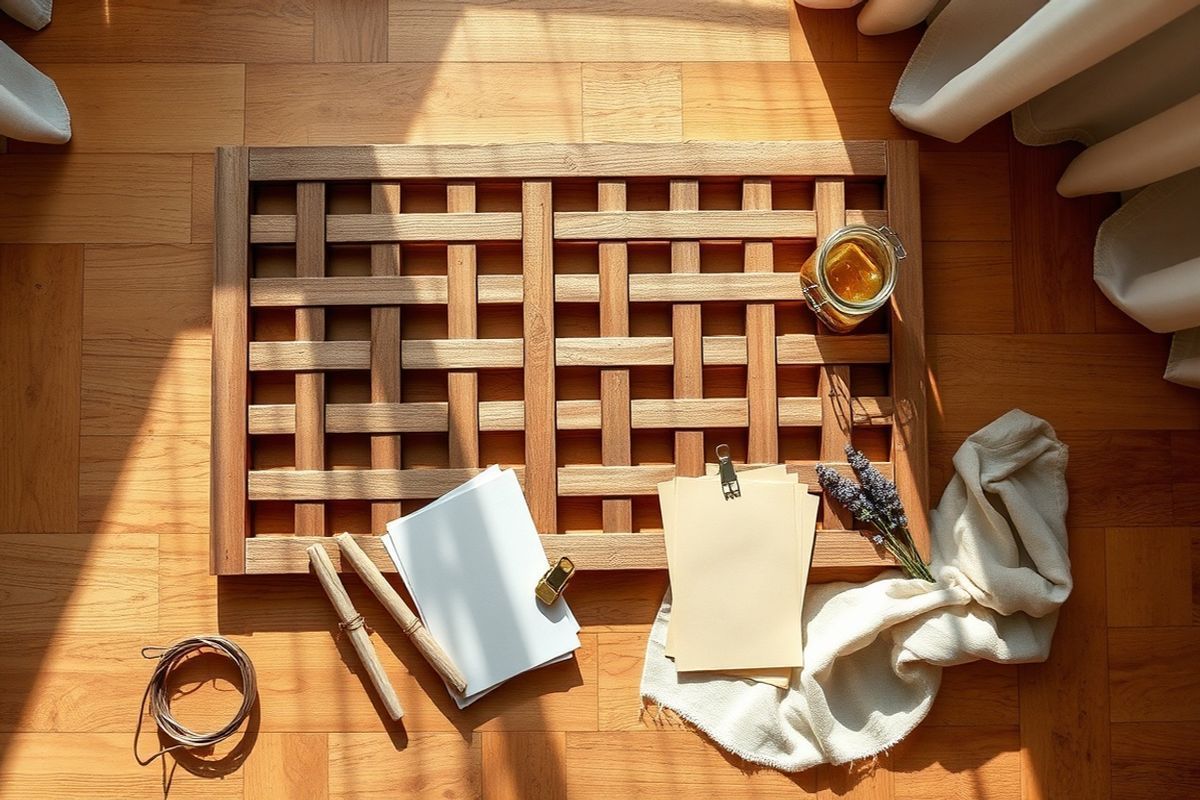
Hello, fellow home improvers and garden enthusiasts! Sara here from HomeReadyHub, and I'm thrilled to guide you through a project that will add both charm and structure to your outdoor space: a beautiful painted wood diamond lattice trellis. Whether you’re looking to support a climbing rose, a fragrant jasmine, or simply add a touch of architectural interest to a blank wall, a custom-built trellis is a wonderfully rewarding DIY endeavor. It’s a fantastic way to personalize your garden, enhance curb appeal, and provide the perfect framework for your vining plants to flourish. Forget flimsy, off-the-shelf options; we’re going to build a sturdy, stylish, and durable trellis that perfectly complements your home’s aesthetic. Ready to get your hands dirty and unleash your inner craftsman? Let's dive in!
Materials Needed
Before we begin, gathering all your tools and materials is crucial for a smooth and efficient build. Don't skimp on quality, especially for outdoor projects, as durability is key. Here's a comprehensive list of what you'll need:
- Wood for Frame: Pressure-treated lumber, cedar, or redwood (e.g., 1x2s or 1x3s for uprights and cross-members). Choose wood rated for outdoor use to resist rot and insects.
- Wood for Lattice: Thinner strips of the same type of wood (e.g., 1/2-inch x 1-inch or 1/4-inch x 1-inch). You can buy these pre-cut or rip them from larger boards.
- Exterior Wood Glue: Waterproof, specifically designed for outdoor applications.
- Galvanized or Stainless Steel Screws: 1 1/4-inch to 1 1/2-inch (for frame) and smaller 3/4-inch to 1-inch screws or brads (for lattice). Ensure they are corrosion-resistant.
- Exterior Wood Primer: High-quality, designed to seal the wood and promote paint adhesion.
- Exterior Paint: Your chosen color, suitable for outdoor use. Acrylic latex paints are generally a good choice.
- Tape Measure: For precise measurements.
- Pencil: For marking cuts and layout.
- Miter Saw or Circular Saw: For accurate straight and angled cuts.
- Drill/Driver: With appropriate drill bits for pilot holes and driver bits for screws.
- Sandpaper or Orbital Sander: Various grits (e.g., 80-grit, 120-grit, 220-grit) for smoothing wood.
- Paint Brushes and/or Roller: For primer and paint application.
- Clamps: Essential for holding pieces securely during assembly and gluing.
- Woodworking Square or Speed Square: To ensure your frame is perfectly square.
- Safety Glasses and Gloves: Always prioritize personal safety.
- Sawhorses: To provide a stable working surface.
Preparation Steps
Step 1: Planning Your Trellis and Calculating Dimensions
The first and most crucial step is to meticulously plan your trellis. Consider where it will go and what plants it will support. Do you need a freestanding structure, one against a wall, or a panel for a fence? Determine your desired height and width. A common trellis size might be 6 feet tall by 3 feet wide, but customize it to your space. Sketch out your design, including the main frame and how you envision the diamond lattice pattern. For a classic diamond pattern, the lattice strips are typically spaced to create squares, which then appear as diamonds when the trellis is oriented vertically. A good starting point for lattice spacing is 4-6 inches between parallel strips. This will dictate how many lattice strips you'll need and their lengths. Remember to account for the thickness of your frame members when calculating the internal dimensions for your lattice.
Step 2: Cutting, Sanding, and Priming Your Wood
With your plan in hand, it's time to cut your wood. Using your miter or circular saw, carefully cut all the frame pieces (two uprights, two top/bottom cross-members, and any intermediate cross-members) to your determined lengths. Next, cut your lattice strips. While the strips themselves are straight, their diagonal arrangement within the frame creates the diamond pattern. Cut them to length, allowing for a slight overhang that you can trim later. Once all your pieces are cut, thoroughly sand every surface and edge. Start with a coarser grit (like 80 or 120) to remove any rough spots or mill marks, then finish with a finer grit (180 or 220) for a smooth finish. This not only makes the trellis look professional but also ensures better paint adhesion. After sanding, wipe down all pieces to remove dust, then apply a coat of exterior wood primer to all surfaces. Priming now, before assembly, makes it much easier to cover all sides of the lattice strips.
Assembly
Step 3: Assembling the Trellis Frame
Now that your wood is prepped and primed, let's build the backbone of your trellis. Lay out your frame pieces on a flat, level surface, such as sawhorses. Apply a generous bead of exterior wood glue to the ends of your top and bottom cross-members where they meet the uprights. Clamp the corners firmly to ensure a tight joint. Pre-drill pilot holes to prevent the wood from splitting, then drive two galvanized or stainless steel screws through the uprights into the ends of the cross-members at each corner. Use your woodworking square to check that each corner is perfectly square before the glue sets. For larger trellises, you might want to add a horizontal cross-member in the middle for extra stability. Repeat the gluing, clamping, pre-drilling, and screwing process for any additional frame components.
Step 4: Creating the Diamond Lattice Pattern
With your frame assembled and sturdy, it's time for the signature diamond lattice. Start by laying your first set of lattice strips diagonally across the frame. You'll want to ensure a consistent angle (typically 45 degrees relative to the frame's edges) and even spacing between the strips. A simple jig or marked template can help immensely here. Apply a small amount of exterior wood glue to the ends of each strip where it meets the frame, and secure it with a small galvanized screw or brad. Once you have your first set of parallel diagonal strips in place, begin laying the second set of lattice strips, crossing over the first set to form the diamond pattern. Apply a small dab of exterior wood glue at each intersection point where the strips cross, and secure them with small brads or staples. Be careful not to use screws that are too long and might protrude. Trim any overhanging lattice ends flush with the frame using a fine-tooth saw or utility knife. Once the glue has dried, give the entire assembled trellis a final light sanding to prepare for paint.
Mistakes to Avoid
- Neglecting Exterior-Grade Materials: Using interior wood, glue, or fasteners will lead to premature rot, rust, and structural failure when exposed to the elements.
- Skipping Sanding and Priming: Poor surface preparation results in uneven paint application, peeling, and reduced durability. Primer is essential for adhesion and protection.
- Inconsistent Lattice Spacing: Eyeballing the spacing often leads to an uneven, unprofessional look. Measure carefully or create a simple spacer block.
- Not Ensuring Squareness: A crooked frame will be noticeable and can make the entire trellis unstable. Always check with a square during assembly.
- Over-Tightening Screws: Especially with thinner lattice strips, over-tightening can strip the wood or cause cracking. Pre-drilling helps prevent this.
- Ignoring Drainage: If your trellis will be in contact with the ground, ensure the bottom frame member is elevated slightly or has proper drainage to prevent water accumulation and rot.
Pro Tips
- Pre-Drill Everything: Seriously, pre-drilling pilot holes for every screw prevents splitting, especially in harder woods or near edges, and ensures screws drive in straight.
- Paint Before Final Assembly: While we primed before, consider painting the individual lattice strips and frame components their final color *before* the final lattice assembly. This ensures full coverage, especially at intersections, and makes painting much easier than trying to get into tight corners after assembly.
- Use a Jig for Lattice Spacing: Cut a small block of wood to your desired lattice spacing. Use this block as a guide when laying out your strips to ensure perfect, consistent diamonds.
- Add Decorative Elements: Consider adding finials to the top of your uprights or routing a decorative edge to your top frame member for an extra touch of elegance.
- Secure Properly: If attaching to a wall, use appropriate anchors and standoffs to allow for airflow behind the trellis. If freestanding, ensure posts are securely anchored in the ground or in heavy planters.
- Consider a Modular Design: For very large areas, building several smaller trellises that can be joined together offers more flexibility and makes the project more manageable.
And there you have it! Your very own custom-built, painted wood diamond lattice trellis. Isn't it satisfying to create something beautiful and functional with your own hands? This project not only enhances your garden's aesthetic but also provides a sturdy home for your beloved climbing plants. Step back and admire your handiwork, knowing you’ve added a lasting piece of charm to your outdoor living space. Don't forget to share your finished trellis with us at HomeReadyHub – we love seeing your successful DIY projects! Happy gardening and building!