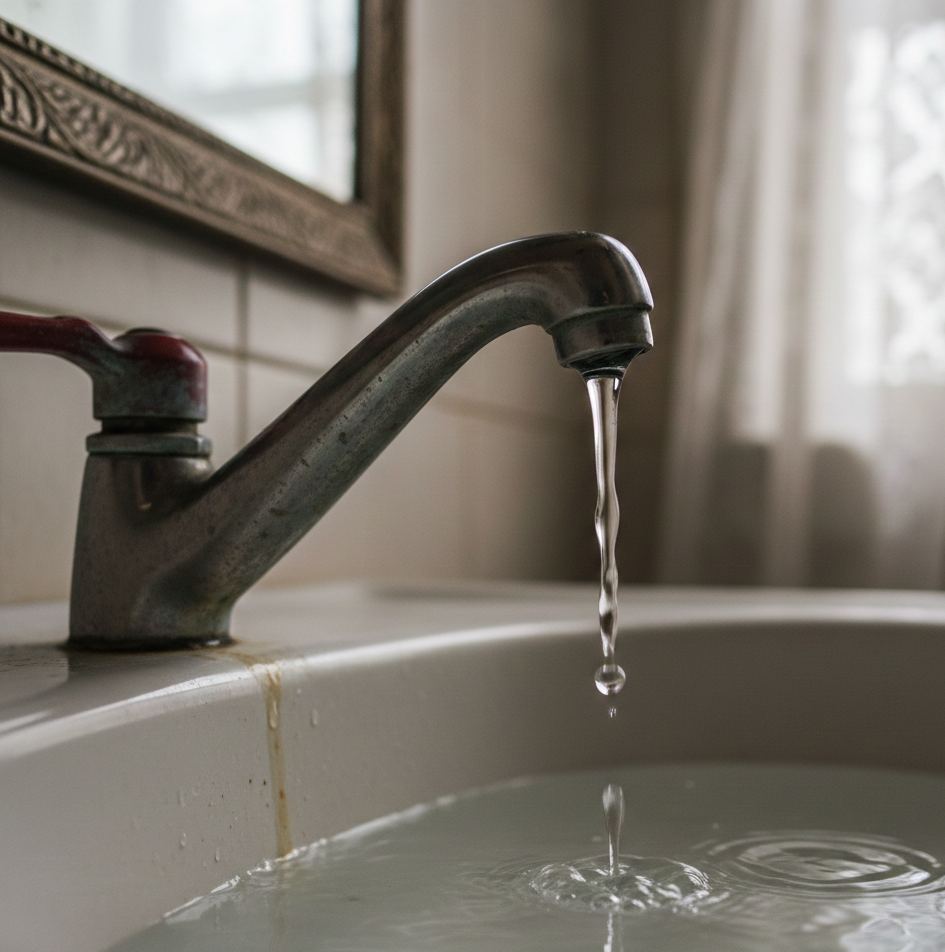
No stress, it's easier than you think
Honestly, a leaky faucet is annoying, but fixing it is usually super quick. You don't need to be a pro—just grab a few basic tools and a little patience, and you can fix it in 5 minutes. Trust me, it's a game changer.
The tools you'll need
You don't need a ton of stuff to fix a leaky faucet. Here's what you'll want:
- A wrench
- A screwdriver (flathead or Phillips, depending on the model)
- A faucet washer (if that's the issue)
- Teflon tape (optional but helpful)
- A clean rag
Honestly, you probably already have all this in your toolbox. If you don't have a washer, no big deal—you can grab one at the hardware store for a few bucks.
Step 1: Turn off the water
Before you touch anything, shut off the water supply. You'll usually find a shutoff valve under the sink or near the main meter. Turn it counterclockwise to cut the water. If you're unsure, just shut off the main valve. No stress, it's just a precaution.
Step 2: Find the leak
Now, open the faucet to drain any remaining water and figure out where the leak is coming from. It's usually a worn-out or misplaced washer. Sometimes it's just a loose connection. Trust me, take a second to check before you start.
Step 3: Disassemble the faucet
Use your wrench to loosen the faucet body by turning it counterclockwise. If it's stuck, don't force it—wrap a rag around it to protect the finish. Once the body is off, you'll see the washer. Honestly, that's where the problem is 90% of the time.
Step 4: Replace the washer
Pop out the old washer with a screwdriver or your fingers. Wipe the area clean with a rag to remove any old washer residue or mineral buildup. Put the new washer in place, making sure it's seated right. If you don't have a washer handy, you can wrap Teflon tape around the threads for a temporary fix.
Step 5: Reassemble the faucet
Put the faucet body back in place and tighten it with the wrench. Don't over-tighten—just enough to seal it. Turn the water back on and test it. If it's still leaking, tighten it a little more or double-check the washer.
Step 6: Check and adjust
If the leak persists, it might be a valve seat or another washer issue. In that case, you might need to disassemble further or call a pro. But honestly, 9 times out of 10, it's just the washer.
Pro tips to prevent leaks
To keep your faucet from leaking again, here are some quick tips:
- Don't force the handle when using it
- Clean the washers regularly to prevent mineral buildup
- Replace washers every 2-3 years, even if they're not leaking yet
- Use Teflon tape on threads for extra sealing
Honestly, it's not complicated, and it'll save you water and money in the long run.
Bottom line
Fixing a leaky faucet is simple, fast, and cheap. No stress—with a little patience and the right tools, you can do it yourself. Trust me, it's a game changer. In 5 minutes, you'll have a faucet that works like new. And if it doesn't work the first time, no big deal—just try again or call a pro. But honestly, you've got this!