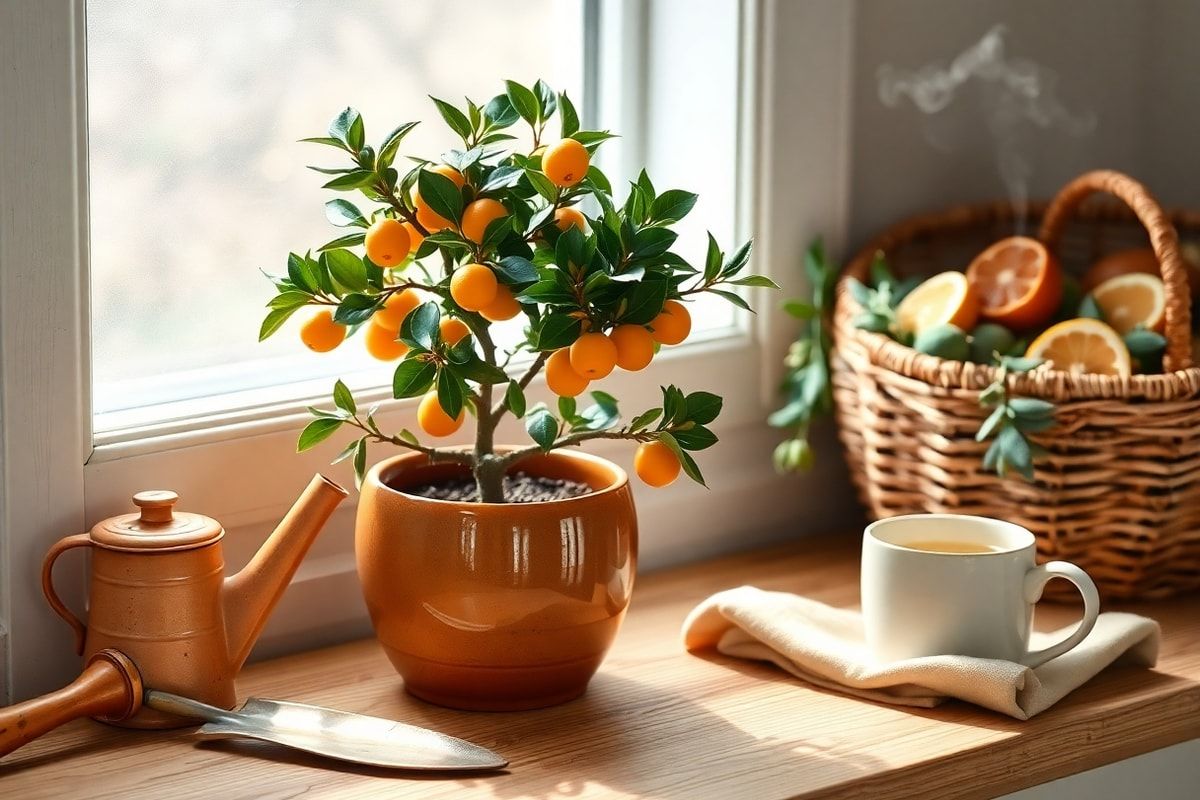
Ornamental kumquat trees (Fortunella spp.) are a delightful addition to any home garden or indoor space. Known for their glossy leaves, fragrant blossoms, and vibrant, edible fruits, kumquats are as functional as they are beautiful. Whether you're a seasoned gardener or a beginner, growing an ornamental kumquat tree can bring a touch of the exotic to your home while providing fresh citrus for culinary use. In this tutorial, we'll guide you through the entire process, from choosing the right materials to maintaining your tree for years of enjoyment.
Materials needed
- Kumquat tree sapling: Choose a healthy young plant from a reputable nursery. Varieties like 'Meiwa' or 'Nagami' are popular for their ornamental value and fruit production.
- Pot or container: Select a well-draining pot with drainage holes. The size should accommodate the root ball comfortably, with room for growth (at least 12-16 inches in diameter).
- High-quality potting mix: Use a well-draining, citrus-specific soil blend or create your own by mixing potting soil with perlite or coarse sand.
- Fertilizer: A balanced, slow-release citrus fertilizer or organic options like compost and worm castings.
- Watering can or hose: Ensure it has a gentle stream to avoid disturbing the soil.
- Pruning shears: Sharp and clean to trim branches and shape the tree.
- Mulch: Organic mulch like wood chips or pine bark to retain moisture and regulate soil temperature.
- Sunlight meter (optional): To monitor light exposure, especially if growing indoors.
- Gloves: For handling soil and pruning.
Preparation steps
Step 1: Selecting the Right Location
Kumquat trees thrive in warm, sunny environments. For outdoor planting, choose a spot with at least 6-8 hours of direct sunlight per day. In colder climates, consider growing kumquats in containers that can be moved indoors during winter. Ensure the location is sheltered from strong winds, which can damage the tree.
For indoor cultivation, place the tree near a south-facing window where it can receive ample sunlight. If natural light is insufficient, supplement with a grow light to mimic daylight hours.
Step 2: Preparing the Planting Site
Whether planting in the ground or a container, proper site preparation is crucial for the health of your kumquat tree.
For outdoor planting:
- Dig a hole twice as wide as the root ball but no deeper.
- Loosen the soil at the bottom of the hole to encourage root penetration.
- Amend the soil with compost or a citrus-specific fertilizer to provide essential nutrients.
- Ensure the planting site has good drainage to prevent waterlogging, which can lead to root rot.
For container planting:
- Choose a container with drainage holes to prevent water accumulation.
- Fill the bottom of the container with a layer of gravel or broken pottery to aid drainage.
- Add a layer of potting mix, leaving enough space for the root ball.
Assembly
Step 3: Planting the Kumquat Tree
Carefully remove the kumquat sapling from its nursery container, gently loosening the roots if they are tightly bound. Place the tree in the center of the hole or container, ensuring the top of the root ball is level with the surrounding soil.
Backfill the hole or container with soil, pressing lightly to eliminate air pockets. Avoid compacting the soil too firmly, as this can restrict root growth. Water the tree thoroughly to settle the soil and remove any remaining air gaps.
Apply a 2-3 inch layer of mulch around the base of the tree, keeping it a few inches away from the trunk to prevent rot. Mulch helps retain moisture, regulate soil temperature, and suppress weeds.
Step 4: Initial Care and Establishment
After planting, focus on establishing a strong root system and promoting healthy growth.
- Watering: Water the tree deeply but infrequently, allowing the top inch of soil to dry out between waterings. Overwatering can lead to root rot, so ensure the soil is well-draining.
- Fertilizing: Apply a balanced citrus fertilizer every 4-6 weeks during the growing season (spring to early fall). Follow the manufacturer's instructions for dosage and application.
- Pruning: Prune the tree lightly to remove dead or damaged branches and shape the canopy. This encourages new growth and maintains the tree's ornamental appearance.
- Monitoring: Keep an eye on the tree for signs of pests or diseases, such as aphids, scale insects, or fungal infections. Treat promptly with organic or chemical solutions as needed.
Mistakes to avoid
- Overwatering: Kumquats are drought-tolerant once established. Overwatering can lead to root rot and other issues. Always check soil moisture before watering.
- Poor drainage: Ensure the planting site or container has adequate drainage to prevent waterlogging. Kumquats hate wet feet!
- Incorrect fertilization: Avoid over-fertilizing, as this can burn the roots and damage the tree. Stick to a regular, balanced feeding schedule.
- Ignoring pests: Early detection and treatment of pests are crucial. Regularly inspect the tree and leaves for signs of infestation.
- Pruning at the wrong time: Avoid heavy pruning during the dormant season (winter). Light pruning can be done year-round, but major shaping is best done in early spring.
Pro tips
- Optimal temperature: Kumquats prefer temperatures between 70-90°F (21-32°C) during the growing season. They can tolerate brief cold snaps down to 20°F (-7°C) but should be protected in colder climates.
- Humidity: If growing indoors, maintain moderate humidity levels. A humidity tray or occasional misting can help, especially during dry winter months.
- Cross-pollination: While kumquats can self-pollinate, having two trees nearby can increase fruit production. Planting different varieties can enhance pollination.
- Container mobility: If growing in containers, move the tree outdoors during warmer months to benefit from natural sunlight and pollinators. Gradually acclimate the tree to outdoor conditions to prevent stress.
- Winter protection: In colder regions, wrap the tree in burlap or use frost cloth to protect it from freezing temperatures. Container-grown trees can be moved indoors or to a sheltered location.
- Harvesting fruit: Kumquats ripen in late fall to early winter. Harvest when the fruit turns a deep orange color. They can be eaten whole, including the peel, which is sweet and tangy.
Ornamental kumquat trees are a rewarding addition to any home garden or indoor space. With their glossy foliage, fragrant blossoms, and vibrant fruits, they offer both aesthetic appeal and practical benefits. By following the steps outlined in this guide, you can successfully grow and care for a kumquat tree that thrives for years to come. Whether you're a beginner or an experienced gardener, the key to success lies in proper planting, regular care, and vigilance against pests and diseases. So, roll up your sleeves, gather your materials, and embark on the journey of growing a stunning kumquat tree that will be the envy of your neighborhood!