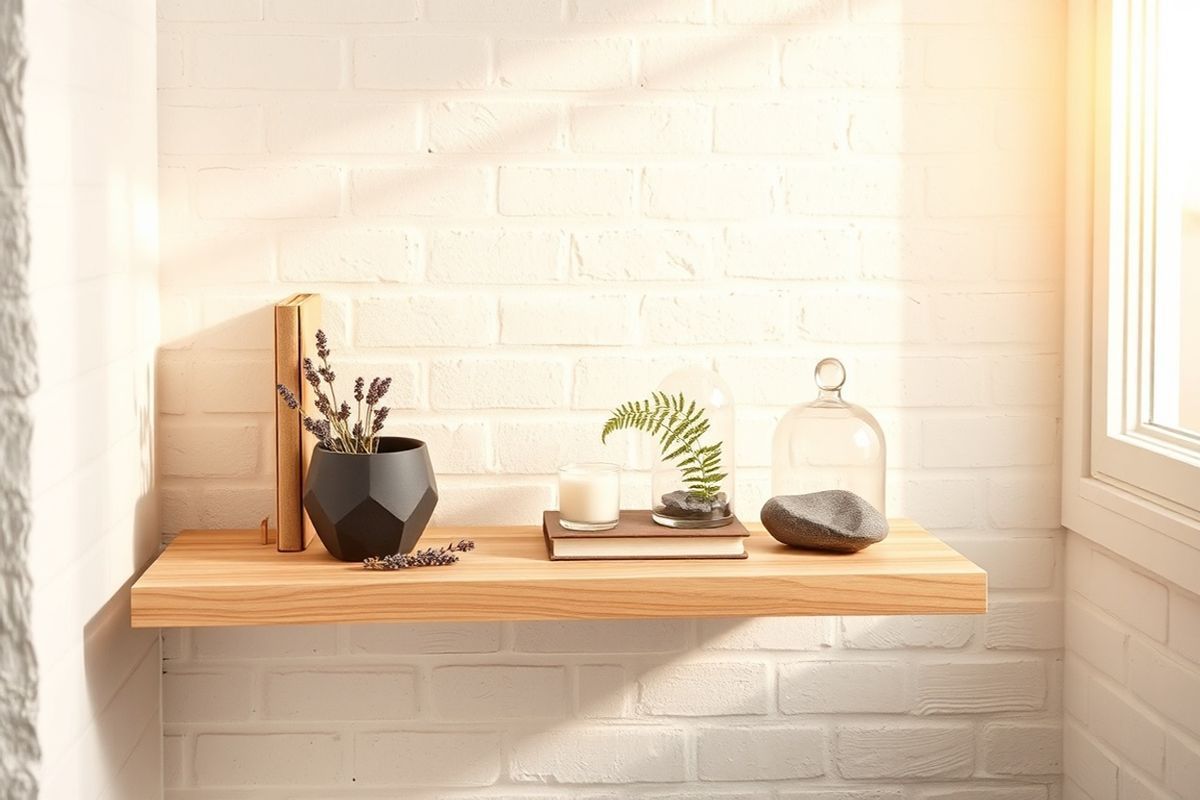
Are you looking to add storage or decor to a tight corner in your home without overwhelming the space? A space-saving corner shelf is the perfect solution! Whether you need extra room for books, plants, or decorative items, this DIY project is budget-friendly, easy to customize, and ideal for small apartments, kitchens, bathrooms, or offices.
In this step-by-step guide, we’ll walk you through building a sturdy, attractive corner shelf that fits snugly into any angle. You don’t need advanced woodworking skills—just basic tools and some creativity. By the end, you’ll have a functional and stylish piece that makes the most of every inch of space.
Materials Needed
- Wood:
- 1 piece of plywood or solid wood (e.g., pine, oak) — 1/2" to 3/4" thick, approximately 24" wide x 24" deep
- Optional: Wood trim or molding for edging
- Shelving Hardware:
- Heavy-duty L-brackets or floating shelf brackets (2–4, depending on size)
- Wood screws (1.5" to 2" long)
- Wall anchors (if mounting into drywall or plaster)
- Tools:
- Measuring tape
- Pencil
- Square or protractor (to mark a 90-degree corner)
- Drill with drill bits
- Screwdriver or impact driver
- Saw (jigsaw, circular saw, or handsaw)
- Sandpaper (120–220 grit) or electric sander
- Wood glue (optional)
- Paint, stain, or sealant (optional)
- Paintbrush or cloth
- Safety Gear:
- Safety glasses
- Dust mask
- Gloves (optional)
Preparation Steps
Step 1: Measure Your Corner
Before cutting anything, carefully measure the space where your corner shelf will go. Use a measuring tape to determine:
- The exact width of each wall at the corner (measure from the corner to the edge of the wall).
- The depth you want the shelf to extend from the wall (usually 8" to 12" is ideal for most items).
- The height at which you want the shelf (eye level is often best for accessibility and aesthetics).
Tip: Most interior corners are 90 degrees, but measure anyway to be sure. If your walls are not perfectly square, you may need to adjust your shelf design slightly.
Step 2: Design Your Shelf
Decide on the shape and size of your shelf. A common design is a triangular or trapezoidal shelf that fits neatly into the corner. Here’s how to calculate it:
Let’s assume your walls are each 24 inches long from the corner to the edge, and you want a shelf that extends 10 inches from each wall.
- Base Shape: The shelf will be a right triangle with legs of 24 inches each.
- Top Edge: If you want a flat shelf top, the back edge will be straight, and the front will follow the triangle.
- Depth: The shelf depth (from wall to front edge) should be consistent—usually 10–12 inches.
Draw your design on paper or use a free design app to visualize it. Once you’re satisfied, transfer the measurements to your wood.
Assembly
Step 3: Cut the Wood
Using your design, mark the dimensions on the wood with a pencil. Use a square to ensure all angles are accurate (especially at the corner).
If your shelf has a flat top with angled sides, you may need to cut:
- One large triangular piece for the base.
- Two side panels (if your design includes them).
- One flat top piece that fits the depth and width of the shelf.
Example cut list for a simple triangular shelf (24" x 24" base, 10" depth):
- Base triangle: 24" x 24" x √(24² + 24²) ≈ 34" hypotenuse
- Top panel: 20" x 10" (slightly smaller than base to allow for overhang or trim)
Use a saw to cut the pieces carefully. Sand all edges with sandpaper to remove splinters and create a smooth finish.
Step 4: Assemble the Shelf
Now it’s time to put it all together. Follow these steps:
- Attach the Top to the Base:
- Apply wood glue along the top edge of the triangular base (if using).
- Place the top panel onto the base, aligning the edges.
- Clamp the pieces together and let the glue dry for 30 minutes to 1 hour.
- Add Support Brackets (Optional):
- If your shelf is wide or holds heavy items, add support brackets underneath.
- Position brackets at the corners and every 12–18 inches along the base.
- Screw the brackets into the wood from the bottom using 1.5" wood screws.
- Reinforce the Back (Optional):
- For extra stability, attach a thin plywood or hardboard back panel to the triangular base.
- This also hides the inside and gives a cleaner look.
- Sand and Finish:
- Lightly sand all visible surfaces and edges.
- Wipe off dust with a damp cloth.
- Apply paint, stain, or a clear sealant for durability and style.
- Let it dry completely before installing.
Installing the Shelf
Step 5: Mark the Mounting Points
Place the shelf in the corner to check the fit. Use a pencil to mark where the brackets will attach to the wall. Use a level to ensure the shelf will be straight.
Tip: If you’re installing a floating shelf style, mark the top edge of the shelf on the wall.
Step 6: Drill into the Wall
Use a stud finder to locate wall studs behind the drywall. If possible, screw the brackets into studs for maximum support. If you can’t hit studs, use wall anchors rated for the weight of your shelf and items.
- Drill pilot holes into the wall at your marked points.
- Insert wall anchors if needed.
- Attach the L-brackets or floating shelf hardware to the wall with screws.
Step 7: Mount the Shelf
Carefully lift the shelf and place it onto the installed brackets. Ensure it sits flush against the wall and is level.
- For L-brackets: Slide the shelf onto the brackets and secure with screws from underneath.
- For floating shelf hardware: Follow the manufacturer’s instructions to lock the shelf in place.
Check for stability by gently pressing down. The shelf should not wobble.
Mistakes to Avoid
- Skipping the Level Check: Always use a level when marking and installing. A crooked shelf looks unprofessional and can fall.
- Overestimating Weight Capacity: If your shelf holds heavy books or decor, use solid wood and heavy-duty brackets. Don’t assume thin plywood will hold much.
- Ignoring Wall Anchors: If your walls are hollow or made of drywall, always use anchors. Screws alone won’t hold long-term.
- Cutting Without a Plan: Measure twice, cut once. A poorly measured shelf is hard to fix and may not fit the corner.
- Skipping Sanding: Rough edges can snag clothes, cut fingers, or look unfinished. Always sand thoroughly.
- Using Weak Adhesives Only: Wood glue helps, but brackets are essential for support. Don’t rely solely on glue.
Pro Tips
- Customize the Look: Paint your shelf to match your room’s color scheme. Try white for a clean look, dark stain for rustic charm, or bold colors for a statement piece.
- Add LED Lighting: Install small battery-operated LED strip lights under the shelf for ambiance and visibility. Great for reading nooks or kitchen displays.
- Use Multiple Shelves: Build two or three shelves stacked vertically to maximize space in a tall corner.
- Go Floating: For a modern look, use floating shelf hardware and skip the triangular base. Cut the shelf into a triangle and mount it directly to the wall.
- Organize Thoughtfully: Use baskets, bins, or small boxes on the shelf to keep items tidy and prevent clutter.
- Pre-Drill Screw Holes: To prevent wood splitting, pre-drill holes before inserting screws into the shelf or wall.
- Consider Corner Mounting Plates: Some hardware comes with decorative corner plates that add style and extra support.
With a little patience and creativity, your DIY corner shelf will be a functional and beautiful addition to your home. It’s a project that pays off in both utility and style, making it a must-try for small-space dwellers and DIY enthusiasts alike.
Ready to get started? Gather your materials, follow these steps, and enjoy the satisfaction of building something both practical and personalized. Happy crafting!