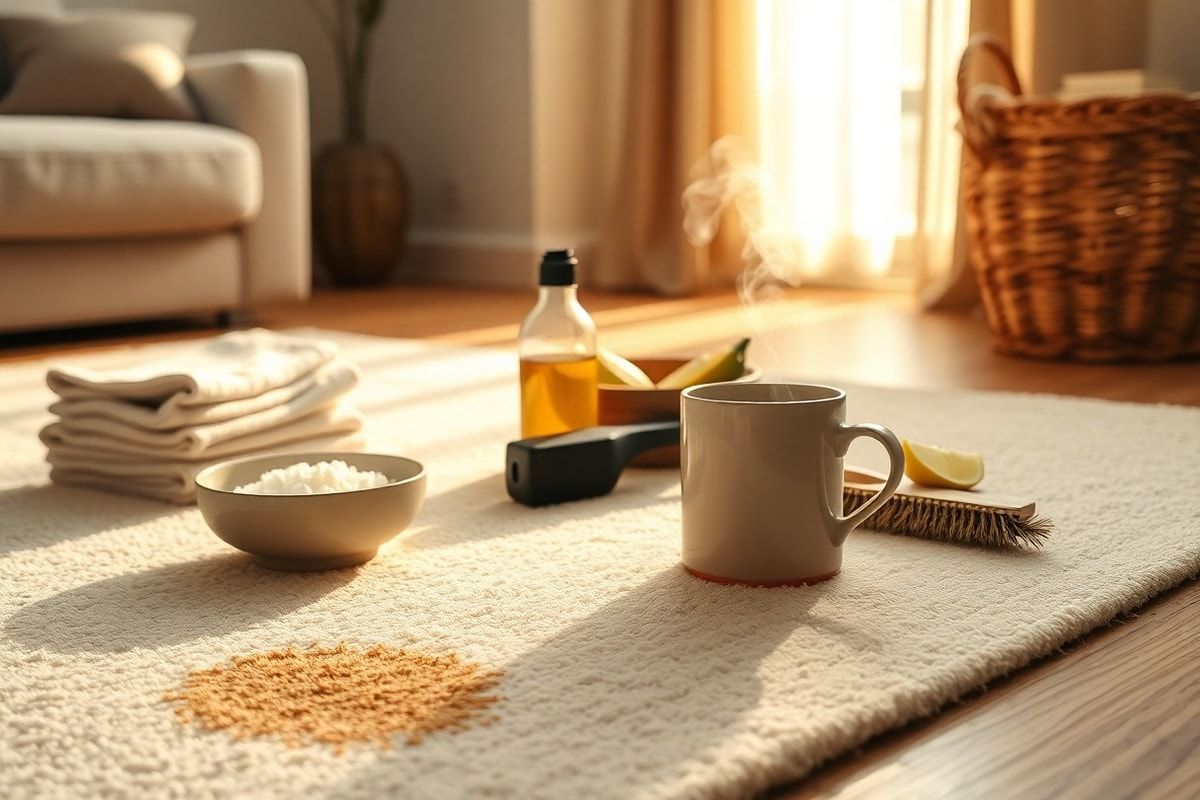
Cleaning stains from floors can be a daunting task, especially when dealing with carpets or upholstered surfaces. Fortunately, shampoing moquette détachant sols—a specialized carpet shampoo designed for floor stain removal—can make the process much easier. Whether you're tackling pet stains, food spills, or dirt buildup, using the right product and technique ensures a deep clean without damaging your floors.
Materials Needed
- Carpet shampoo for floors (ensure it's suitable for your floor type—wood, tile, or carpeted floors)
- Bucket of warm water
- Clean cloths or microfiber towels
- Soft-bristle brush or scrubbing pad (for stubborn stains)
- Vacuum cleaner (for pre-treatment preparation)
- Spray bottle (optional, for diluted shampoo application)
- Rubber gloves (to protect your hands)
- Fan or open windows (for ventilation during drying)
Preparation Steps
Step 1: Identify the Stain Type
Before applying shampoo, determine the nature of the stain. Common types include:
- Organic stains (food, pet urine, grass)—these require enzymatic cleaners or oxygen-based shampoos.
- Grease or oil-based stains (cooking oils, lotions)—use a degreasing shampoo.
- Inorganic stains (ink, dye, rust)—may need specialized stain removers before shampooing.
Pro Tip: Always check the product label for stain-specific instructions. Some shampoos are formulated for general use, while others target specific stains.
Step 2: Pre-Treat the Area
Pre-treatment ensures the shampoo works more effectively. Follow these steps:
- Vacuum the area thoroughly to remove loose dirt, dust, and debris. This prevents further grinding of particles into the stain.
- Blot (don't rub!) the stain with a clean, damp cloth to remove excess moisture or residue. Rubbing can spread the stain deeper into the fibers.
- For dried stains, gently scrape off any hardened material (e.g., dried food or mud) with a spoon or dull knife.
- If the stain is organic (like pet urine), consider using an enzyme cleaner first to break down proteins before shampooing.
Assembly
Step 3: Prepare the Shampoo Solution
Most carpet shampoos require dilution with water. Follow these guidelines:
- Read the instructions on the product label for the correct dilution ratio (e.g., 1 part shampoo to 4 parts water).
- Mix the solution in a bucket of warm water. Avoid hot water, as it can set certain stains.
- For tough stains, use the shampoo undiluted on a small, hidden area first to test for colorfastness (especially on carpets or colored floors).
Alternative Method: Some users prefer using a spray bottle for targeted application. Fill it with the diluted solution and spray lightly over the stain.
Step 4: Apply the Shampoo and Clean
Now comes the actual cleaning process:
- Apply the shampoo solution to the stained area using a cloth, sponge, or soft brush. Work from the outer edges of the stain toward the center to avoid spreading.
- Gently agitate the stain with a soft-bristle brush or scrubbing pad. For carpets, use circular motions; for hard floors, use back-and-forth strokes.
- Let the shampoo sit for 5–10 minutes (or as directed on the label) to break down the stain.
- Blot with a clean, damp cloth to lift the shampoo and stain residue. Repeat if necessary.
- For deep stains, you may need to repeat the process 2–3 times.
Pro Tip: For stubborn stains, cover the area with a damp cloth and press down with a heavy object (like a book) to help the shampoo penetrate deeper.
Mistakes to Avoid
Even with the right tools, some cleaning habits can worsen stains or damage floors. Avoid these common pitfalls:
- Using too much shampoo: Excessive suds can leave residue, attracting more dirt over time. Stick to the recommended amount.
- Skipping pre-treatment: Vacuuming and blotching beforehand ensures the shampoo targets the actual stain, not loose dirt.
- Rubbing aggressively: This can fray carpet fibers or scratch hard floors. Always blot or use gentle pressure.
- Using harsh chemicals: Avoid bleach or ammonia-based cleaners on colored carpets or wood floors—they can cause discoloration or warping.
- Not rinsing properly: Leftover shampoo residue can attract dirt and make floors sticky. Always rinse with clean water and blot dry.
Pro Tips
For professional-level results, try these expert-recommended techniques:
- Test in an inconspicuous area: Before cleaning the entire stain, apply a small amount of shampoo to a hidden spot (e.g., under a rug or furniture leg) to check for colorfastness or damage.
- Use a carpet cleaner machine: If you have large areas to clean (like wall-to-wall carpets), consider renting a carpet cleaner. These machines apply shampoo, agitate, and extract dirt in one step.
- Speed up drying: After cleaning, use a fan or open windows to circulate air. For carpets, a dry towel pressed over the area can absorb excess moisture.
- Address odors: Some stains (like pet urine) leave lingering smells. Sprinkle baking soda on the area after cleaning, let it sit for 15 minutes, then vacuum.
- Store shampoo properly: Keep it in a cool, dry place away from direct sunlight to maintain its effectiveness.
For wood floors, use a shampoo specifically labeled for hardwood to avoid warping. For tile floors, a degreasing shampoo works best for kitchen spills. And for carpets, enzyme-based shampoos are ideal for organic stains like pet accidents.
If you're dealing with old, set-in stains, you may need to repeat the process over several days or use a stronger commercial stain remover before shampooing.
Conclusion
Using shampoing moquette détachant sols to clean stains from floors is a straightforward process when you follow the right steps. By choosing the appropriate product, pre-treating stains, and applying the shampoo correctly, you can restore your floors to their original condition—without causing damage. Remember to avoid common mistakes, like over-scrubbing or skipping rinsing, and always test products in hidden areas first.
With a little patience and the right technique, even the toughest stains can be banished. For regular maintenance, vacuum frequently and address spills immediately to keep your floors looking fresh and new.
Happy cleaning!