Introduction
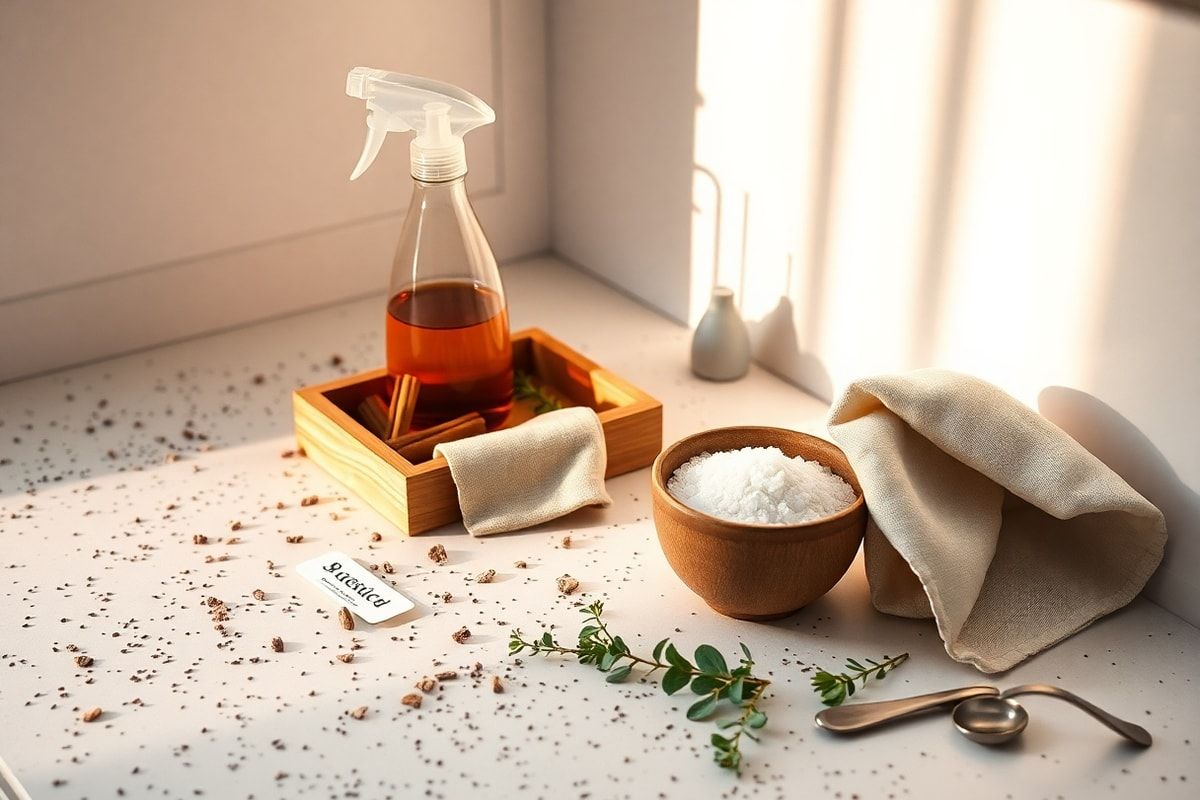
Granite countertops are a stunning addition to any kitchen, offering durability, elegance, and natural beauty. However, maintaining their pristine condition requires the right cleaning approach. Many commercial cleaners contain harsh chemicals that can damage granite over time. Fortunately, you can create a powerful, natural granite cleaner at home using ingredients you likely already have. This DIY solution is safe, eco-friendly, and cost-effective, ensuring your countertops stay clean, shiny, and protected.
Materials needed
- Distilled water (prevents mineral deposits)
- White vinegar (natural disinfectant and degreaser)
- Isopropyl alcohol (70% or higher, for sanitizing)
- Dish soap (mild, like Castile soap or baby shampoo)
- Essential oils (optional, for fragrance and antibacterial properties – tea tree, lavender, or lemon work well)
- Spray bottle (glass is best to avoid plastic leaching)
- Microfiber cloths or soft sponges
- Granite sealant (if your countertops need resealing)
Preparation steps
Step 1: Choose the Right Dilution Ratio
The key to a safe and effective granite cleaner is proper dilution. Granite is porous and can absorb liquids, so too much liquid or strong cleaners can stain or dull the surface. Use the following ratios for best results:
- Basic Cleaner: Mix 1 cup distilled water + 1 cup isopropyl alcohol + 1 teaspoon dish soap.
- Disinfecting Cleaner: Mix 1 cup distilled water + 1 cup vinegar + 5 drops essential oil (optional).
- Deeper Clean (for greasy or sticky residues): Mix 1 cup distilled water + 2 tablespoons vinegar + 1 tablespoon dish soap.
For granite, vinegar should not be used full-strength or applied undiluted, as its acidity can etch the surface over time. Stick to a 1:1 ratio with water for occasional use, and reserve the stronger mix for tougher grime.
Step 2: Add Essential Oils (Optional but Recommended)
Essential oils not only add a pleasant scent but also enhance the cleaner’s antibacterial properties. Add 5–10 drops of your preferred oil to the spray bottle. Some great options include:
- Tea Tree Oil: Strong antimicrobial, great for mold and bacteria.
- Lemon Oil: Cuts through grease and leaves a fresh scent.
- Lavender Oil: Calming fragrance with mild antibacterial benefits.
Shake the bottle gently to mix the ingredients before use.
Assembly
Step 3: Pour and Shake
Transfer the mixed ingredients into a glass spray bottle (plastic can degrade over time, especially with essential oils). Fill the bottle to the top, leaving a little space at the top to allow for shaking.
Seal the bottle tightly and shake it well to ensure all ingredients are fully combined.
Step 4: Label and Store
Label the bottle clearly with the contents and date. Store it in a cool, dark place away from direct sunlight to preserve the potency of the essential oils. Your natural granite cleaner is now ready to use!
How to Use Your Natural Granite Cleaner
Step 1: Clear the Countertop
Remove any items from the countertop, including appliances, utensils, and decorative items. This ensures you can clean the entire surface thoroughly.
Step 2: Dust or Wipe Away Debris
Use a dry microfiber cloth to remove crumbs, dust, or loose debris from the surface. This prevents scratching when you apply the cleaner.
Step 3: Spray the Cleaner
Hold the spray bottle 6–8 inches away from the granite surface and apply a light mist. Avoid soaking the countertop, as excess liquid can seep into the pores and cause damage over time.
Step 4: Wipe with a Soft Cloth
Use a clean, damp microfiber cloth to wipe the surface in circular motions. This helps lift dirt and grime without scratching the granite. For tougher stains, let the cleaner sit for 30 seconds before wiping.
Step 5: Dry the Surface
Use a dry microfiber cloth to buff the countertop and remove any remaining moisture. This step is crucial for preventing water spots and maintaining shine.
Mistakes to Avoid
- Using acidic cleaners (like undiluted vinegar or lemon juice): These can etch the granite’s surface, dulling its polish over time.
- Leaving spills or liquids sitting on the surface: Granite is porous and can absorb liquids, leading to stains or discoloration.
- Using abrasive scrubbers or steel wool: These can scratch the granite, ruining its smooth finish.
- Overusing soap: Excess soap residue can leave a film on the surface, making it look dull and attracting more dirt.
- Ignoring sealing recommendations: Granite should be sealed every 1–3 years (depending on use). A sealed surface is easier to clean and more resistant to stains.
Pro Tips
- Test in a hidden spot first: Before using your cleaner on the entire countertop, test it on a small, inconspicuous area to ensure it doesn’t cause discoloration or damage.
- Seal your granite regularly: To protect against stains and etching, apply a granite sealant according to the manufacturer’s instructions. A sealed surface resists liquids and is easier to clean.
- Blot spills immediately: If you spill wine, coffee, or oil on your granite, blot it up with a paper towel or cloth as soon as possible to prevent staining.
- Use coasters and trivets: Prevent heat damage and rings by using coasters under glasses and trivets under hot pots and pans.
- Avoid using Windex or glass cleaners: These often contain ammonia, which can break down the sealant and damage the granite’s finish.
- Clean up spills quickly: Even water can leave rings if left to sit for too long. Wipe down the countertop regularly to maintain its appearance.
For Stains:
If your granite develops a stain, try a poultice method:
- Mix baking soda with water to form a thick paste.
- Apply the paste to the stain, covering it completely with plastic wrap.
- Tape the edges to secure it and let it sit for 24 hours.
- Remove the paste and wipe the area clean with your natural cleaner.
- Repeat if necessary.
For oil-based stains, use a baking soda and acetone paste. For organic stains (like coffee or wine), use a hydrogen peroxide and baking soda paste (test first!).
For Shine:
To restore the granite’s natural shine, buff the surface with a dry microfiber cloth after cleaning. For extra brilliance, apply a small amount of mineral oil or granite polish (follow product instructions).
If your granite looks dull despite regular cleaning, it may need professional polishing. Over time, high-traffic areas can lose their luster, and a professional can restore the original finish.
Eco-Friendly Alternatives:
If you prefer a vinegar-free option, substitute vinegar with more isopropyl alcohol or distilled water. For a stronger degreaser, add a few drops of Castile soap. Always rinse with water and dry thoroughly to prevent residue.
Frequency of Cleaning:
Aim to clean your granite countertops 2–3 times per week, or more often if you cook frequently or have kids/pets. Regular cleaning prevents buildup and keeps the surface looking its best.
Storing Your Cleaner:
Homemade granite cleaners typically last 2–4 weeks when stored properly. If the mixture separates or develops a strong odor, discard it and make a fresh batch. Essential oils can degrade over time, so check the color and scent before use.
Safety Note:
While natural cleaners are safer than commercial ones, always use them with care. Avoid inhaling essential oils directly, and keep the cleaner out of reach of children and pets. If using around food prep areas, rinse the surface with water after cleaning.
Final Thoughts:
A natural granite cleaner is a simple, affordable, and effective way to keep your kitchen countertops looking their best. By using gentle, non-toxic ingredients, you protect your granite from damage while also safeguarding your family’s health and the environment. With regular care and proper cleaning techniques, your granite countertops will remain a beautiful and durable centerpiece in your kitchen for years to come.
Try this DIY cleaner today and enjoy the peace of mind that comes with knowing exactly what’s in contact with your countertops!
Have you tried making your own granite cleaner? Share your favorite recipes or tips in the comments below!