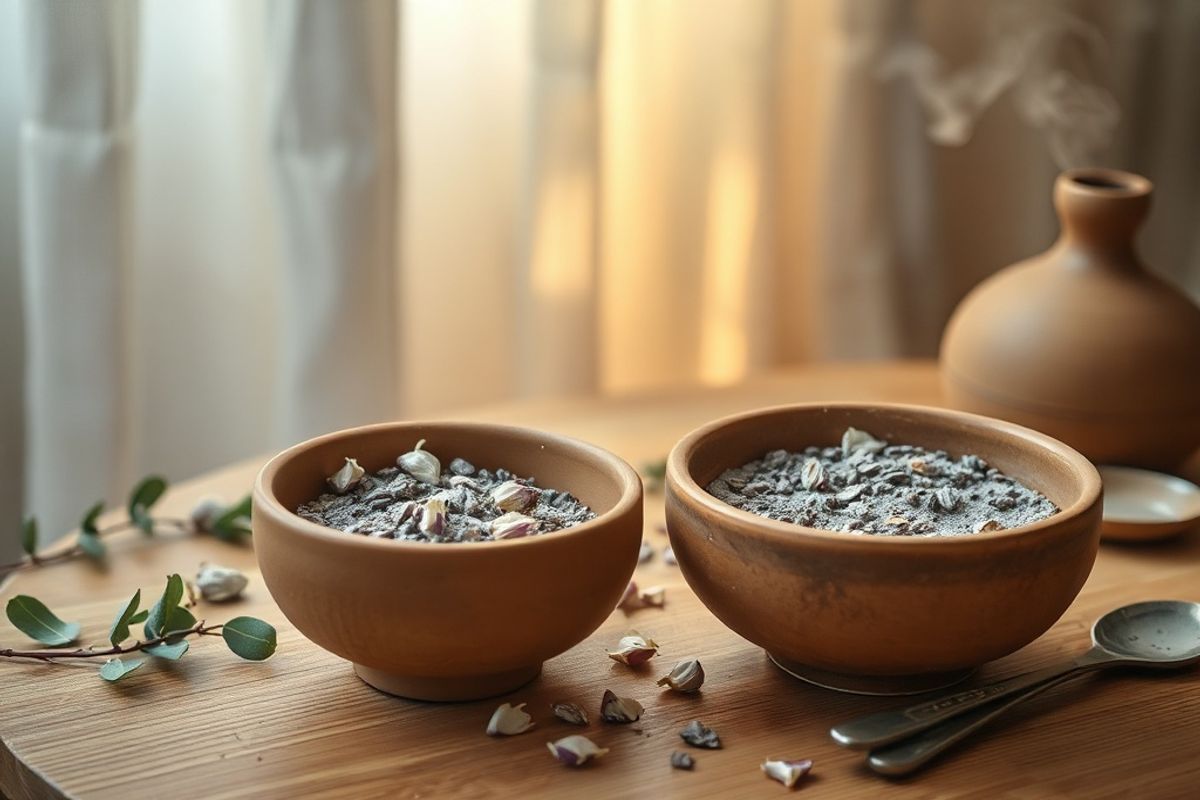
As a cat owner, you know that keeping your home fresh while maintaining a clean litter box can be a challenge. Commercial cat litter deodorizers often contain synthetic fragrances and chemicals that may not be ideal for your pet's health or the environment. The good news? You can create effective, natural deodorizers right at home using simple, pet-safe ingredients. These solutions are not only economical but also customizable to suit your preferences. In this guide, we’ll walk you through easy, step-by-step methods to naturally neutralize odors in your cat’s litter box, ensuring a fresher home for both you and your feline friend.
Materials Needed
- Baking soda – A natural odor absorber
- Essential oils (optional) – Lavender, tea tree, or eucalyptus (ensure cat-safe options)
- Cornstarch or arrowroot powder – For texture and moisture absorption
- Food-grade diatomaceous earth (optional) – Helps control odors and pests
- Reusable fabric or cotton drawstring bags – For easy application and cleanup
- Spoon or small scoop – For measuring and mixing
- Spray bottle (if making a liquid spray)
- Distilled water (for spray versions)
Preparation Steps
Step 1: Choose Your Base Ingredient
Start by selecting a primary ingredient that will serve as the foundation of your deodorizer. Baking soda is a top choice due to its excellent odor-neutralizing properties. It’s safe for cats when used in moderation and non-toxic if accidentally ingested in small amounts during grooming.
Alternatively, cornstarch or arrowroot powder can be used alone or in combination with baking soda. These powders help absorb moisture and reduce clumping, making cleanup easier. You can also incorporate food-grade diatomaceous earth, which naturally controls both odors and pests like fleas.
Step 2: Select Pet-Safe Essential Oils (Optional)
If you want to add a light, natural fragrance, essential oils can be used—but caution is key. Cats have sensitive respiratory systems and livers, so not all oils are safe for them. Avoid oils such as tea tree (melaleuca), citrus, peppermint, eucalyptus, and pine, which can be toxic. Instead, consider using a very small amount of lavender or chamomile oil, which are generally considered safer when used minimally and properly diluted.
Always dilute essential oils—one drop per teaspoon of carrier (like baking soda) is sufficient. Never apply undiluted oils directly to the litter box or allow your cat to come into contact with concentrated oil.
Assembly
Step 3: Mix Your Ingredients
Now it’s time to combine your chosen ingredients. Below are three simple formulas you can use, depending on your preference:
Powder Deodorizer Formula 1: Simple & Effective
- 1 cup baking soda
- ½ cup cornstarch or arrowroot powder
- 10 drops lavender essential oil (optional, diluted)
Mix all ingredients in a bowl until evenly combined. Store in an airtight container or reusable fabric bag. Sprinkle 1–2 tablespoons into the litter box each time you clean it.
Powder Deodorizer Formula 2: Odor & Moisture Control
- ½ cup baking soda
- ¼ cup food-grade diatomaceous earth
- ¼ cup cornstarch
Combine thoroughly and store in a sealed container. This blend is excellent for absorbing both odors and moisture. Use sparingly—about 1 teaspoon per litter change.
Liquid Spray Deodorizer
- 1 cup distilled water
- 1 tablespoon baking soda
- 5 drops lavender essential oil (diluted)
Shake well in a spray bottle before each use. Lightly mist the litter box (avoid direct contact with litter clumps) after cleaning, but before adding fresh litter. This helps freshen the environment without soaking the litter.
Store any unused spray in the fridge for up to one week to maintain potency.
Step 4: Apply and Monitor
Sprinkle your homemade powder deodorizer directly onto the clean litter box floor before adding fresh litter. The baking soda will work immediately to neutralize odors, while cornstarch helps reduce clumping and keeps the litter drier.
If using a spray, apply lightly after cleaning and before relining the box. Always observe your cat’s behavior—if they seem to avoid the box or sniff excessively, discontinue use and rinse the box thoroughly.
Mistakes to Avoid
- Using unsafe essential oils – Avoid oils like tea tree, citrus, peppermint, and wintergreen. Even “natural” doesn’t mean safe for cats.
- Overusing powders or sprays – Too much baking soda or diatomaceous earth can irritate your cat’s respiratory tract or dry out their paws.
- Using scented litters with homemade deodorizers – Combining multiple fragrances can overwhelm your cat’s sensitive nose and lead to avoidance of the litter box.
- Applying directly to used litter – Always apply deodorizer to a clean litter box to prevent mixing odors and bacteria.
- Ignoring clumping or moisture buildup – If your litter isn’t clumping well, consider adjusting your formula or switching to a different type of litter.
Pro Tips
- Test in small amounts first – Before full application, try your deodorizer on a small section of the litter box to ensure your cat accepts it.
- Clean regularly – Even the best deodorizer won’t replace regular cleaning. Scoop waste daily and change litter every 1–2 weeks.
- Use unscented, natural cat litter – Pair your homemade deodorizer with a fragrance-free, clumping litter made from materials like corn, wheat, or recycled paper.
- Store properly – Keep your deodorizer mix in an airtight container away from moisture to maintain effectiveness.
- Consider baking soda in the litter itself – You can mix ¼ cup baking soda directly into each new batch of litter to boost odor control from the start.
Natural deodorizers are a great way to reduce chemical exposure and keep your home smelling pleasant. However, remember that the best way to control litter box odors is through regular cleaning and proper ventilation. A well-maintained litter box not only smells better but also encourages your cat to use it consistently.
By making your own cat litter deodorizer, you’re taking a step toward a healthier home for both you and your pet. Plus, you’ll save money and reduce waste—win-win!
Give these simple recipes a try and see which one works best for your household. Your nose (and your cat) will thank you!