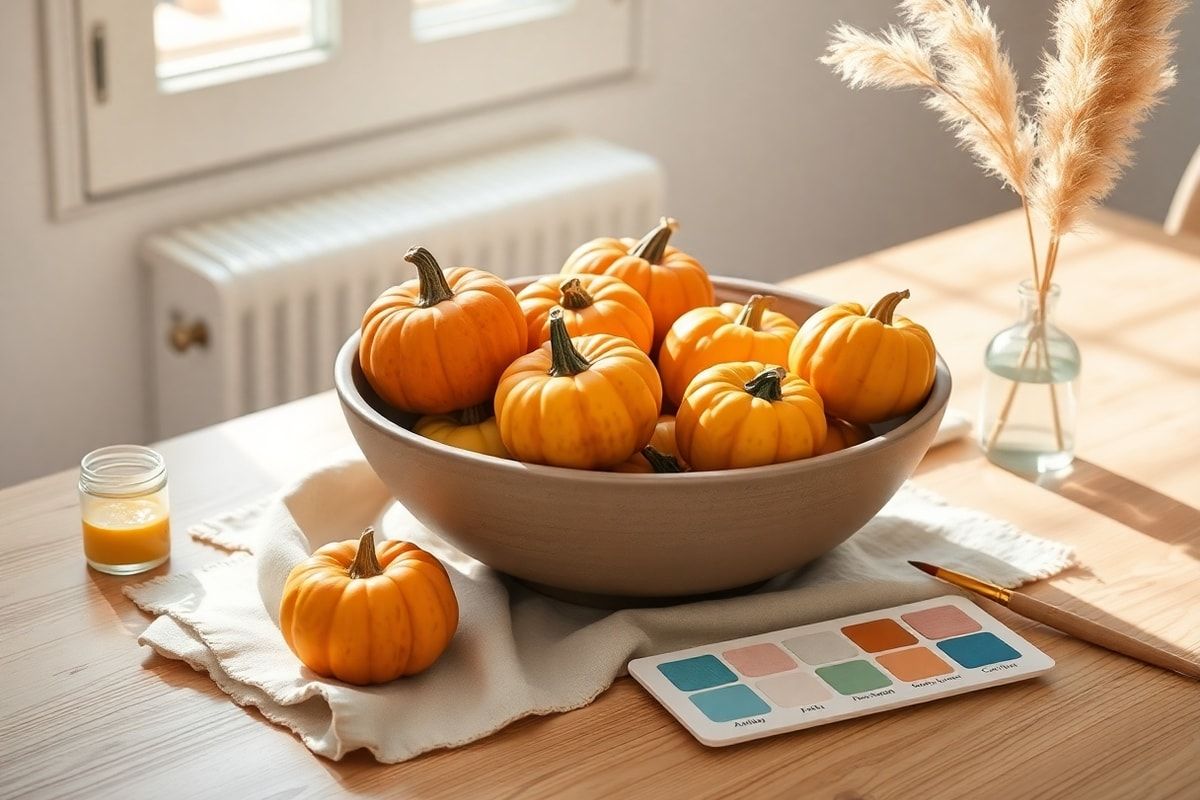
Fall is the season of cozy sweaters, warm drinks, and vibrant autumn decor. One of the most beloved symbols of the season is the pumpkin — and this year, why not give your home a fresh twist with pastel soft pumpkins? These delicate, dreamy pumpkins are perfect for adding a subtle, elegant touch to your fall tablescapes, mantels, or shelves. Unlike traditional bright orange pumpkins, pastel versions bring a gentle, modern aesthetic that pairs beautifully with rustic, boho, or minimalist decor styles.
In this tutorial, we’ll guide you through a simple and relaxing process to create your own pastel soft pumpkins using acrylic paint, chalk paint, or even spray paint. Whether you're a beginner or a seasoned crafter, you’ll find this project enjoyable and rewarding. By the end, you’ll have a set of soft, dreamy pumpkins that look straight out of a Pinterest dream board.
Materials needed
- Pumpkins: Real mini pumpkins (1–3 inches in diameter) or craft pumpkins (foam or papier-mâché). Choose smooth, blemish-free surfaces for best results.
- Acrylic or chalk paint: Soft pastel colors such as blush pink, sage green, pale lavender, soft peach, or mint blue. You can mix your own shades by adding a touch of white to base colors.
- Paintbrushes: A small flat brush (1/4" or 1/2") for base coating and a fine detail brush for blending or touch-ups.
- Clear acrylic sealer: Matte or satin finish to protect your painted pumpkins and give them a smooth, professional look.
- Sandpaper: Fine-grit (220-grit) to lightly smooth surfaces before painting, especially on craft pumpkins.
- Mod Podge or decoupage glue: (optional) To seal and protect if using paper elements or distressed finishes.
- Soft cloth or rag: For wiping down pumpkins before painting.
- Masking tape: (optional) To create clean edges or patterns.
- Disposable plate or palette: For mixing paints.
- Water cup and paper towels: For cleaning brushes and correcting mistakes.
Preparation steps
Proper preparation is key to achieving a smooth, long-lasting finish. Follow these steps to get your pumpkins ready for painting.
Step 1: Clean the pumpkin surface
Whether you’re using real or faux pumpkins, it’s important to start with a clean surface. Real pumpkins may have dirt, dust, or natural oils on their skins. Wipe them down with a damp cloth and let them dry completely. For faux pumpkins, gently dust them with a dry cloth to remove any loose particles.
If you're working with a craft pumpkin made of foam or papier-mâché, avoid using water directly on it, as it can warp or dissolve the material. Instead, use a slightly damp cloth and pat dry immediately.
Step 2: Lightly sand the surface (for faux pumpkins)
If your pumpkin is made of a slick material like foam or plastic, lightly sand the surface with fine-grit sandpaper to create a slightly rough texture. This helps the paint adhere better and prevents peeling over time. Wipe away any dust with a dry cloth before moving on.
Real pumpkins have a natural, porous surface, so they don't typically need sanding. However, if the skin feels waxy or slick, a gentle sanding can help the paint grip better.
Assembly
Now comes the fun part — painting your pastel soft pumpkins! We’ll start with a base coat and then add soft, blended layers for that dreamy, watercolor effect.
Step 3: Apply the base coat
Choose your softest pastel color as your base coat. Light pink, pale blue, or soft sage green work beautifully. Pour a small amount of paint onto your palette and dip your brush lightly into the paint. You want a thin, even layer — don’t overload the brush.
Starting at the top of the pumpkin, gently brush the paint in small, circular motions, working your way down. Cover the entire surface evenly, but don’t worry about perfection — we’ll blend it out in the next step. Let the base coat dry completely (about 15–30 minutes).
Tip: If you're using chalk paint, you may need only one coat. Acrylic paint may require two thin coats for full opacity.
Step 4: Create soft blended layers
This is where the magic happens. To achieve a soft, watercolor effect, we’ll blend lighter and darker shades of the same base color. For example, if your base is pale pink, mix a tiny bit of white with a touch of red or coral to create a slightly deeper pink.
Using your fine detail brush, gently dab the deeper color onto the pumpkin in small spots or streaks. Then, using a clean, slightly damp brush, gently blend the deeper color outward in soft strokes. This creates a gradient effect that looks natural and dreamy.
Repeat this process with other soft pastel shades if you’d like to layer multiple colors. For example, you could blend soft peach into pale pink for a sunset effect. Let your creativity flow — there are no wrong ways to do this!
Allow the paint to dry completely between layers. This prevents colors from bleeding together and keeps your design crisp.
Mistakes to avoid
Even the most experienced crafters make mistakes. Here are some common pitfalls to watch out for:
- Overloading the brush with paint: Too much paint can create drips or thick globs. Use a light hand and build up layers gradually.
- Rushing the drying time: Painting over wet layers can cause colors to bleed and blend unpredictably. Always let each layer dry before adding another.
- Skipping the prep work: Not cleaning or sanding your pumpkin can lead to paint chipping or peeling. A little prep now saves frustration later.
- Using too many colors at once: While layering is great, too many colors can make your pumpkin look busy. Stick to 2–3 complementary pastels for a cohesive look.
- Applying sealer too soon: Always let your final layer of paint dry thoroughly (at least 2–3 hours) before sealing. Otherwise, the sealer can lift the paint.
Pro tips
Want to take your pastel pumpkins to the next level? Try these expert tips:
- Use a sponge for texture: Dip a makeup sponge into your pastel color and lightly dab it onto the pumpkin for a soft, mottled effect. This works especially well for uneven surfaces.
- Add a metallic touch: After your base and blend coats are dry, lightly dry-brush a metallic gold or rose gold paint onto the ridges of the pumpkin for subtle shimmer.
- Create ombré effects: Start with a darker shade at the bottom of the pumpkin and gradually blend to a lighter shade at the top for a stunning gradient.
- Mix in a touch of gray: Adding a hint of gray to your pastels can mute them slightly, giving them a vintage, muted look that’s perfect for farmhouse or cottagecore styles.
- Use a hairdryer: To speed up drying time between layers, use a low-heat hairdryer. Just be careful not to blow dust onto the wet paint.
- Display creatively: Group your pastel pumpkins on a shelf, scatter them on a coffee table, or use them as centerpieces with dried flowers and fairy lights.
💡 Bonus Idea: If you want a no-paint option, try wrapping mini pumpkins in soft pastel-colored linen or burlap fabric for a rustic yet elegant look.
Now that your pastel soft pumpkins are complete, it’s time to style them! Place them on your front porch, dining table, or bookshelf for a fresh, seasonal vibe. These pumpkins are not only beautiful but also a wonderful way to celebrate the cozy, creative spirit of autumn without the traditional bright orange.
We’d love to see your creations! Share your pastel pumpkin photos with us on social media using the hashtag #HomeReadyHubSoftPumpkins. Happy crafting!