Introduction
Materials Needed
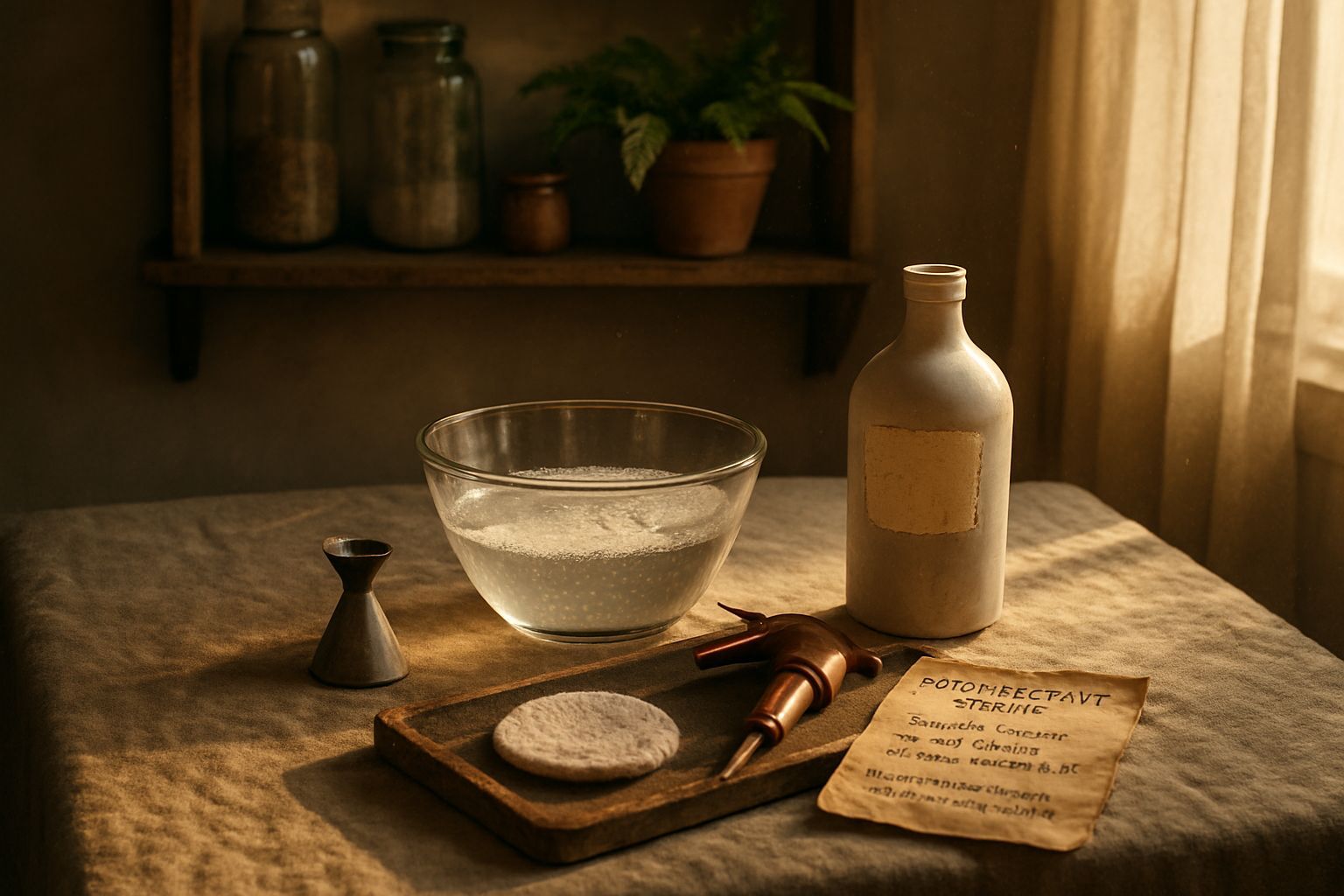
- 1 cup distilled water
- 1/4 cup white vinegar or rubbing alcohol (70% isopropyl alcohol recommended)
- 10-15 drops of child-safe essential oil (e.g., lavender, tea tree, or lemon)
- A clean spray bottle (preferably glass or BPA-free plastic)
- Funnel (optional)
Preparation Steps
Step 1: Choose Your Disinfecting Agent
Select between white vinegar or rubbing alcohol as your disinfecting agent. Vinegar is a natural antibacterial and antiviral option, while rubbing alcohol is more effective against viruses. For a stronger disinfectant, use rubbing alcohol.
Step 2: Select a Child-Safe Essential Oil
Add 10-15 drops of a child-safe essential oil to your mixture. Essential oils like lavender, tea tree, or lemon not only add a pleasant scent but also have mild antimicrobial properties. Ensure the essential oil is diluted properly to avoid skin irritation.
Assembly
Step 3: Mix the Ingredients
Using a funnel, pour the distilled water into the spray bottle. Add the vinegar or rubbing alcohol, followed by the essential oil. Gently swirl the bottle to mix the ingredients without shaking, as shaking can create bubbles.
Step 4: Label and Store
Label the spray bottle clearly with the contents and date. Store it in a cool, dark place away from children's reach. This spray is best used within 1-2 months for optimal effectiveness.
Mistakes to Avoid
1. Using undiluted essential oils, which can cause skin irritation or allergic reactions in children.
2. Mixing vinegar and rubbing alcohol together, as this creates harmful fumes.
3. Using a plastic bottle that isn't BPA-free, which can leach chemicals into the solution.
4. Storing the spray in direct sunlight, which can degrade the effectiveness of the ingredients.
Pro Tips
1. For extra cleaning power, add a teaspoon of hydrogen peroxide (3%) to the mixture. Ensure it's well-diluted to avoid damaging certain toy materials.
2. Test the spray on a small, hidden area of the toy first to check for discoloration or damage.
3. Use the spray on non-porous toys like plastic, rubber, or metal. Avoid porous materials like fabric or wood, as they can absorb moisture and harbor bacteria.
4. Shake the bottle gently before each use to ensure the ingredients are well-mixed.
Conclusion
Creating a safe and effective children's toy disinfectant spray is a simple and cost-effective way to keep playtime germ-free. By using natural ingredients and following these steps, you can ensure a clean and healthy environment for your little ones. Always prioritize safety by testing the spray on a small area and storing it properly. Happy cleaning!