Introduction
Mold can be a persistent problem in many homes, especially in damp or humid areas. It not only damages surfaces but can also pose health risks, including allergies and respiratory issues. A preventive anti-mold spray can help keep your home mold-free without harsh chemicals. This guide will walk you through making and using a natural, effective anti-mold spray at home.
Materials Needed
- White vinegar (or apple cider vinegar)
- Water
- Tea tree oil (or essential oil of your choice)
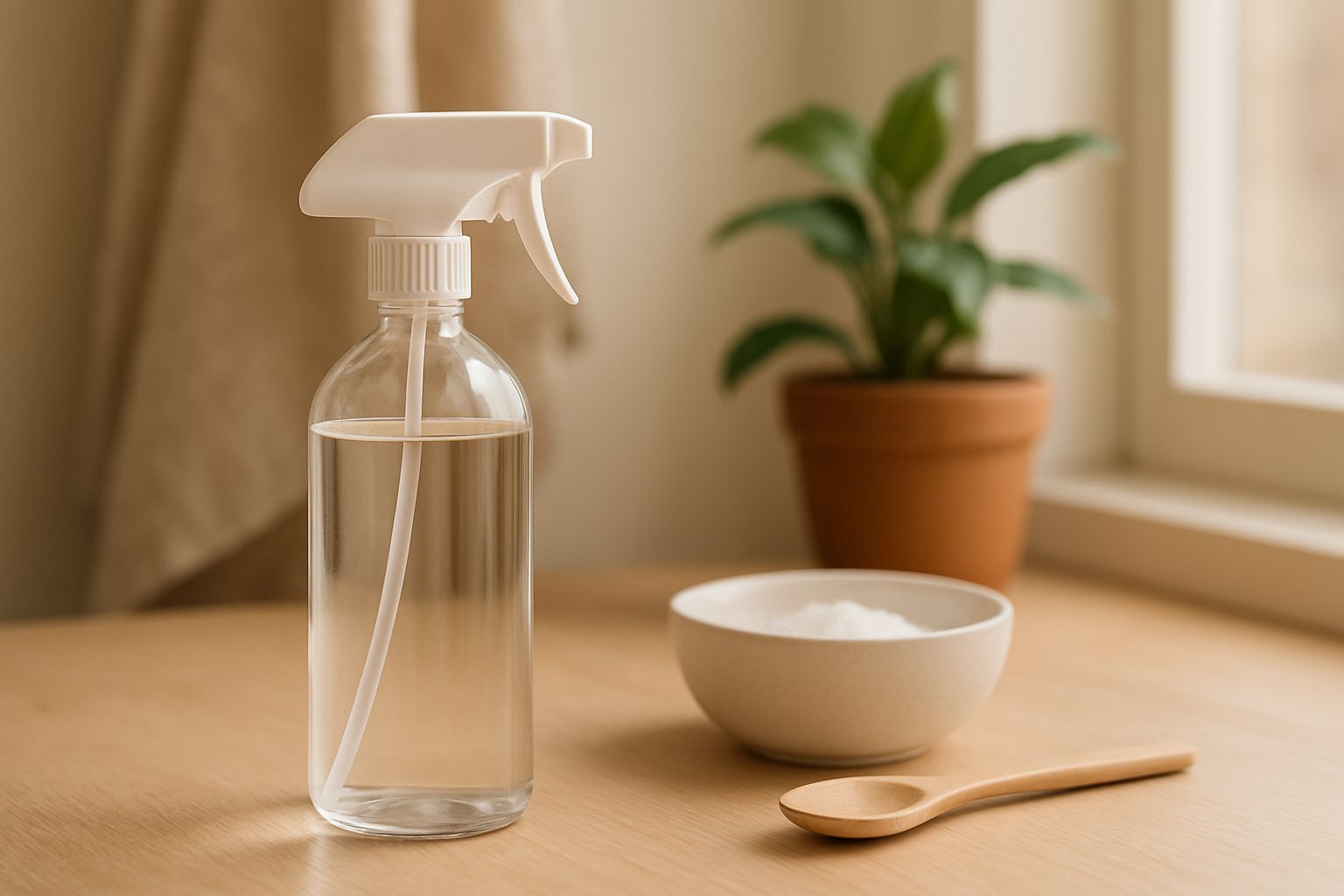
- A spray bottle (preferably glass or opaque to protect from light)
- Measuring cup
- Funnel (optional)
Preparation Steps
Step 1: Gather Your Ingredients
Start by collecting all the necessary ingredients. White vinegar is a natural antifungal agent that helps kill mold spores, while tea tree oil enhances its effectiveness. Water dilutes the mixture to a safe concentration for surfaces. If you don’t have tea tree oil, you can substitute it with other essential oils like clove, eucalyptus, or lavender, which also have antimicrobial properties.
Step 2: Choose the Right Spray Bottle
Select a spray bottle that is preferably made of glass or opaque material. Glass is ideal because it doesn’t react with vinegar, and an opaque bottle protects the solution from light, which can degrade essential oils over time. If you only have a plastic bottle, ensure it’s food-grade and labeled as safe for vinegar use.
Assembly
Step 3: Mix the Ingredients
Using a funnel, pour 1 cup of white vinegar into the spray bottle. Add 1 cup of water to dilute the vinegar. Then, add 10-15 drops of tea tree oil (or your chosen essential oil). Secure the lid and shake the bottle gently to mix the ingredients thoroughly. This creates a potent anti-mold solution that is safe for most surfaces.
Step 4: Label and Store
Label the spray bottle with the contents and the date it was made. Store it in a cool, dark place away from direct sunlight. The solution should last for several months, but if you notice any changes in smell or color, it’s best to make a fresh batch.
Mistakes to Avoid
When making and using your anti-mold spray, avoid these common mistakes:
- Using undiluted vinegar on delicate surfaces like wood or stone, as it can cause damage over time.
- Skipping the essential oil, as it enhances the antifungal properties of the spray.
- Storing the spray in a clear plastic bottle, which can degrade the essential oils due to light exposure.
- Applying the spray in direct sunlight, as this can cause streaks or residue on surfaces.
Pro Tips
Here are some expert tips to maximize the effectiveness of your anti-mold spray:
- Test the spray on a small, hidden area first to ensure it doesn’t discolor or damage the surface.
- For stubborn mold, let the spray sit for 10-15 minutes before wiping it off.
- Use the spray regularly in high-moisture areas like bathrooms, kitchens, and basements to prevent mold growth.
- Combine this spray with proper ventilation and dehumidifiers for the best results.
Conclusion
A preventive anti-mold spray is a simple, natural, and cost-effective way to keep your home free from mold. By following this guide, you can create a safe and effective solution that protects your living spaces without harsh chemicals. Regular use, combined with good ventilation and moisture control, will help you maintain a healthy, mold-free home.