Introduction
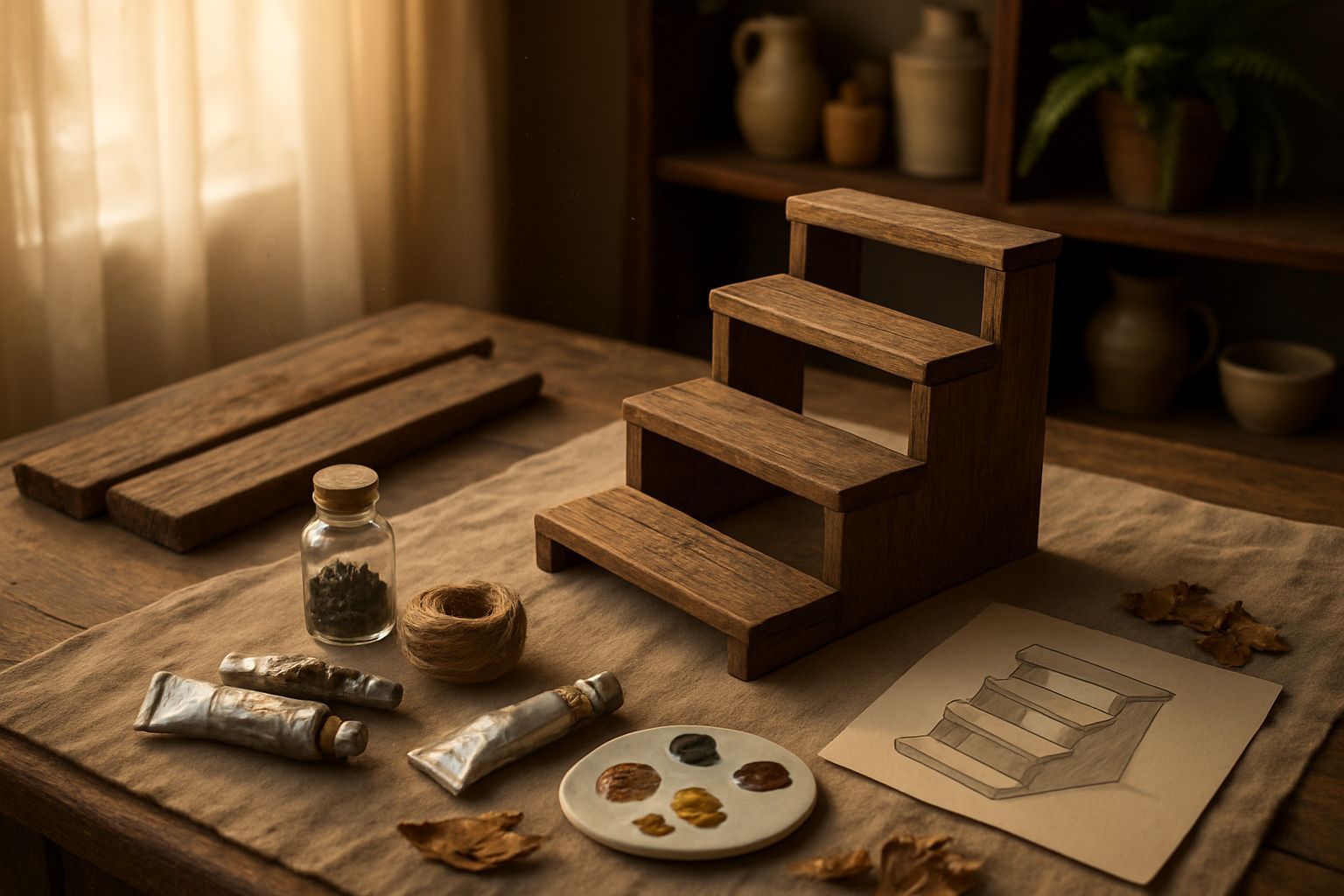
A decorative staircase plant shelf is a fantastic way to add a touch of nature to your home while maximizing vertical space. This DIY project is perfect for plant lovers who want to create a lush, green display along their staircase. Whether you have a modern or traditional home, this plant shelf will complement any style. Follow this step-by-step guide to build your own and transform your staircase into a stunning focal point.
Materials Needed
- Wooden boards (length and width according to your staircase dimensions)
- Screws and wood glue
- Drill and screwdriver
- Measuring tape and pencil
- Saw (hand saw or power saw)
- Sandpaper (medium and fine grit)
- Paint or stain (optional)
- Plant pots or planters
- L-brackets or floating shelf hardware (if not using a ledge)
Preparation Steps
Step 1: Measure Your Staircase
Start by measuring the width and height of your staircase to determine the size of your plant shelf. Decide whether you want a single ledge or multiple shelves. Sketch a rough design to visualize the final look.
Step 2: Cut the Wood
Using your measurements, mark the wooden boards with a pencil and cut them to the desired length using a saw. Ensure the cuts are precise for a clean finish. Sand the edges to remove any splinters or rough spots.
Assembly
Step 3: Secure the Shelf to the Wall
If you’re attaching the shelf directly to the wall, use L-brackets or floating shelf hardware. Mark the positions on the wall where the brackets will go, ensuring they are level. Drill pilot holes and secure the brackets with screws. Place the wooden board on top and attach it to the brackets.
Step 4: Attach the Shelf to the Staircase
If your staircase has a ledge or handrail, you can attach the shelf directly to it. Use wood glue and screws to secure the shelf in place. Ensure it’s level and stable before moving on to the next step.
Mistakes to Avoid
1. Improper Measurements: Always double-check your measurements to ensure the shelf fits perfectly. 2. Weak Attachment: Use sturdy brackets or hardware to prevent the shelf from falling. 3. Ignoring Weight Limits: Ensure the shelf can support the weight of the plants and pots. 4. Skipping Sanding: Rough edges can damage plants and make the shelf look unfinished.
Pro Tips
1. Choose the Right Plants: Opt for low-maintenance plants like succulents, pothos, or snake plants that thrive in indirect light. 2. Add Lighting: Install small LED lights under the shelf to highlight the plants at night. 3. Mix Textures: Combine different pot materials like ceramic, terracotta, and woven baskets for a visually appealing display. 4. Regular Maintenance: Dust the leaves and check for pests to keep your plants healthy.
Conclusion
Building a decorative staircase plant shelf is a rewarding project that enhances your home’s aesthetics and brings nature indoors. With the right materials and careful planning, you can create a stunning display that showcases your favorite plants. Follow these steps, avoid common mistakes, and use the pro tips to achieve a beautiful and functional staircase plant shelf. Happy crafting!