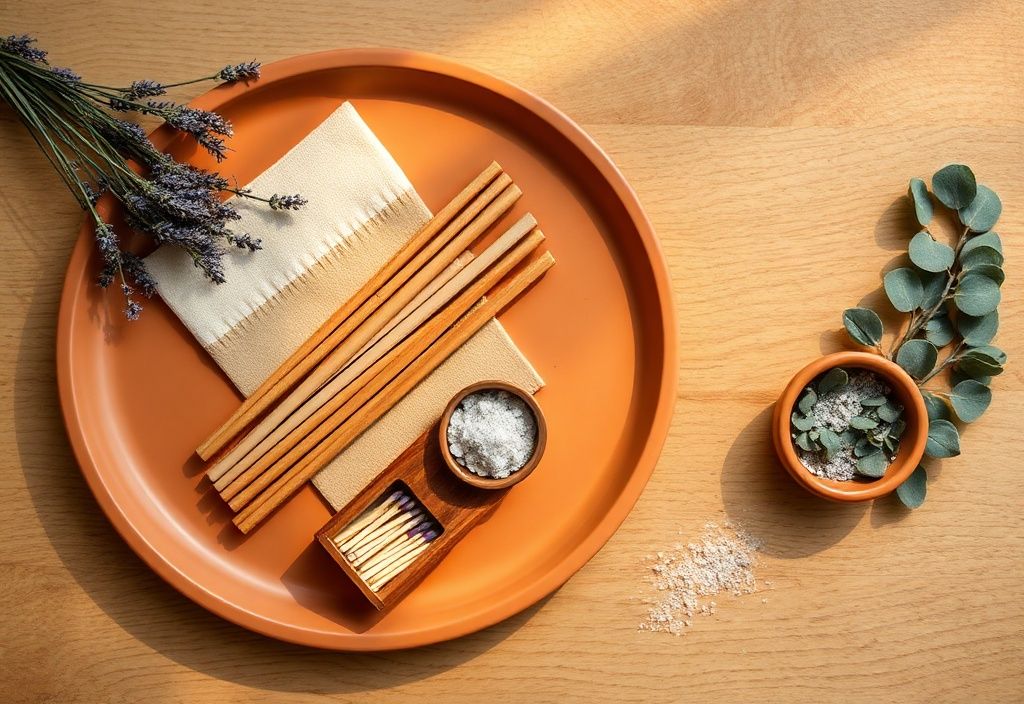
Incense sticks are a wonderful way to bring natural fragrance into your home, purify the air, and create a calming atmosphere. While store-bought incense is widely available, making your own homemade incense sticks using dried plants allows you to customize scents, avoid synthetic chemicals, and connect with nature in a mindful way. Whether you're looking to relax, meditate, or simply enjoy a fresh aroma, homemade incense sticks are a sustainable and creative project.
In this guide, we’ll walk you through how to make your own incense sticks using dried plants from your garden or local herbal shop. You’ll learn what materials you need, how to prepare the ingredients, and step-by-step instructions for rolling and assembling your sticks. We’ll also share common mistakes to avoid and pro tips to ensure your incense burns cleanly and smells amazing. Let’s get started!
Materials Needed
Before you begin, gather the following materials. Most can be found in your kitchen, garden, or at a health food store.
- Dried plant material (choose one or mix several):
- Sandalwood powder
- Frankincense resin (optional)
- Lavender buds
- Rose petals
- Palo Santo powder
- Juniper berries
- Cinnamon powder (optional)
- Clove powder (optional)
- Binder (to hold the mixture together):
- Gum tragacanth (recommended)
- Makko powder (from the Japanese incense tradition)
- Cornstarch or rice flour (as a substitute)
- Water or alcohol (for mixing):
- Distilled water
- Isopropyl alcohol (optional, for faster drying)
- Incense sticks (bamboo or wooden):
- Unscented incense sticks from a craft store
- Essential oils (optional, for enhanced aroma):
- Lavender essential oil
- Orange or cedarwood oil
- Tools:
- Mixing bowl
- Mortar and pestle (for grinding herbs)
- Small saucepan or double boiler
- Measuring spoons
- Small brush or spoon
- Scissors
- Clean workspace
Preparation Steps
Preparing your plant material correctly is essential for the quality and burnability of your incense sticks. Follow these steps to get ready.
Step 1: Dry and Grind Your Plants
If you’re using fresh herbs, leaves, or flowers, you must dry them first. Spread them out in a single layer on a clean tray and place them in a warm, dry, and dark place. This can take 2–7 days depending on the plant. Avoid direct sunlight, which can degrade essential oils.
Once fully dry, gently crush or grind your plant material into a fine powder using a mortar and pestle. For woody plants like sandalwood or palo santo, you may need to chop them finely first. The finer the powder, the better it will bind with the incense mixture.
Tip: Store dried herbs in airtight containers away from light and moisture to preserve their aroma.
Step 2: Choose and Prepare Your Binder
The binder is what holds your incense mixture together so it can be rolled onto the stick. Gum tragacanth is the most popular choice because it burns cleanly and produces minimal smoke. It’s available online or in specialty herb stores.
To prepare gum tragacanth:
- Mix 1 part gum tragacanth powder with 3–4 parts warm water.
- Let it soak for several hours or overnight to dissolve into a thick, glue-like consistency.
- Stir well before using.
Alternatively, use makko powder (a traditional Japanese binder). It’s easier to work with and blends well with plant materials. Mix 1 part makko with 3 parts water to form a smooth paste.
If you’re in a hurry, cornstarch or rice flour can be used as a temporary substitute, but the incense may not burn as cleanly.
Assembly
Step 3: Mix the Incense Paste
Now it’s time to combine your ingredients into a smooth, spreadable paste.
- In a mixing bowl, combine 3–4 cups of your dried plant powder. Start with a base like sandalwood or a neutral herb, then add aromatic plants like lavender, rose, or palo santo.
- Add 2–3 tablespoons of your prepared binder (gum tragacanth or makko paste).
- Gradually add water (about ¼ to ½ cup) while stirring constantly. The mixture should be thick and sticky, like hummus or wet sand. It should hold its shape when pressed but be soft enough to spread.
- Optional: Add 5–10 drops of essential oil for a stronger scent. Stir well to distribute.
- Test the consistency: Take a small amount and try to roll it between your fingers. It should form a ball without crumbling. If it’s too dry, add a little more water or binder. If too wet, add more powder.
Step 4: Roll the Incense onto Sticks
With your paste ready, it’s time to apply it to the incense sticks.
- Prepare your workspace: Lay out your incense sticks on a clean, flat surface. Have a small bowl of water and a spoon or brush nearby.
- Apply the paste: Take one stick and hold it vertically. Using your fingers or a small brush, apply a thin layer of the paste to one side of the stick, starting from the middle and working toward the bottom third (about 5–7 cm).
- Roll the stick: While the paste is still wet, gently roll the stick back and forth on a flat surface to evenly coat the stick with paste. You can also roll it between your palms for better coverage.
- Thickness: Aim for a coating about 1–2 mm thick. Too thick will cause uneven burning; too thin may flake off.
- Repeat and dry: Let the first side dry for 10–15 minutes, then turn the stick and apply paste to the other side. Allow to dry completely (2–4 hours or overnight).
Tip: To speed up drying, place the sticks in a warm, ventilated area or use a fan on low. Avoid direct heat, which can cause cracking.
Mistakes to Avoid
Even small errors can affect the quality of your incense. Here are common pitfalls and how to prevent them.
- Using fresh plants without drying: Fresh herbs contain moisture, which can prevent proper burning and encourage mold.
- Incorrect binder ratio: Too little binder will make the incense crumble; too much can create excessive smoke or a gummy texture.
- Overloading the stick: A thick coating won’t burn evenly and may produce too much smoke or smell acrid.
- Skipping drying time: Rushing the drying process can lead to cracking or peeling incense.
- Using non-porous sticks: Avoid plastic or coated wooden sticks. Use untreated bamboo or natural wood sticks only.
- Ignoring plant toxicity: Avoid toxic plants like foxglove, lily of the valley, or oleander. Stick to known safe herbs.
Pro Tips
Take your homemade incense to the next level with these expert suggestions.
- Experiment with blends: Combine complementary scents. For example, lavender + rose for relaxation, or cinnamon + clove for warmth. Keep a notebook to track recipes.
- Use resin for depth: Adding a small amount of frankincense or myrrh resin (5–10% of the mixture) enhances fragrance and burn quality.
- Add charcoal for self-lighting: If you want your incense to light easily, mix a small amount of activated charcoal powder into the paste.
- Try rice paper cones: For a different style, spread the paste on rice paper, roll into cones, and let dry. These burn beautifully and look elegant.
- Store incense properly: Keep finished sticks in an airtight container away from light and heat to preserve their scent and potency.
- Burn safely: Always burn incense on a fireproof surface, away from curtains, pets, and children. Never leave burning incense unattended.
- Start small: Begin with a small batch (10–15 sticks) to test your recipe before making larger quantities.
Creating your own incense sticks is a rewarding and aromatic craft that connects you to nature’s gifts. With a little patience and creativity, you can design personalized scents that suit your mood, space, and intentions. Whether you're crafting for meditation, relaxation, or simply to enjoy a fresh fragrance, homemade incense offers a meaningful alternative to commercial products.
Start with simple blends, learn from each batch, and soon you’ll be making incense that not only smells divine but also carries the energy of your own hands and heart. Happy crafting!