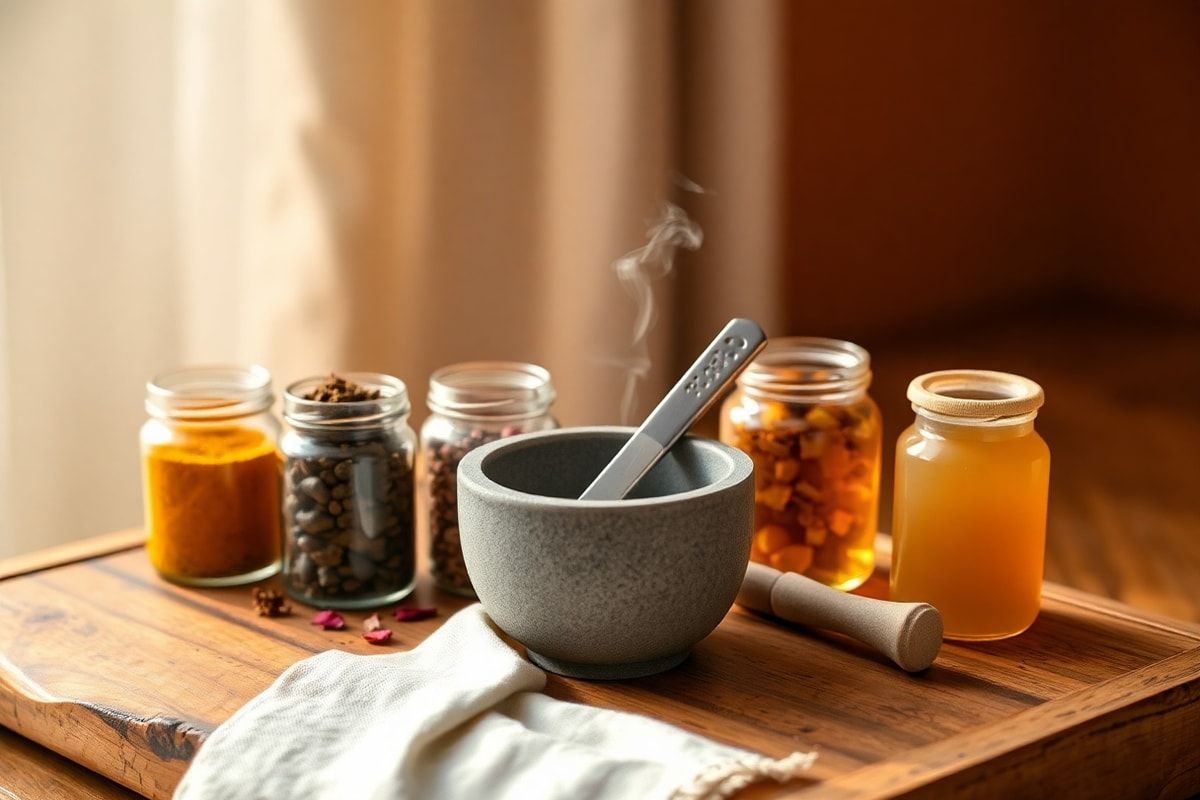
Do you struggle with visibly open pores, especially on your nose, cheeks, or forehead? Open pores can make skin look dull, accentuate fine lines, and trap dirt, leading to breakouts. While genetics play a role, environmental damage, excess oil, and poor skincare habits can worsen their appearance. That’s where a heating mask comes in.
A heating mask gently warms the skin, boosts circulation, and helps open pores temporarily—making it easier to cleanse deeply and absorb treatments. It also promotes a healthy, radiant glow by stimulating blood flow. Best of all, you can make one at home with simple, natural ingredients. In this tutorial, we’ll guide you through creating a safe, effective heating mask for open pores using steam and nourishing clays.
Materials Needed
- Steam source: A bowl of hot water or a facial steamer
- Clay base (choose one): Bentonite clay, kaolin clay, or French green clay
- Soothing ingredient: Honey, aloe vera gel, or yogurt
- Moisturizing agent: Olive oil, jojoba oil, or coconut oil (optional)
- Essential oils (optional): Lavender, tea tree, or chamomile (3–5 drops)
- Clean towel or cloth
- Bowl and spoon for mixing
- Facial brush or spatula (for application)
- Lukewarm water for rinsing
✅ Pro tip: Always patch-test your ingredients on your wrist 24 hours before use to avoid irritation or allergic reactions.
Preparation Steps
Step 1: Cleanse Your Skin
Start with a clean face. Use a gentle cleanser to remove makeup, dirt, and oil. This ensures your pores are free from surface debris and ready to absorb the benefits of the mask. Pat your skin dry with a clean towel.
Why it matters: A clean base prevents clogged pores and allows the steam to penetrate more effectively. Avoid using harsh scrubs or exfoliants right before—gentle cleansing is key.
Step 2: Prepare the Steam
Boil water and pour it into a large bowl. For extra purification, add a few drops of tea tree or eucalyptus essential oil to the water. Let the water cool slightly—it should be hot enough to create steam but not scalding (around 110–120°F or 43–49°C).
Alternative: Use a facial steamer if you have one. This provides controlled steam without the risk of spills or burns.
💡 Safety note: Keep your face 8–10 inches away from the steam to avoid burning. Use a towel to trap steam if needed.
Assembly
Step 3: Mix the Heating Mask
In a clean bowl, combine your chosen clay with a soothing base:
- For oily skin: Mix 2 tablespoons bentonite clay + 1 tablespoon honey + 1 teaspoon jojoba oil + 2–3 tablespoons hot water
- For dry or sensitive skin: Mix 2 tablespoons kaolin clay + 1 tablespoon aloe vera gel + 1 teaspoon olive oil + warm water
- For combination skin: Mix 1 tablespoon bentonite clay + 1 tablespoon kaolin clay + 1 tablespoon yogurt + warm water
Stir until you get a smooth, spreadable paste. The consistency should be like thick yogurt—not too runny or stiff.
Optional boosters: - Add 3–5 drops of lavender oil for calming. - Include ½ teaspoon apple cider vinegar for mild exfoliation (avoid if skin is sensitive).
Step 4: Apply the Mask
Using a clean brush or spatula, apply the mask evenly to your face, avoiding the eye area and lips. Focus on areas with open pores like the T-zone. Leave a thin layer on the cheeks and forehead as well.
Once applied, quickly drape a clean towel over your head to trap steam. Keep the mask on for 10–15 minutes—or until it starts to feel warm and slightly tight. This is when the clay pulls impurities and the heat opens pores.
⚠️ Warning: Do not leave the mask on too long. Over-steaming can cause redness or dryness, especially for sensitive skin.
Mistakes to Avoid
- Using boiling water directly on the face: Always let steam cool slightly to prevent burns.
- Leaving the mask on too long: 15 minutes is the max. Over-tightening can damage the skin barrier.
- Skipping the cleanse: Applying a mask on dirty skin blocks pores and reduces effectiveness.
- Using metal bowls or spoons: Clay can react with metal. Use glass or wooden utensils instead.
- Ignoring your skin type: Dry skin needs more moisture; oily skin benefits from stronger clays like bentonite.
- Over-exfoliating before/after: Wait 2–3 days after using a heating mask before exfoliating to avoid irritation.
Pro Tips
- Frequency: Use this mask once every 1–2 weeks. Overuse can strip the skin and weaken the barrier.
- Follow-up care: After rinsing, splash your face with cold water to tighten pores and soothe the skin. Apply a lightweight, non-comedogenic moisturizer.
- Best time to apply: Evening is ideal—your skin repairs itself overnight.
- Combine with extraction (optional): After removing the mask, gently press a clean tissue around pores on the nose and chin to remove loosened blackheads. Never squeeze hard.
- Store leftovers: If you have extra mask, store it in an airtight glass jar in the fridge for up to 3 days. Warm slightly before reapplying.
- Upgrade with niacinamide: Add 1–2 drops of niacinamide serum to your skin after the mask for enhanced pore refinement and glow.
- Avoid if you have: Rosacea, severe acne, or broken capillaries. Consult a dermatologist first.
🌿 Ingredient Spotlight:
- Bentonite clay: Highly absorbent, draws out impurities, and tightens pores.
- Kaolin clay: Gentle and ideal for sensitive or dry skin.
- Honey: Antibacterial, hydrates, and helps clays adhere to the skin.
- Tea tree oil: Kills acne-causing bacteria and reduces inflammation.
Adding these ingredients not only enhances results but also makes the mask more balanced and skin-friendly.
❌ Never use: Lemon juice (too acidic), undiluted essential oils, or baking soda (too abrasive). These can damage the skin’s acid mantle and cause irritation.
You can also explore pre-made heating masks like those from brands such as Freeman, The Body Shop, or Origins, which offer convenient alternatives with ingredients like charcoal, eucalyptus, and aloe.
Final Thought: A heating mask is a powerful yet gentle way to refresh your complexion, tighten pores, and prep skin for better absorption of serums and moisturizers. Done regularly and safely, it can help maintain a smoother, more refined skin texture over time.
Remember: Pores don’t actually open and close like doors—they’re always open, but appear larger when clogged or stretched. The goal isn’t to “close” them permanently but to keep them clean, tight, and less visible.
Ready to glow? Try this mask tonight and wake up to fresher, more balanced skin tomorrow.
✨ HomeReadyHub Tip: Pair this treatment with a cooling toner or pore-minimizing serum for next-level results. Consistency is your best ally in achieving clear, healthy skin!