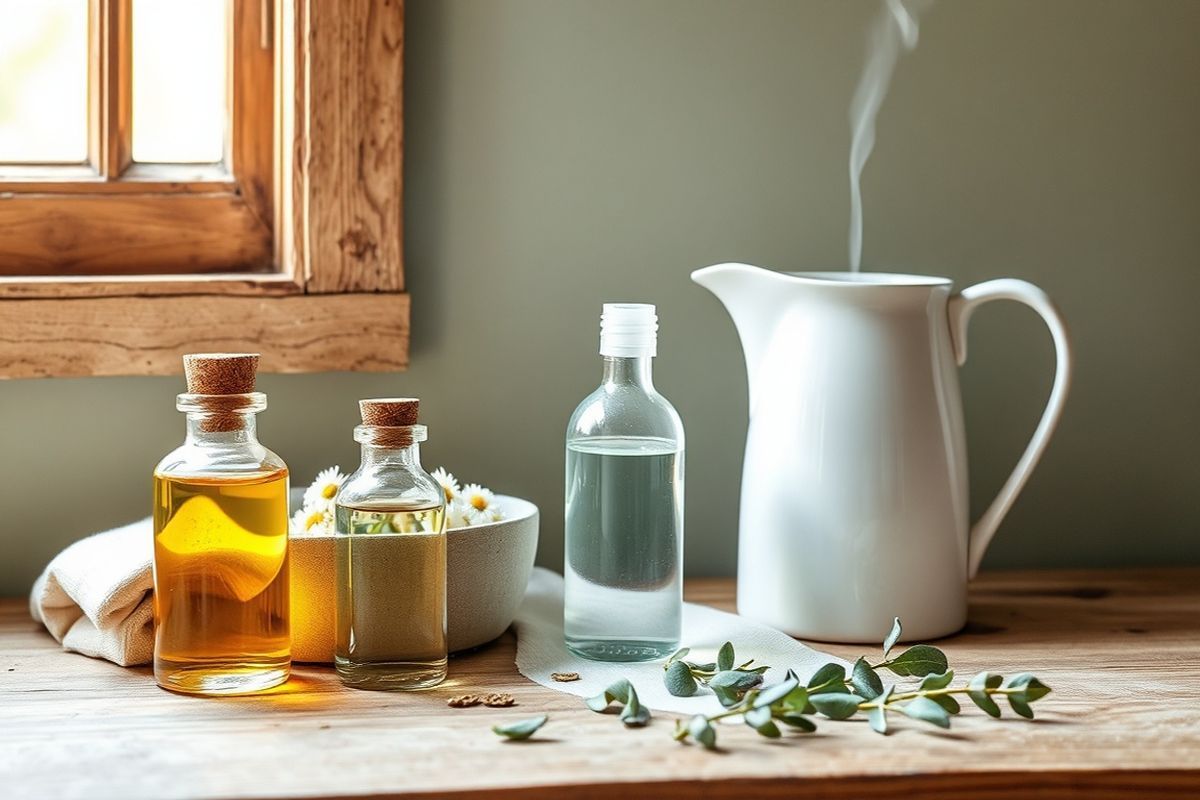
Keeping your bathroom clean and fresh is essential, but harsh chemical cleaners can be tough on the environment and your health. If you're looking for a natural alternative that still delivers powerful cleaning results, a homemade essential oil toilet bowl cleaner is the perfect solution. Not only is it effective at removing stains and odors, but it also leaves your bathroom smelling delightful with the crisp, clean aroma of essential oils.
In this guide, we’ll walk you through how to make a simple, effective, and eco-friendly toilet bowl cleaner using essential oils. You’ll need just a few ingredients, and the process is quick and easy. Best of all, this cleaner is safe for your family and the planet.
Materials Needed
- 1 cup white vinegar – A natural disinfectant and deodorizer
- 1 cup baking soda – A gentle abrasive and odor absorber
- 10–15 drops of essential oil – Choose a cleansing and refreshing scent like tea tree, lemon, eucalyptus, or lavender
- 1/4 cup liquid Castile soap – Adds cleaning power and helps disperse the mixture
- Optional: 1/4 cup hydrogen peroxide – Enhances stain removal and whitening
- Spray bottle (8 oz or larger) – For easy application
- Toilet brush – For scrubbing after application
- Measuring cups and spoons – For accurate mixing
Preparation Steps
Step 1: Choose Your Essential Oils
Essential oils not only add a pleasant fragrance to your homemade cleaner but also offer antimicrobial and antifungal properties. Here are some excellent options for toilet cleaning:
- Tea Tree Oil: Known for its strong antibacterial and antifungal properties, ideal for disinfecting.
- Lemon Oil: Cuts through grease, leaves a fresh citrus scent, and is a natural deodorizer.
- Eucalyptus Oil: Antiseptic and antiviral, with a clean, invigorating aroma.
- Lavender Oil: Calming and antibacterial, perfect for a spa-like bathroom feel.
- Peppermint Oil: Adds a crisp, clean scent and has antimicrobial benefits.
You can use a single oil or create a blend. A good rule of thumb is to use 10–15 drops total. For example, try 5 drops lemon, 5 drops tea tree, and 5 drops lavender for a balanced, fresh scent.
Step 2: Sanitize Your Spray Bottle
Before mixing your cleaner, it’s a good idea to sanitize the spray bottle. Rinse it with hot water and a splash of vinegar or rubbing alcohol to remove any residue. This ensures your cleaner stays fresh and effective from the first use.
Assembly
Step 3: Mix the Dry Ingredients
In a small bowl, combine the baking soda and essential oils. Stir well so the oils are evenly distributed through the baking soda. This helps prevent the oils from separating when you add the liquid ingredients. Let the mixture sit for a few minutes to allow the oils to absorb.
Step 4: Add Liquid Ingredients
In your spray bottle, pour in the white vinegar and liquid Castile soap. If using, add the hydrogen peroxide now. Swirl gently to mix the liquids. Then, add the essential oil-infused baking soda mixture to the bottle. Seal the bottle and shake well until fully combined. The mixture will fizz slightly due to the reaction between the vinegar and baking soda—this is normal and helps activate the cleaning power.
Once mixed, your essential oil toilet bowl cleaner is ready to use. Store it in a cool, dry place and shake before each use to ensure the ingredients stay suspended.
How to Use Your Essential Oil Toilet Bowl Cleaner
1. Flush the toilet to wet the bowl before cleaning.
2. Spray the cleaner generously under the rim and along the sides of the bowl, focusing on stained or dirty areas.
3. Let it sit for 5–10 minutes to allow the cleaner to break down grime and kill germs.
4. Scrub with a toilet brush, paying attention to the waterline and any stubborn spots.
5. Flush to rinse away the cleaner and debris.
For tough stains or limescale buildup, you may need to let the cleaner sit for 15–20 minutes or use the toilet brush to gently scrub before flushing.
Mistakes to Avoid
- Using too much vinegar in a non-glass bottle: While vinegar is safe for glass, plastic bottles can degrade over time. Stick to glass or high-quality plastic spray bottles.
- Mixing ingredients too far in advance: The fizzing reaction lessens over time. Use your cleaner within a few days of mixing for best results.
- Skipping the essential oil: While the vinegar and baking soda will clean, essential oils add sanitizing and fragrance benefits. Don’t omit them.
- Using undiluted essential oils directly in the bowl: They can stain or damage surfaces. Always mix with a carrier (like baking soda or soap) first.
- Not testing on surfaces: Though generally safe, test a small area if you have sensitive surfaces or colored toilet bowls.
Pro Tips
- Boost cleaning power: Add 1/4 cup of citric acid to the mix for extra stain-fighting and descaling ability. Stir well and let it sit before adding liquids to prevent excessive fizzing.
- Customize your scent: Mix citrus oils for a bright, uplifting aroma, or use floral oils like lavender for a calming bathroom ambiance.
- Use regularly: Spray your toilet 2–3 times a week to prevent buildup and keep it smelling fresh.
- Combine with baking soda paste: For tough stains, sprinkle baking soda in the bowl, spray with vinegar, let fizz, then scrub. This doubles down on cleaning power.
- Store properly: Keep your cleaner in a cool, dark place to preserve the potency of the essential oils.
Safety and Environmental Notes
One of the biggest advantages of this DIY cleaner is that it’s non-toxic and safe for homes with children and pets once the cleaner has dried. However, keep essential oils out of reach of pets, as some oils (like tea tree) can be toxic to animals in high concentrations.
This cleaner is also septic-safe and biodegradable, making it an eco-friendly choice that reduces plastic waste from commercial cleaners.
Final Thoughts
A homemade essential oil toilet bowl cleaner is a smart, sustainable swap that doesn’t compromise on cleanliness or freshness. With just a few natural ingredients and a couple of minutes of your time, you can create a powerful cleaner that rivals store-bought versions—minus the harsh chemicals and plastic waste.
Plus, the natural fragrance from the essential oils leaves your bathroom smelling amazing long after cleaning. Whether you prefer the zesty scent of lemon, the purifying power of tea tree, or the soothing aroma of lavender, there’s a blend that’s perfect for you.
Ready to make the switch? Gather your ingredients, follow these simple steps, and enjoy a cleaner, greener bathroom every day.
Note: Always patch-test new cleaners in an inconspicuous area before full use, especially on colored or delicate surfaces.