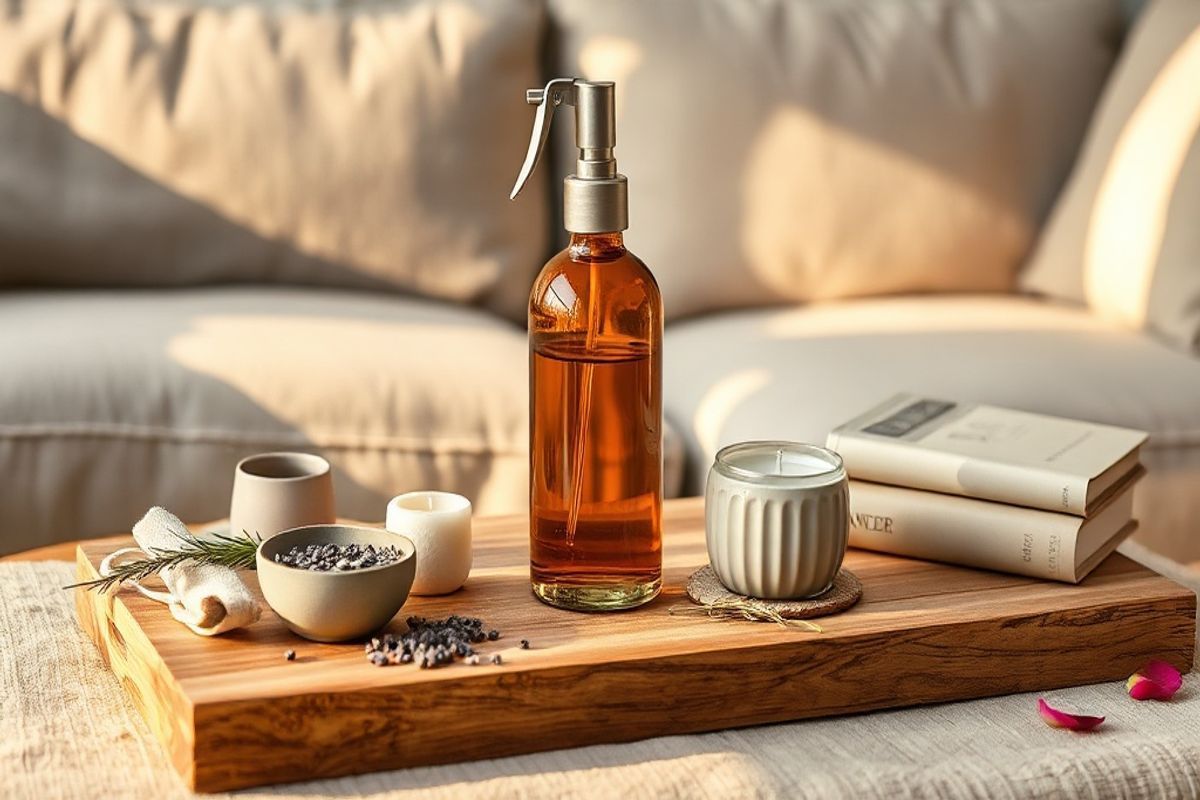
Have you ever noticed that your favorite sweater or couch cushion just doesn’t smell as fresh as it used to? Over time, textiles absorb odors from sweat, cooking, pets, and the environment—leaving them less than pleasant. While store-bought fabric fresheners can work, many contain synthetic fragrances, chemicals, and aerosols that may not be ideal for your home or health.
That’s where a DIY textile deodorizing spray comes in. It’s easy to make, uses natural ingredients, and allows you to customize scents to your liking. Whether you're freshening up clothes, upholstery, curtains, or linens, this gentle spray can help neutralize odors without leaving residue or harming delicate fabrics.
In this guide, we’ll walk you through everything you need to know to make your own effective and eco-friendly fabric freshener at home. Let’s get started!
Materials Needed
- Distilled water (½ cup) – Helps prevent mold and bacteria growth
- High-proof alcohol (vodka or rubbing alcohol) (¼ cup) – Acts as a preservative and helps the spray penetrate fibers
- Essential oils (30–40 drops total) – Choose oils known for their deodorizing and antibacterial properties
- Spray bottle (8 oz, preferably glass or PET plastic) – Avoid metal containers that can corrode
- Optional: Witch hazel (¼ cup) – Helps with scent distribution and mild preservation
Preparation Steps
Step 1: Choose Your Essential Oils
Essential oils are the heart of your deodorizing spray. They provide fragrance, antimicrobial properties, and help neutralize odors. Consider these popular options:
- Lavender – Calming, antibacterial, great for bedding and clothes
- Tea Tree – Strong antiseptic, excellent for musty or mildewy smells
- Lemon – Bright and fresh, cuts through grease and cooking odors
- Eucalyptus – Invigorating and helps with respiratory odors
- Peppermint – Energizing and effective against mustiness
- Citrus oils (Orange, Bergamot) – Uplifting and great for general freshness
For best results, blend 3–4 oils to create a balanced scent profile. For example, try 10 drops lavender, 10 drops lemon, and 10 drops tea tree oil.
Step 2: Sterilize Your Spray Bottle
Cleanliness is key to prevent contamination. Wash your spray bottle with warm, soapy water, then rinse well. To sanitize, you can:
- Boil the bottle in water for 5 minutes, or
- Soak it in a 1:1 solution of white vinegar and water for 10 minutes, then rinse.
Let the bottle air dry completely before filling.
Assembly
Step 3: Mix the Base Solution
In a clean mixing bowl or directly in the spray bottle, combine:
- ½ cup distilled water
- ¼ cup vodka or rubbing alcohol (70% or higher)
The alcohol acts as a preservative, helps the spray evaporate without leaving the fabric damp, and allows the essential oils to disperse properly.
Step 4: Add Essential Oils and Shake Well
Add your chosen essential oils (30–40 drops total) to the mixture. If using witch hazel, replace half the alcohol with it.
Secure the spray nozzle and shake the bottle gently to blend the ingredients. Avoid vigorous shaking to prevent excessive sudsing.
Label your spray with the date and oil blend (e.g., “Lavender-Lemon Freshener – 04/2025”).
Using Your Textile Deodorizing Spray
Your spray is now ready to use! Here’s how to apply it safely:
- Test first: Spray a small, hidden area of the fabric to check for colorfastness.
- Hold 8–12 inches away: This prevents oversaturation and uneven wetting.
- Light mist: Use 2–3 short bursts per section. Less is more—fabrics should feel slightly damp, not wet.
- Let air dry: Avoid using heat; allow fabrics to dry naturally for best results.
- Frequency: Use once a week on lightly worn items, or as needed for strong odors.
Mistakes to Avoid
- Using tap water: It may contain minerals or bacteria that can cause spotting or spoilage.
- Over-saturating fabrics: Too much moisture can lead to mildew or fabric damage.
- Storing in direct sunlight: This can degrade essential oils and the plastic bottle over time.
- Mixing incompatible oils: Avoid citrus oils before sun exposure to prevent photosensitivity risks.
- Using old or oxidized oils: These can lose potency and develop off-odors.
Pro Tips
- Boost freshness: Add 1 teaspoon of baking soda to the mix for extra odor absorption. Stir well to dissolve.
- For musty items: Try soaking the fabric in a bowl with water and 10 drops of tea tree oil for 15 minutes, then air dry.
- Extend shelf life: Store your spray in a cool, dark place. It should last 3–6 months.
- Scent layering: Rotate your blends seasonally—citrus in summer, warming spices in winter.
- Pet-friendly option: Use only pet-safe oils like lavender or chamomile (avoid tea tree, citrus, or pine oils around pets).
Your homemade textile deodorizing spray is a versatile, chemical-free way to keep fabrics smelling fresh. Whether you're refreshing gym clothes, curtains, or couch cushions, this natural solution is gentle on both fabrics and the environment.
Next time your textiles need a pick-me-up, skip the store-bought aerosols and reach for your DIY spray. With just a few ingredients and minutes of prep, you’ll have a customizable, effective freshener ready whenever you need it.
Try it today and breathe easier—your nose will thank you!