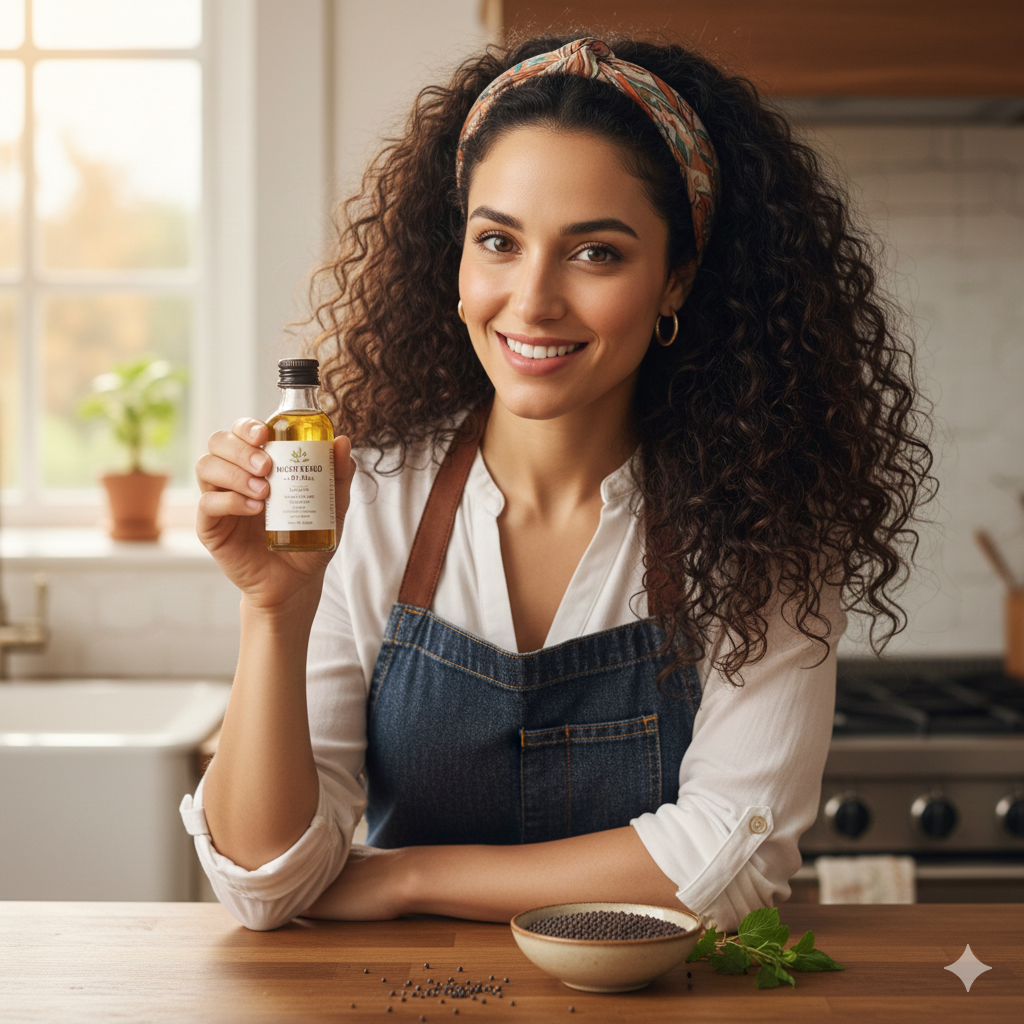
Hello, beautiful people! Sara here from HomeReadyHub, and today we’re diving into the wonderful world of DIY skincare. If you're anything like me, you're always looking for ways to nourish your skin with natural ingredients, free from harsh chemicals and artificial fragrances. That's why I'm so excited to share with you one of my all-time favorite recipes: a homemade Rose Water Toning Lotion. This isn't just any toner; it's a gentle, hydrating, and incredibly soothing elixir that will leave your skin feeling refreshed, balanced, and ready to glow. Rose water has been cherished for centuries for its anti-inflammatory, antioxidant, and hydrating properties. It's a natural astringent that helps to tighten pores, balance pH levels, and even reduce redness. When combined with a few other simple ingredients, it transforms into a powerhouse lotion that's perfect for all skin types, especially sensitive or dry skin. Making your own skincare products is not only cost-effective but also incredibly empowering. You know exactly what’s going onto your skin, giving you peace of mind and the satisfaction of creating something truly beneficial. So, let’s gather our ingredients and get ready to whip up a batch of this amazing rose water toning lotion!
Materials Needed
- 1/2 cup high-quality rose water (ensure it's 100% pure, distilled, and food-grade for best results)
- 2 tablespoons witch hazel (alcohol-free is preferred for sensitive skin)
- 1 tablespoon vegetable glycerin (a natural humectant that draws moisture to the skin)
- 1/2 teaspoon Vitamin E oil (an antioxidant that helps preserve the lotion and nourishes skin)
- 5-10 drops essential oil of choice (optional, but lavender or frankincense are excellent for skin)
- Sterilized glass bottle with a tight-fitting lid or spray top (preferably dark glass to protect ingredients from light)
- Small funnel (for easy pouring)
- Measuring cups and spoons
- Small mixing bowl
- Whisk or spoon
Preparation Steps
Step 1
Before you begin, it’s crucial to sterilize all your equipment. This includes your glass bottle, lid, funnel, mixing bowl, and any utensils you’ll be using. You can do this by washing them thoroughly with hot, soapy water, rinsing well, and then either boiling them for 10 minutes or running them through a dishwasher on a hot cycle. Allow everything to air dry completely or dry with a clean, lint-free towel. This step is vital to prevent bacterial contamination, which can shorten the shelf life of your homemade lotion and potentially irritate your skin.
Step 2
Measure out your ingredients precisely. Accuracy is key in DIY skincare to ensure the right balance and efficacy of your product. Pour the 1/2 cup of pure rose water into your clean mixing bowl. Ensure your rose water is of high quality; look for brands that specify '100% pure' and 'distilled' to avoid synthetic fragrances or unnecessary additives. Next, add 2 tablespoons of alcohol-free witch hazel. Witch hazel is a fantastic natural astringent that helps to tone and tighten pores without over-drying, especially the alcohol-free variety. Finally, add 1 tablespoon of vegetable glycerin. Glycerin is a humectant, meaning it attracts moisture from the air to your skin, providing excellent hydration. Whisk these three ingredients together gently until well combined.
Assembly
Step 3
Now it’s time to add the nourishing and preserving elements. Add 1/2 teaspoon of Vitamin E oil to the mixture. Vitamin E is a powerful antioxidant that not only benefits your skin by protecting it from free radical damage but also acts as a natural preservative, helping to extend the shelf life of your lotion. If you choose to add essential oils for their therapeutic properties and natural scent, now is the time. Add 5-10 drops of your preferred essential oil. Lavender essential oil is renowned for its calming and anti-inflammatory properties, making it excellent for sensitive skin. Frankincense essential oil is another great option, known for its rejuvenating and anti-aging benefits. Stir the mixture well after adding these final ingredients to ensure everything is thoroughly incorporated.
Step 4
Carefully transfer your newly made rose water toning lotion into your sterilized glass bottle using a small funnel. This will prevent spills and ensure your bottle remains clean. Once the lotion is in the bottle, secure the lid tightly. If you're using a spray bottle, give it a good shake before each use to ensure all ingredients are well mixed. Store your toning lotion in a cool, dark place, away from direct sunlight and heat. The refrigerator is an ideal spot, as the cool temperature will not only extend its shelf life but also provide an extra refreshing sensation when applied to your skin. With proper storage and sterile preparation, your homemade rose water toning lotion should last for about 2-3 weeks.
Mistakes to Avoid
- Using non-pure rose water: Many 'rose waters' on the market contain synthetic fragrances and dyes. Always opt for 100% pure, distilled, food-grade rose water to ensure you're getting the true benefits and avoiding irritants.
- Skipping sterilization: This is perhaps the most critical step. Unsterilized equipment can introduce bacteria into your lotion, leading to spoilage and potential skin infections. Be diligent!
- Forgetting a preservative (or natural alternatives): While we use Vitamin E oil as a natural antioxidant and mild preservative, homemade water-based products are prone to bacterial growth. If you plan to make larger batches or extend the shelf life beyond 2-3 weeks, consider researching and adding a broad-spectrum natural preservative suitable for DIY skincare, like Geogard 221 or Leucidal Liquid SF, following manufacturer guidelines.
- Overdosing on essential oils: Essential oils are potent. More is not always better and can lead to skin irritation. Stick to the recommended 5-10 drops for the entire batch. If you have very sensitive skin, you might even consider omitting them.
- Not shaking before use: Some ingredients might separate over time. A quick shake before each application ensures you're getting an even distribution of all the beneficial components.
- Storing improperly: Heat and light break down ingredients and encourage bacterial growth. Always store your lotion in a cool, dark place, preferably the refrigerator.
Pro Tips
- Patch Test: Even with natural ingredients, it’s always wise to perform a patch test on a small, inconspicuous area of your skin (like behind your ear or on your inner arm) 24 hours before applying it all over your face, especially if you have sensitive skin or are trying new ingredients.
- Customize for Your Skin Type: For extra dry skin, you can slightly increase the glycerin content or add a few drops of a non-comedogenic carrier oil like jojoba or argan oil. For oily skin, you might slightly reduce the glycerin and ensure your witch hazel is completely alcohol-free.
- Beyond Toning: This rose water lotion isn't just for toning! You can use it as a refreshing facial mist throughout the day, a soothing after-sun spray, or even to dampen your makeup sponge for a dewy finish.
- Gift Idea: Homemade skincare makes a thoughtful and personal gift! Pour your lotion into beautiful glass bottles, add a custom label with ingredients and instructions, and tie with a pretty ribbon.
- Batch Size: Start with a smaller batch to ensure you like the formulation and to minimize waste if it doesn't quite suit your skin. Once you're confident, you can double the recipe.
- Consistency is Key: For best results, incorporate this toning lotion into your daily skincare routine. Apply it after cleansing and before your serum and moisturizer, both morning and night.
And there you have it – your very own, beautifully crafted Rose Water Toning Lotion! I hope you enjoy making and using this wonderful concoction as much as I do. It’s a simple step that can make a huge difference in how your skin looks and feels. Remember, skincare is a journey, and taking a natural, mindful approach can lead to truly radiant results. If you try this recipe, please let me know your thoughts in the comments below or tag HomeReadyHub on social media. I love seeing your creations! Stay beautiful, inside and out, and I'll catch you next time with another fantastic DIY project. Happy creating!