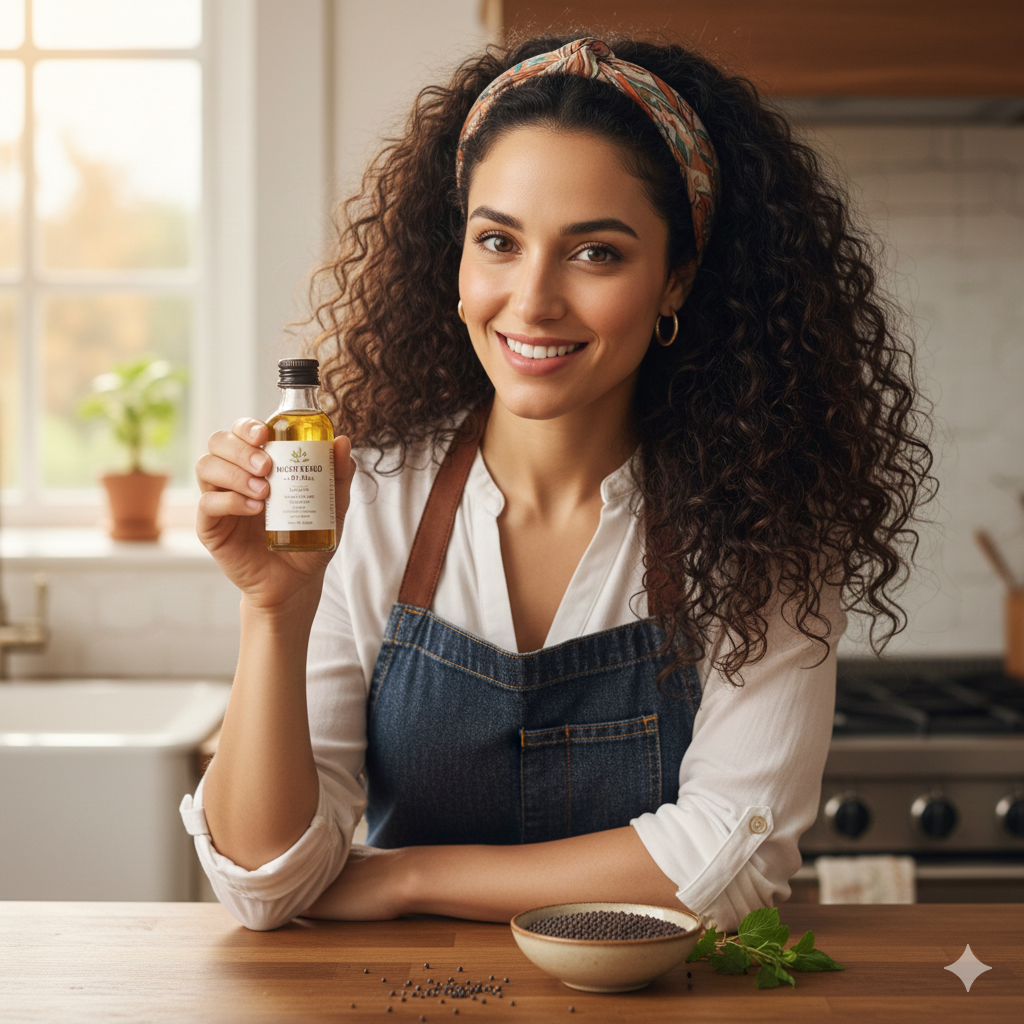
Refreshing your skin doesn’t have to involve expensive store-bought mists or synthetic ingredients. With just a few simple, natural components, you can create your own hydrosol refreshing face mist at home. This DIY skincare recipe is gentle, customizable, and packed with the benefits of floral waters and botanical extracts. Whether you’re looking to hydrate, tone, or simply revive tired skin, a hydrosol face mist is a perfect addition to your daily routine.
Hydrosols, also known as floral waters, are the byproduct of steam distillation used to extract essential oils. These waters retain some of the therapeutic properties of the plant, making them ideal for skincare. Unlike plain water, hydrosols offer mild astringent, soothing, and even anti-inflammatory benefits—perfect for calming redness or adding a burst of hydration.
In this tutorial, we’ll walk you through how to make a simple, effective hydrosol face mist using just a few ingredients. By the end, you’ll have a customizable, all-natural spray that you can tailor to your skin’s needs—whether you have oily, dry, sensitive, or combination skin.
Materials Needed
- Base Hydrosol: Choose a hydrosol suited to your skin type. Popular options include rose, lavender, chamomile, or witch hazel hydrosol.
- Distilled or boiled water: Used to dilute the mist if needed, ensuring purity and longevity.
- Vegetable glycerin (optional): Acts as a humectant to help retain moisture in the skin. Use sparingly—about ½ teaspoon per 4 ounces.
- Essential oils (optional): Add 2–3 drops of essential oils like lavender, tea tree, or frankincense for added benefits. Always dilute essential oils properly.
- A dark glass spray bottle: 2–4 oz size, to store your mist and protect it from light.
- Small funnel: For easy pouring.
- Measuring spoons and cups
Preparation Steps
Step 1: Choose Your Hydrosol Based on Skin Type
Selecting the right hydrosol is key to achieving the best results:
- Oily or acne-prone skin: Witch hazel or tea tree hydrosol helps control oil and reduce breakouts.
- Dry or mature skin: Rose or chamomile hydrosol soothes and hydrates.
- Sensitive or redness-prone skin: Lavender or calendula hydrosol calms inflammation.
- Combination skin: Use a balanced hydrosol like neroli or orange blossom.
Always check for purity—opt for organic or 100% pure hydrosols without additives or alcohol.
Step 2: Prepare Your Workspace and Tools
Cleanliness is essential when making skincare products. Wash your hands, spray bottle, and tools with warm, soapy water. Rinse well and let them air-dry. Using clean tools prevents contamination and extends the shelf life of your mist.
Assembly
Step 3: Mix the Ingredients
In your clean glass bottle, combine the following:
- 3 ounces of your chosen hydrosol
- 1 ounce of distilled or boiled water (optional, for dilution or sensitivity)
- ½ teaspoon vegetable glycerin (optional, for extra moisture)
- 2–3 drops of essential oil (optional, for fragrance and therapeutic benefits)
Gently swirl the bottle to mix the ingredients. Avoid shaking vigorously to prevent excessive bubbles or separation.
Step 4: Bottle and Store
Using a small funnel, carefully pour the mist into your spray bottle. Seal the bottle tightly and label it with the date and ingredients. Store in a cool, dark place (like a bathroom cabinet) to preserve freshness. For best results, use within 3–6 months.
Mistakes to Avoid
Even the simplest DIY recipes can go wrong if you’re not careful. Here are common pitfalls to steer clear of:
- Using tap water: Tap water contains minerals and chlorine that can irritate skin and shorten shelf life. Always use distilled or boiled and cooled water.
- Overdiluting: Too much water weakens the benefits of the hydrosol. Stick to a 3:1 ratio (hydrosol to water) unless your skin is sensitive.
- Skipping the patch test: Always test your mist on a small area of skin (like your wrist) 24 hours before full use to check for reactions.
- Adding too many essential oils: Essential oils are potent. More than 3 drops per 4 ounces can irritate skin or cause sensitivity.
- Exposing to light or heat: UV rays and warmth degrade active ingredients. Store your mist in a dark glass bottle away from sunlight.
Pro Tips
Want to take your hydrosol face mist to the next level? Here are some expert suggestions:
- Layer your skincare: Spritz your face mist after cleansing and before applying serum or moisturizer. It preps the skin and enhances absorption.
- Chill it for a spa-like feel: Store your mist in the fridge for a cooling, refreshing boost—especially great in hot weather.
- Customize for different times of day:
- Morning: Use a citrus-based hydrosol (like orange blossom) to awaken skin.
- Afternoon: Chamomile or lavender mist to soothe tired skin.
- Night: Rose or calendula to nourish and repair overnight.
- Use as a setting spray: Mist lightly over makeup to refresh and set your look without disturbing it.
- Add aloe vera gel: For extra hydration, mix in 1 teaspoon of pure aloe gel per 4 ounces of mist.
Remember, the best skincare is consistent and tailored to you. Start with a simple formula and adjust based on how your skin responds.
One of the greatest benefits of making your own hydrosol face mist is the ability to avoid harsh chemicals and synthetic fragrances found in many commercial products. You control every ingredient, ensuring your skin receives only the best.
Whether you're a skincare enthusiast or just beginning your natural beauty journey, this DIY hydrosol face mist is a game-changer. It’s quick, cost-effective, and surprisingly satisfying to use something you’ve created yourself.
Next time your skin feels dull, dehydrated, or just in need of a pick-me-up, reach for your homemade mist. A few spritzes later, you’ll feel refreshed, rejuvenated, and proud of your skincare savvy.
Ready to refresh your routine naturally? Start with one small bottle today and experience the magic of hydrosols firsthand.