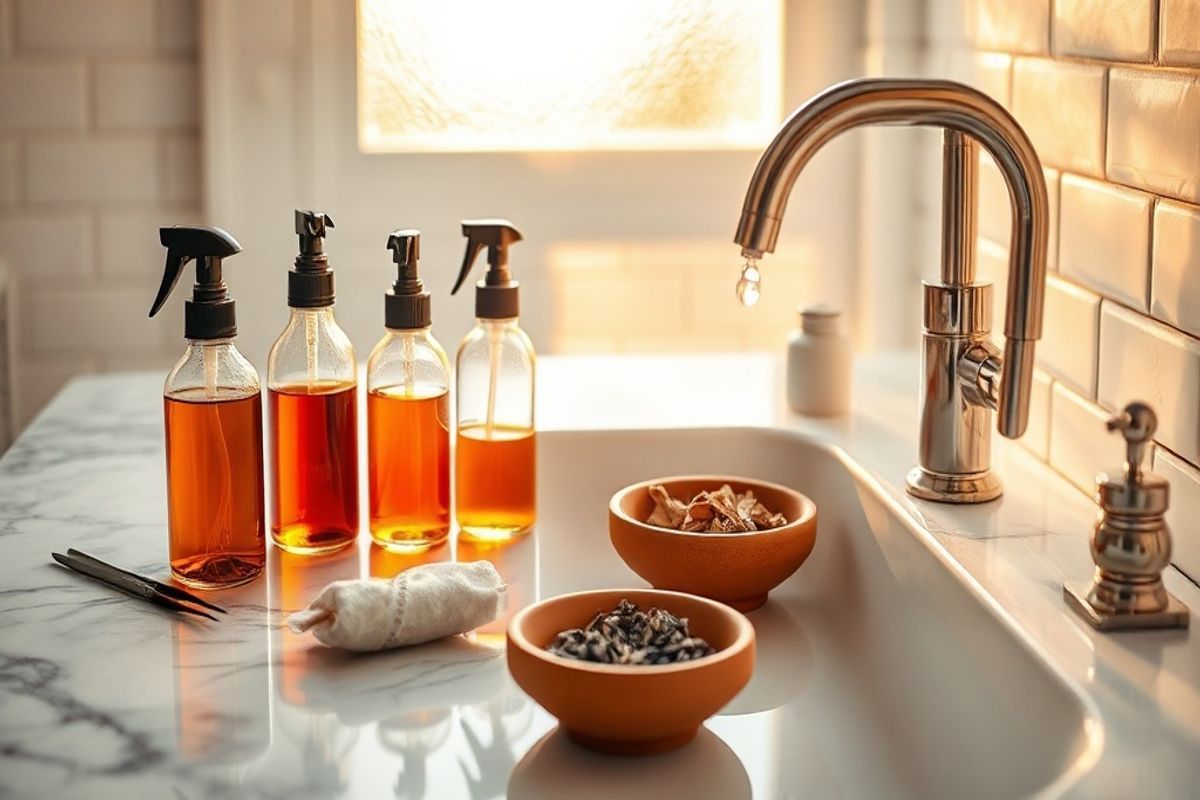
Stepping out of a hot shower only to find your bathroom mirror completely fogged up is one of life’s small frustrations. That misty veil can make it nearly impossible to shave, apply makeup, or even just admire your reflection. While commercial anti-fog products exist, they often contain harsh chemicals and come with a hefty price tag. The good news? You can create your own effective, safe, and budget-friendly anti-fog bathroom mirror spray using just a few household ingredients. This DIY solution is quick to make, easy to use, and works surprisingly well—all while keeping your bathroom eco-friendly and toxin-free.
Materials Needed
Before you start, gather the following supplies. You likely already have most of these at home:
- Distilled water (1 cup) – Tap water can leave mineral deposits and reduce effectiveness.
- Isopropyl alcohol (rubbing alcohol, 70% or higher) (¼ cup) – This helps the spray evaporate quickly and prevents fogging.
- Dish soap (unscented, clear is best) (1 teaspoon) – Creates a thin protective layer that prevents condensation.
- White vinegar (1 tablespoon) – Optional but helps with cleaning the mirror surface and improving adhesion.
- Spray bottle (16 oz, clean and preferably new) – A fine-mist trigger sprayer works best.
- Optional: Essential oils (5–10 drops, such as tea tree or lavender) – For a pleasant scent and mild antibacterial properties.
- Clean microfiber cloth or soft towel – For wiping down the mirror before spraying.
Tip: If you don’t have distilled water, boil tap water and let it cool to reduce mineral content.
Preparation Steps
Step 1: Clean the Mirror Thoroughly
Before applying your anti-fog spray, the mirror must be completely clean. Any dust, soap scum, or residue will interfere with the spray’s effectiveness and may cause streaks.
- Wipe the mirror with a damp microfiber cloth to remove surface dirt.
- Apply a small amount of white vinegar (or glass cleaner) to a cloth and wipe the mirror to remove any streaks or film.
- Dry the mirror completely with a clean, dry microfiber cloth. This ensures a clear surface for the spray to bond to.
Pro tip: Clean your mirror regularly with this method—not just when making the spray—to maintain long-term clarity.
Step 2: Sanitize the Spray Bottle
Cleanliness is key to prevent mold or bacteria growth in your spray.
- Wash the spray bottle with warm, soapy water.
- Rinse thoroughly and allow it to air-dry completely.
- If reusing a bottle that previously held cleaning products, sanitize it with a 1:1 vinegar and water solution, then rinse well.
Assembly
Step 3: Mix the Ingredients
In a clean bowl or directly in the spray bottle, combine the following:
- 1 cup distilled water
- ¼ cup isopropyl alcohol (70% or higher)
- 1 teaspoon dish soap
- 1 tablespoon white vinegar (optional)
- 5–10 drops of essential oil (optional)
Gently stir or shake the mixture to blend the ingredients. Avoid creating too many suds—just a gentle mix is enough.
Step 4: Transfer to Spray Bottle and Shake Well
Carefully pour the mixture into the spray bottle, leaving a little room at the top to allow for shaking.
- Screw the nozzle back on tightly.
- Shake the bottle vigorously for about 30 seconds to ensure all ingredients are fully combined.
Your anti-fog spray is now ready to use!
How to Use Your Anti-Fog Spray
To get the best results:
- Spray the mirror after each shower. Apply 2–3 even sprays across the surface.
- Wipe gently with a clean microfiber cloth. No need to rinse—just buff lightly to spread the solution evenly.
- Let it air-dry. The alcohol will evaporate quickly, leaving a thin, invisible film that prevents fogging.
- Reapply as needed. Most sprays last through one or two showers, depending on bathroom ventilation.
For best performance, always clean the mirror first—even if it doesn’t look dirty. Over time, residue buildup can reduce effectiveness.
Mistakes to Avoid
Even the best DIY solutions can fail if not used correctly. Avoid these common pitfalls:
- Using tap water directly. Minerals in tap water can leave white spots and reduce effectiveness. Always use distilled water.
- Applying too much product. Excess spray can leave residue or streaks. A light mist is all you need.
- Not cleaning the mirror before spraying. Dirt or soap scum acts like a barrier, preventing the anti-fog layer from forming properly.
- Forgetting to reapply. The protective layer wears off with steam and wiping. Reapply after each shower for best results.
- Storing the spray in direct sunlight or heat. This can degrade the alcohol and reduce shelf life. Keep it in a cool, dark place.
Pro Tips
Take your anti-fog solution to the next level with these expert suggestions:
- Test on a small area first. Some mirrors (especially older or coated ones) may react to vinegar or soap. Do a patch test on a corner of the mirror.
- Add a drop of glycerin (1/2 tsp) for extra longevity. Glycerin helps the solution cling longer, extending protection up to several showers.
- Use a labeled bottle. Write “Anti-Fog Spray” and the date made on the bottle. This solution stays effective for about 1–2 months at room temperature.
- Pair with a squeegee. After spraying, use a squeegee to remove excess water and spray in one smooth motion. This reduces fogging dramatically.
- Store a backup bottle in the shower. Keep a small spray bottle in the bathroom for quick touch-ups before getting ready.
- Ventilate your bathroom. Run the exhaust fan or open a window during and after showers to reduce condensation and extend the spray’s effectiveness.
Bonus: This spray works on car windows too! Just avoid using it on tinted windows or plastic surfaces unless tested first.
Safety Note: While this spray is non-toxic, avoid contact with eyes and keep it out of reach of children and pets. If accidental contact occurs, rinse thoroughly with water.
Why This Works
The science behind this anti-fog spray is simple. The isopropyl alcohol evaporates quickly, carrying heat away from the mirror’s surface. The dish soap creates a thin, hydrophilic (water-attracting) layer that spreads condensation evenly instead of allowing droplets to form. The vinegar helps clean and prepare the surface, while the small amount of water ensures the solution spreads smoothly. Together, they create a clear, fog-free reflection every time.
Frequently Asked Questions
Q: How long does the anti-fog effect last?
A: Typically 1–2 showers, depending on bathroom humidity and ventilation. Reapply as needed.
Q: Can I use this on a bathroom window?
A: Yes! It works well on any glass surface prone to fogging, including shower doors and windows.
Q: What if my mirror still fogs?
A: Ensure you’re applying the spray to a clean, dry mirror. Increase ventilation in the bathroom and reapply after each use. If fogging persists, try adding glycerin to the mix.
Q: Is this spray safe on all mirrors?
A: Most standard glass mirrors are safe. Avoid using on antique or decorative mirrors with special coatings unless tested first.
Q: Can I make a larger batch?
A: Yes! Double or triple the recipe, but use a clean, sanitized bottle. Store in a cool, dark place and shake before each use.
Eco-Friendly and Cost-Effective
Not only is this DIY anti-fog spray effective, but it’s also gentle on the planet and your wallet. A single batch costs pennies to make and eliminates the need for single-use wipes or chemical-heavy commercial sprays. Plus, you’re reducing plastic waste by reusing a spray bottle. It’s a small change that adds up to big savings and sustainability.
Say goodbye to the daily fog battle and hello to a clear, confident reflection. With just five minutes and five ingredients, you can transform your bathroom experience—one spray at a time.
Give this simple yet powerful solution a try and enjoy a fog-free mirror every time you step out of the shower.