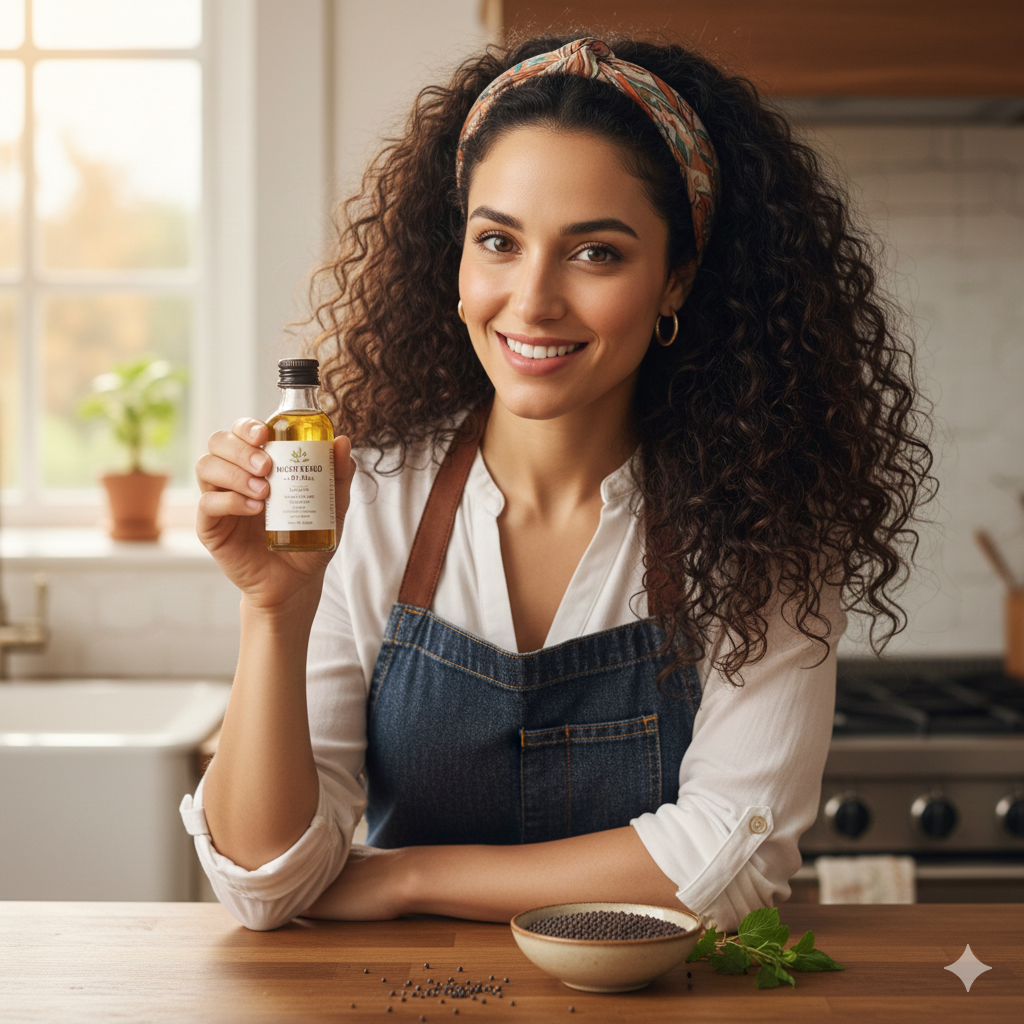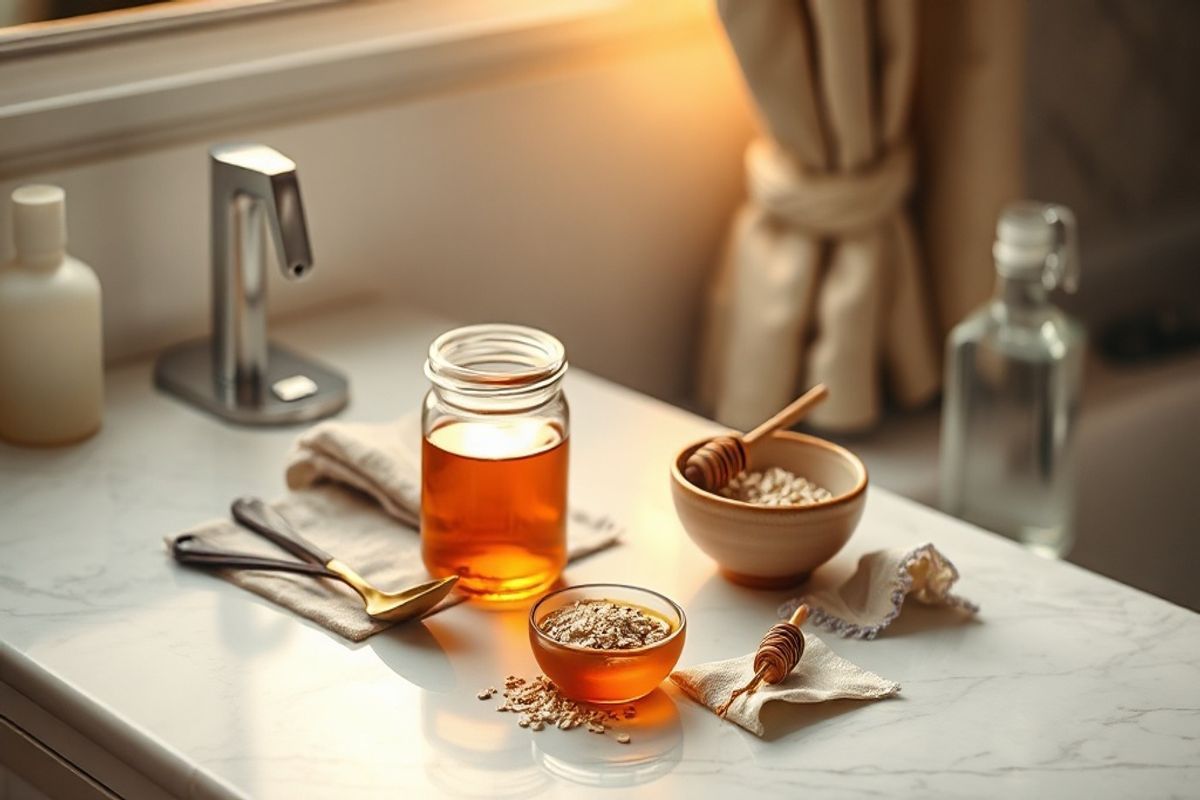
Welcome to HomeReadyHub! Are you searching for a luxury night cream that deeply nourishes and rejuvenates your skin while you sleep? Commercial night creams can be expensive and often contain harsh chemicals. What if you could make your own powerful, all-natural deep regenerating night cream right at home? In this tutorial, we’ll guide you through a simple, effective recipe using wholesome, skin-loving ingredients. By the end, you’ll have a rich, emollient night cream that supports collagen production, repairs damage, and leaves your skin glowing in the morning.
Materials Needed
- 1 tablespoon (15g) beeswax pellets – Forms a protective barrier and adds thickness
- 1 tablespoon (15g) shea butter – Deeply moisturizes, reduces inflammation, and supports skin regeneration
- 1 tablespoon (15g) coconut oil – Hydrates, softens, and has antimicrobial properties
- 1 tablespoon (15g) jojoba oil – Mimics skin’s natural sebum, promoting balance and healing
- 1 teaspoon (5g) rosehip seed oil – Rich in vitamin A and C, boosts collagen and fades scars
- 5 drops lavender essential oil (optional) – Calms the skin, reduces redness, and promotes relaxation
- 3 drops frankincense essential oil (optional) – Enhances skin elasticity and tones mature skin
- Glass jar with lid (100ml or 4 oz) – For storing your cream; glass prevents chemical leaching
- Double boiler or heat-safe bowl and saucepan – For gentle melting
- Hand mixer or small whisk – To emulsify and whip the cream
- Measuring spoons – For accurate ingredient ratios
- Thermometer (optional but helpful) – To monitor oil temperatures for best results
Preparation Steps
Before you begin crafting your night cream, make sure your workspace is clean and sanitized. Sterilize the glass jar and utensils by rinsing them in boiling water or wiping with rubbing alcohol. This helps prevent bacterial contamination and extends the shelf life of your cream.
Step 1: Melt the Base
In a double boiler (or a heat-safe bowl set over a pot of simmering water), combine the beeswax pellets, shea butter, coconut oil, and jojoba oil. Stir gently as the mixture heats. The goal is to melt everything evenly without burning. Heat on low to medium-low. If using a thermometer, aim for about 140°F (60°C) – warm enough to melt but not too hot to degrade the oils.
Beeswax and butters can take a few minutes to fully melt. Be patient and keep stirring to ensure a smooth, consistent base.
Step 2: Cool and Prepare the Oil Phase
Remove the melted mixture from heat and let it cool for about 10–15 minutes, until it reaches approximately 100°F (38°C). This is the ideal temperature for adding the more delicate oils and essential oils without degrading their benefits.
While waiting, measure out the rosehip seed oil, lavender, and frankincense essential oils. Place them in a small bowl or on a clean surface nearby.
AssemblyStep 3: Emulsify and Whip
Once the base has cooled to around 100°F (38°C), carefully add the rosehip seed oil. Then, add the essential oils. Whisk gently at first to blend, then use a hand mixer on low speed to emulsify and whip the mixture. This step is crucial – it transforms the oil blend into a light, creamy texture similar to traditional night cream.
Whip for 3–5 minutes until the mixture becomes opaque and fluffy, like a soft buttercream frosting. You’ll notice the volume increase slightly as air is incorporated – this lightens the texture and makes it easier to apply.
Step 4: Transfer to Jar and Set
Quickly pour the whipped cream into your sterilized glass jar. Smooth the top with a clean spatula. Let the cream cool and set at room temperature for 1–2 hours, or refrigerate for 30 minutes to speed up the process. As it cools, the texture will firm up into a rich, spreadable night cream.
Once fully set, close the jar with the lid and store it in a cool, dark place. Your cream will last for about 3–4 months, especially since it’s preservative-free. If you notice any separation or off smells, discard it immediately.
Mistakes to Avoid
- Overheating the oils – Keep temperatures below 160°F (71°C) to preserve the beneficial properties of the oils and essential oils.
- Adding essential oils while too hot – High heat can alter their chemical structure and reduce their therapeutic benefits.
- Skipping the cooling step – Adding oils to a hot mixture can cause separation and reduce shelf life.
- Using non-sterilized containers – Bacteria can grow in unsterilized jars, shortening the cream’s lifespan and risking skin irritation.
- Overfilling the jar – Leave about 1/4 inch of space at the top to prevent spillage and allow for expansion during cooling.
Pro Tips
For an extra-boosting version of your night cream, consider these expert enhancements:
- Add 1 teaspoon of aloe vera gel – Soothes and hydrates, especially for sensitive or irritated skin. Add it after whipping, just before setting.
- Include 1/2 teaspoon of vitamin E oil – A powerful antioxidant that protects skin cells and promotes healing. Add it with the essential oils.
- Adjust the beeswax amount – If you prefer a thicker cream, increase beeswax to 1.5 tablespoons. For a lighter lotion, reduce it to 0.5 tablespoons.
- Use a dropper bottle for essential oils – Ensures precise, easy dosing of concentrated oils.
- Patch test first – Apply a small amount of the cream to your inner arm 24 hours before full use to check for allergic reactions, especially if using essential oils.
- Store in the fridge during hot weather – Extends freshness and gives a cooling sensation when applied.
For mature skin, adding 5 drops of carrot seed oil can enhance elasticity. For acne-prone skin, reduce or omit coconut oil and use grapeseed oil instead for a lighter feel.
Who Should Use This Cream?
This deep regenerating night cream is ideal for:
- Dry or dehydrated skin needing intense moisture
- Mature skin wanting to reduce fine lines and improve elasticity
- Dull skin looking for a radiant morning glow
- Sensitive skin seeking soothing, natural ingredients
- Anyone who values clean, non-toxic skincare
It’s not recommended for those with known allergies to beeswax, nuts (jojoba and rosehip are seed oils, but cross-reactivity can occur), or essential oils.
Always consult with a dermatologist if you have eczema, rosacea, or severe skin conditions before trying new products.
Final Thoughts
Creating your own deep regenerating night cream is not only cost-effective but also empowering. You gain full control over what touches your skin, avoiding synthetic fragrances, parabens, and other irritants found in many commercial products. Plus, the ritual of applying a homemade cream can become a nurturing part of your evening self-care routine.
In just a few simple steps, you’ve crafted a luxurious night cream that works while you rest. Wake up to softer, smoother, and more radiant skin – all from ingredients you can trust. Try this recipe tonight and let your skin drink in the nourishment it deserves.
We’d love to hear about your experience! Share your results with us on Instagram using #HomeReadyHubCream. Happy creating, and sleep well!