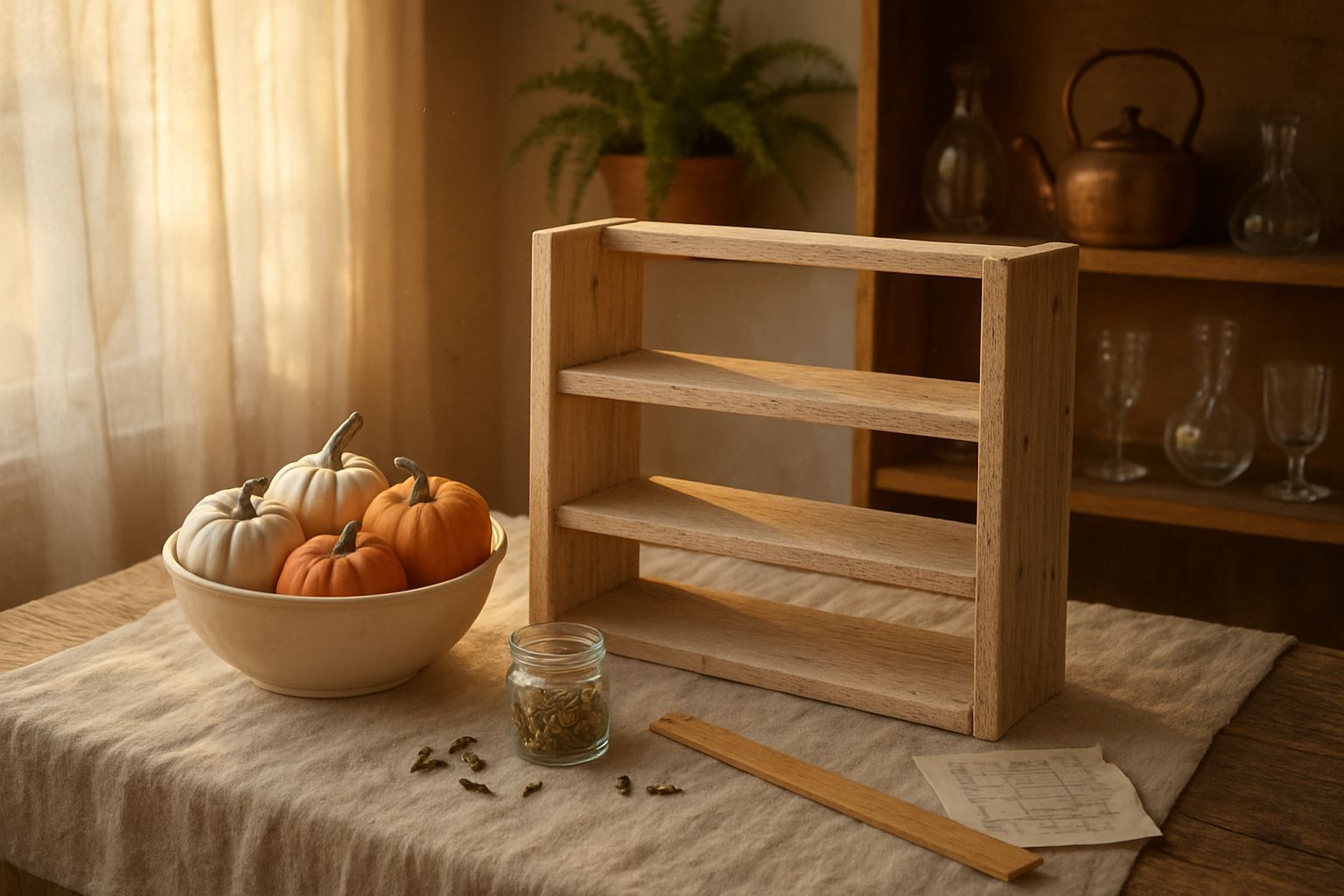
As the leaves begin to turn vibrant shades and a crisp chill fills the air, there’s one harbinger of autumn that brings warmth and charm to every home: the pumpkin! Whether you're decorating for Halloween, Thanksgiving, or simply celebrating the bountiful harvest season, pumpkins are undeniable stars. But let's be honest – a collection of pumpkins can quickly take over valuable floor space, or worse, become a rolling hazard on a tabletop. What if you could elevate your pumpkin display, quite literally, with a custom-built, sturdy wooden shelf support? Imagine a beautifully organized, multi-tiered showcase that highlights each unique gourd, transforming your space into an autumnal wonderland.
Here at HomeReadyHub, we believe in empowering you to create functional beauty in your home. That's why I, Sara, am thrilled to guide you through building your very own pumpkin shelf wood support. This isn't just about creating a place for your pumpkins; it's about crafting a piece of furniture that's both practical and aesthetically pleasing, a testament to your DIY spirit. A custom shelf offers superior stability, allows for creative arrangements, and can be tailored to fit any space or decor style. Plus, the satisfaction of building something with your own hands is a reward in itself! In this comprehensive tutorial, we'll cover everything from planning and material selection to cutting, assembly, and those all-important finishing touches. Let's grab our tools and get ready to build a stunning stage for your autumn treasures!
Materials Needed
- Lumber:
- (4) 2x2 or 2x4 boards for vertical supports (length determined by desired shelf height)
- (Multiple) 1x4 or 1x6 boards for horizontal shelf supports (length determined by desired shelf width)
- (Multiple) 1x10 or 1x12 boards for the actual shelves (length determined by desired shelf width and depth)
- *Tip: Pine or common board is a good, affordable choice for this project. Consider reclaimed wood for a rustic look!
- Fasteners & Adhesives:
- 2.5-inch wood screws (for structural joints)
- 1.25-inch wood screws (for attaching shelf boards)
- Wood glue (waterproof if using outdoors)
- Optional: L-brackets for extra reinforcement
- Tools:
- Measuring tape
- Pencil
- Speed square or combination square
- Miter saw (recommended for accurate cuts, or circular saw/hand saw)
- Electric drill/driver with drill bits (for pilot holes) and driver bits
- Orbital sander or sandpaper (various grits: 80, 120, 220)
- Clamps (bar clamps or C-clamps are invaluable)
- Level
- Safety glasses
- Work gloves
- Optional: Kreg Jig (for pocket holes)
- Finishing Supplies:
- Wood stain, paint, or clear protective finish (polyurethane, spar urethane for outdoor use)
- Brushes or rags for application
- Drop cloth
Preparation Steps
Step 1: Planning Your Pumpkin Paradise
Before any wood is cut, meticulous planning is key to a successful and satisfying build. Start by determining the ideal location for your pumpkin shelf. Will it be a freestanding unit, or will it be mounted against a wall? This decision will influence the structural design. Next, consider the dimensions. How tall do you want it to be? How wide will it stretch, and how deep should the shelves be to comfortably hold your pumpkins without them teetering on the edge? Remember to account for the size of your pumpkins – a shelf designed for mini gourds will differ significantly from one intended for prize-winning behemoths. Sketch out a detailed design, including the number of shelves you desire and the spacing between them. A good rule of thumb is to allow enough vertical clearance for your largest pumpkin plus a few inches for easy placement and removal. Once you have a clear vision, create a comprehensive cut list, noting the exact length and quantity for each piece of lumber. This step might seem tedious, but it will save you time, frustration, and costly mistakes down the line.
Step 2: Precision Cutting and Prepping Your Lumber
With your cut list in hand, it's time to transform raw lumber into the components of your pumpkin shelf. Always prioritize safety: wear your safety glasses and ensure your workspace is clear and well-lit. Using your measuring tape and pencil, carefully mark each board according to your cut list. A speed square will help you draw perfectly straight and square lines, crucial for tight-fitting joints. If using a miter saw, set it to 90 degrees and make precise cuts. For those using a circular saw or hand saw, take your time and use a straight edge guide for accuracy. Cut all your vertical supports, horizontal shelf supports, and the actual shelf boards. Once all pieces are cut, it’s time for sanding. This step is vital for both aesthetics and safety. Begin with 80-grit sandpaper to remove any rough edges, splinters, or mill marks, then move to 120-grit for smoothing, and finally 220-grit for a silky-smooth finish. Pay particular attention to all edges and surfaces that will be visible or handled. Sanding not only makes the wood pleasant to touch but also prepares it beautifully for staining or painting.
Assembly
Step 3: Building the Robust Framework
Now for the exciting part – bringing your design to life! Lay out your vertical support boards on a flat, level surface. These will form the main uprights of your shelf. Next, mark the exact locations where your horizontal shelf supports will attach. Use your measuring tape and speed square to ensure these marks are consistent on all vertical pieces, guaranteeing level shelves. Apply a generous bead of wood glue to the ends of a horizontal support piece and position it between two vertical supports at your marked location. Immediately secure it with 2.5-inch wood screws, driving them through the vertical support into the end of the horizontal piece. Predrilling pilot holes is highly recommended to prevent wood splitting, especially near the ends of boards. Use clamps to hold the pieces firmly in place while you drill and drive screws. Repeat this process for all horizontal supports on one side frame, then assemble the second side frame in the same manner. Once both side frames are complete, connect them using additional horizontal supports at the top, bottom, and back (if it's a freestanding unit) to create a sturdy, rectangular prism. Continuously check for squareness with your speed square and levelness with your level as you go; minor adjustments now will prevent major headaches later. For extremely heavy loads, consider adding L-brackets to the inside corners of your shelf supports for extra reinforcement.
Step 4: Attaching the Shelves and Finishing Touches
With your main framework securely assembled, it's time to add the actual shelf boards. Place each pre-cut shelf board onto its corresponding horizontal supports. Ensure it is flush with the front and sides of the frame. You can either secure the shelves by driving 1.25-inch wood screws from the top down into the horizontal supports (a visible but strong method) or, for a cleaner look, drive screws up from the underside of the horizontal supports into the shelf board. Apply wood glue before screwing for maximum strength. Once all shelves are attached, give the entire unit one last check with your level. If your shelf is designed to be wall-mounted, now is the time to secure it. Locate wall studs using a stud finder and drive long, appropriate screws (e.g., 3-inch construction screws) through the back of your shelf's vertical supports directly into the studs. This is critical for safety and stability, especially with the weight of multiple pumpkins.
Finally, it's time for the finishing touches! This is where you can truly personalize your pumpkin shelf. Apply your chosen wood stain, paint, or clear protective finish according to the manufacturer's instructions. If staining, wipe away excess for an even coat. If painting, apply thin, even coats. Allow ample drying time between coats and before applying a topcoat like polyurethane, which will protect the wood and make it easy to clean. If your shelf will be outdoors, use a marine-grade spar urethane for superior weather resistance. Once completely dry, your pumpkin shelf is ready for its grand debut! You might consider adding small felt pads to the bottom of your pumpkins to prevent scratching the new finish, or even a thin non-slip mat on the shelves.
Mistakes to Avoid
- Inaccurate Measurements: The age-old adage, “measure twice, cut once,” is paramount. Even a slight mismeasurement can throw off the entire project, leading to wobbly shelves or unsightly gaps.
- Skipping Pilot Holes: Driving screws directly into wood, especially near ends or in hardwoods, can cause splitting. Always predrill pilot holes slightly smaller than the screw's diameter.
- Neglecting Wood Glue: Screws provide clamping force, but wood glue creates a much stronger, more rigid joint. Always use glue in conjunction with screws for structural integrity.
- Ignoring Squareness and Levelness: Constantly check with a speed square and level during assembly. A leaning or uneven shelf will not only look bad but also be unstable.
- Underestimating Pumpkin Weight: Pumpkins, especially larger ones, can be surprisingly heavy. Ensure your chosen lumber dimensions and fastening methods are robust enough to support the anticipated load.
- Over-Tightening Screws: This can strip the wood or the screw head, compromising the joint's strength and making future disassembly difficult. Tighten until snug, then give a quarter turn.
- Skipping Sanding: Rough wood is prone to splinters and doesn't take finishes well. Thorough sanding is crucial for a professional and safe result.
- Inadequate Wall Anchoring: If wall-mounted, never rely on drywall anchors alone for heavy items like a pumpkin shelf. Always locate and secure into wall studs.
- Rushing Drying Times: Whether it's wood glue or a finish, allowing proper drying and curing time is essential for maximum strength and durability.
Pro Tips
- Pocket Holes for a Clean Look: If you own a Kreg Jig, use pocket holes to create strong, concealed joints. This is particularly effective for attaching horizontal supports to vertical ones, resulting in a cleaner, screw-free visible surface.
- Use Clamps Generously: Clamps are your best friends during assembly. They hold pieces firmly in place, allowing glue to set and ensuring screws are driven straight without shifting.
- Consider Adjustable Shelves: For ultimate versatility, incorporate shelf pins and pre-drilled holes in your vertical supports. This allows you to adjust shelf height to accommodate different sized pumpkins or change your display year after year.
- Add a Lip or Edge: To prevent pumpkins from accidentally rolling off, consider adding a small decorative trim or a thin strip of wood along the front edge of each shelf.
- Test Stability Before Loading: Before placing your precious pumpkins, do a weight test. Place some heavy books or bags of sand on the shelves to ensure the unit is stable and can handle the load.
- Moisture-Resistant Finish for Outdoors: If your pumpkin shelf will live on a porch or outdoor patio, invest in a spar urethane or exterior-grade paint to protect it from the elements.
- Embrace a Tiered Design: For added visual interest, vary the depth or width of your shelves, creating a tiered effect that draws the eye and allows for more dynamic arrangements.
- Router Edges: For a more refined, finished look, use a router with a round-over or chamfer bit on the visible edges of your shelves and supports before sanding and finishing.
- Personalize with Stencils or Carvings: Once the finish is dry, consider adding stenciled autumn motifs or even wood-burned designs to the vertical supports for a truly unique piece.
There you have it – a robust, beautiful, and entirely custom wooden shelf support for your cherished autumn pumpkins! Building this project yourself not only saves you money but also gives you complete control over the design, ensuring it perfectly complements your home and your collection of gourds. From the satisfaction of seeing your design come to life to the joy of displaying your pumpkins in a charming and organized fashion, this DIY endeavor is truly rewarding. So, gather your tools, embrace the spirit of the season, and create a pumpkin display that will be the envy of the neighborhood. We at HomeReadyHub can't wait to see your creations! Share your finished pumpkin shelves with us on social media using #HomeReadyHubDIY and #PumpkinShelf.