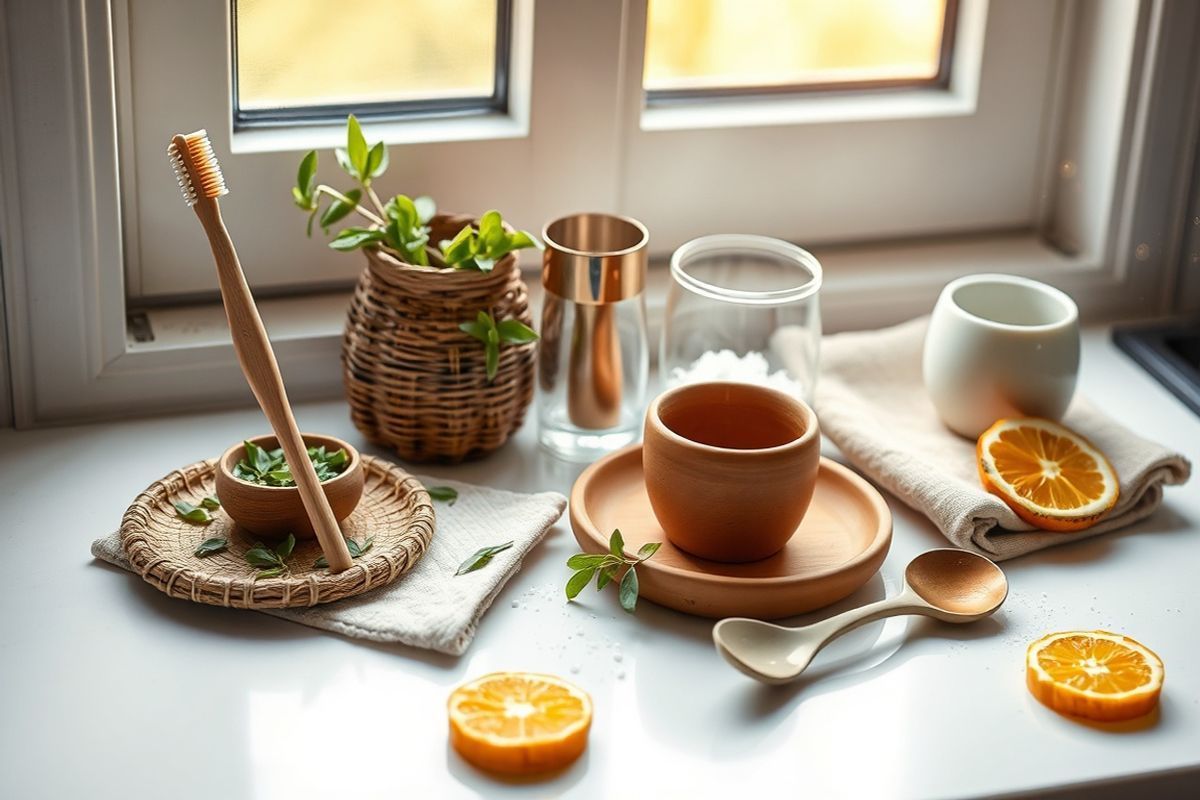
Hello, HomeReadyHub family! Sara here, ready to dive into a small change with a massive impact on our planet. We’re talking about something we use at least twice a day, every single day of our lives: the humble toothbrush. For decades, plastic toothbrushes have been a staple in our bathrooms, silently contributing to the colossal plastic waste crisis. Billions of them end up in landfills or polluting our oceans each year, taking hundreds of years to decompose. But what if I told you there’s a simple, effective, and stylish alternative that’s kind to both your teeth and the Earth? Enter the compostable bamboo toothbrush.
Making the switch to a bamboo toothbrush is more than just a trend; it’s a conscious step towards a more sustainable lifestyle. These eco-friendly brushes offer the same cleaning power as their plastic counterparts, often with a more comfortable feel, all while being made from one of the most sustainable resources on the planet: bamboo. In this comprehensive tutorial, we’ll walk you through everything you need to know, from selecting the perfect brush and mastering its use to ensuring its proper, eco-conscious disposal. Get ready to transform your oral hygiene routine into a truly green endeavor!
Materials Needed
- **Compostable Bamboo Toothbrush:** The star of our show! Ensure it’s clearly labeled as biodegradable or compostable, paying attention to bristle materials.
- **Your Favorite Toothpaste:** Consider pairing your bamboo brush with an eco-friendly toothpaste, such as those in tablet form, plastic-free tubes, or glass jars, to further reduce your environmental footprint.
- **Dry Toothbrush Holder or Stand:** Essential for proper drying and hygiene, keeping your bamboo brush elevated and airy. Avoid enclosed containers that trap moisture.
- **Access to a Compost Bin or Facility:** Whether it’s a home compost pile, a municipal composting service, or an industrial composting facility, knowing where your brush will go after its life cycle is key.
- **Small Pliers or Tweezers (Optional):** Useful if your bamboo toothbrush has non-compostable bristles that need to be removed before composting the handle.
Preparation Steps
Step 1: Choosing the Right Bamboo Toothbrush for You
Not all bamboo toothbrushes are created equal, and making an informed choice is the first step towards a truly sustainable smile. When you’re ready to buy, consider these factors:
-
Bristle Material: This is crucial. While the handle is almost always bamboo, bristles can vary. Look for bristles made from plant-based materials like castor bean oil or corn starch, as these are generally the most compostable. Some brushes use Nylon-6 or Nylon-610 bristles, which are still a step up from plastic handles but are not biodegradable and will need to be removed before composting the handle. Activated charcoal-infused bristles are popular for their purported whitening benefits, but their base material still needs to be checked for compostability.
-
Bamboo Type: Most eco-friendly toothbrushes are made from Moso bamboo, a species that pandas don't eat, ensuring no impact on their food source. It's also incredibly fast-growing and requires no pesticides or fertilizers, making it a highly sustainable resource.
-
Ergonomics and Feel: A toothbrush should feel comfortable in your hand. While most bamboo handles are naturally smooth and ergonomic, some brands offer different shapes and sizes. Read reviews or try a few brands to find your perfect fit. The texture will feel different from plastic, but most users quickly adapt and even prefer the natural feel.
-
Packaging: A truly eco-conscious product extends to its packaging. Opt for toothbrushes that come in minimal, recyclable, or compostable packaging, free from plastic wraps or unnecessary cardboard.
-
Certifications: Look for certifications like BPA-free, vegan, cruelty-free, or even FSC (Forest Stewardship Council) certification, which ensures the bamboo is sourced from responsibly managed forests. These labels indicate a brand's commitment to ethical and sustainable practices.
Step 2: Initial Setup and Care for Longevity
Once you’ve chosen your perfect bamboo toothbrush, a little preparation and understanding of its unique needs will ensure it lasts its full lifespan and remains hygienic:
-
Unboxing and Inspection: Carefully unbox your new brush. Give it a quick visual inspection to ensure there are no splinters or defects. The handle should be smooth and the bristles securely fastened.
-
First Rinse: Before its inaugural use, give your bamboo toothbrush a thorough rinse under warm running water. This washes away any lingering dust from manufacturing and prepares the bristles.
-
Proper Storage is Key: This is perhaps the most critical step for bamboo toothbrush care. Unlike plastic, bamboo is a natural material susceptible to mold if left in damp conditions. After each use, rinse your brush thoroughly and store it upright in a dry, well-ventilated area. A toothbrush holder that allows air circulation around the handle is ideal. Avoid leaving it in a cup where water can collect at the base, or in an enclosed travel case for extended periods. The goal is to allow it to air dry completely between uses.
-
Understanding the Feel: The first few brushes might feel slightly different from a plastic brush. The handle might feel more substantial and natural, and the bristles, depending on their material, might have a unique texture. Give yourself a few days to adjust; you'll likely grow to love the natural feel!
Assembly
Step 3: Mastering Your Brushing Technique with Bamboo
Using a bamboo toothbrush is fundamentally the same as using a plastic one, but with a few mindful considerations to maximize its effectiveness and longevity, while being gentle on your teeth and gums:
-
Apply Toothpaste Gently: Squeeze a pea-sized amount of your chosen toothpaste onto the bristles. If using toothpaste tablets, chew one until it forms a paste, then begin brushing.
-
Angle and Pressure: Hold the toothbrush at a 45-degree angle to your gums. Use gentle, short, back-and-forth strokes, ensuring you clean all surfaces of your teeth – outer, inner, and chewing surfaces. Avoid aggressive scrubbing, as this can damage your gums and wear down bristles prematurely, regardless of the toothbrush type. The bamboo handle provides a good grip, encouraging a comfortable and controlled brushing motion.
-
Don't Forget Your Tongue: Gently brush your tongue from back to front to remove bacteria and freshen your breath. The smooth bamboo handle makes this comfortable.
-
Rinse and Store: After brushing for the recommended two minutes, rinse your mouth and the toothbrush thoroughly under running water. Shake off excess water and place it upright in its dry holder, away from standing water or damp surfaces. Allowing it to air dry completely is paramount to prevent mold growth on the bamboo handle.
-
Frequency: Continue to brush twice a day, every day, as recommended by dental professionals. Consistency is key for optimal oral health.
Step 4: Proper Disposal and Composting of Your Bamboo Toothbrush
This is where the bamboo toothbrush truly shines, offering an end-of-life solution that plastic simply cannot match. When it's time to replace your brush (dentists recommend every 3 months, or sooner if the bristles fray significantly), follow these steps:
-
Bristle Removal (If Necessary): If your toothbrush has non-compostable bristles (like Nylon-6 or Nylon-610), you’ll need to remove them before composting the handle. Use a pair of pliers to carefully pull out the tufts of bristles. These small pieces can then be collected and sent to specialized recycling programs (if available in your area for small plastics) or, unfortunately, disposed of with general waste if no other option exists. This step is crucial for true compostability.
-
Composting the Bamboo Handle: Once the bristles are removed (or if your bristles are 100% plant-based and compostable), the bamboo handle is ready for composting! Break the handle into smaller pieces if desired, as this can speed up the decomposition process. Place it in your home compost bin, a municipal green waste bin, or an industrial composting facility. Bamboo is a natural material and will break down into nutrient-rich soil within 4-6 months in an active compost pile, much like any other organic matter.
-
Upcycling Ideas: Before composting, consider giving your old bamboo handle a second life! They make excellent garden markers for seedlings, small cleaning brushes for tight spaces, or even craft supplies for children's projects. Just ensure they are thoroughly cleaned before repurposing.
Mistakes to Avoid
- **Leaving it Wet:** The number one mistake! Constant moisture will lead to mold growth and shorten your brush's lifespan. Always air dry.
- **Assuming All Bristles are Compostable:** Always check the bristle material. Many are still nylon and need to be removed before composting the handle.
- **Aggressive Brushing:** While not unique to bamboo, aggressive brushing can damage gums and wear down bristles faster, regardless of material.
- **Throwing it in General Waste:** This defeats the purpose! Make the effort to remove bristles and compost the handle.
- **Not Replacing on Time:** Just like plastic brushes, bamboo brushes need to be replaced every 3 months or when bristles fray to maintain oral hygiene.
- **Ignoring Packaging:** Opting for a bamboo brush but buying one wrapped in excessive plastic undermines the sustainable effort.
Pro Tips
- **Invest in a Good Holder:** A well-ventilated, open-air toothbrush holder is your bamboo brush's best friend. Look for ceramic, metal, or even another bamboo holder.
- **Travel Smart:** For travel, opt for a breathable bamboo or metal travel case. Avoid plastic cases that trap moisture. Ensure your brush is completely dry before packing it away.
- **Buy in Bulk (Wisely):** If you find a brand you love with truly compostable options, consider buying a multi-pack. This often reduces packaging waste and ensures you always have a replacement ready.
- **Repurpose Old Handles:** Before composting, consider using the clean handle for small household cleaning tasks, stirring paint, or as plant markers in your garden.
- **Pair with Eco-Friendly Dental Products:** Enhance your sustainable routine by using toothpaste tablets, plastic-free floss, and mouthwash in reusable containers.
- **Educate Others:** Share your knowledge! Encourage friends and family to make the switch by explaining the benefits and ease of use.
- **Check Local Composting:** If you're unsure about composting bristles or the handle, check with your local municipal composting facility or a private composting service for their specific guidelines.
Making the switch to a compostable bamboo toothbrush is a small change that brings significant environmental benefits. By choosing wisely, caring for your brush properly, and ensuring its responsible disposal, you're not only maintaining excellent oral hygiene but also actively participating in reducing plastic waste and supporting a healthier planet. Every single bamboo toothbrush you use instead of a plastic one contributes to a cleaner future, one smile at a time.
At HomeReadyHub, we believe that sustainable living is achievable through conscious choices, and your toothbrush is a fantastic place to start. So, go ahead, brush up your eco-game, and enjoy the satisfaction of a clean mouth and a cleaner conscience. Happy brushing!